
Last Updated on February 18, 2026 by Rachel Bennett
Are you unsure about how much dishwasher detergent to use each time you run your machine? Using too little might leave your dishes dirty, while too much can cause excess suds and even damage your dishwasher.
Getting the right amount is easier than you think, and it can save you money and keep your dishes sparkling clean. Keep reading to discover simple tips that will help you use just the right amount of detergent every time.
Your dishwasher—and your dishes—will thank you!
Choosing The Right Detergent
Choosing the right dishwasher detergent can make a huge difference in how clean your dishes come out—and how much detergent you actually need to use. Not every detergent works the same way, and understanding the options helps you avoid waste or poor results. Let’s look at the main types of dishwasher detergents so you can pick what fits your routine and dishwasher best.
Types Of Dishwasher Detergents
Dishwasher detergents come in three main forms: powder, gel, and pods. Each has unique features that affect how you measure and use them.
- Powder:Offers flexibility in dosing. You can add more or less depending on how dirty your dishes are. It’s usually the most affordable option.
- Gel:Dissolves quickly and works well in shorter wash cycles. It’s easier to pour than powder but can sometimes leave residue if overused.
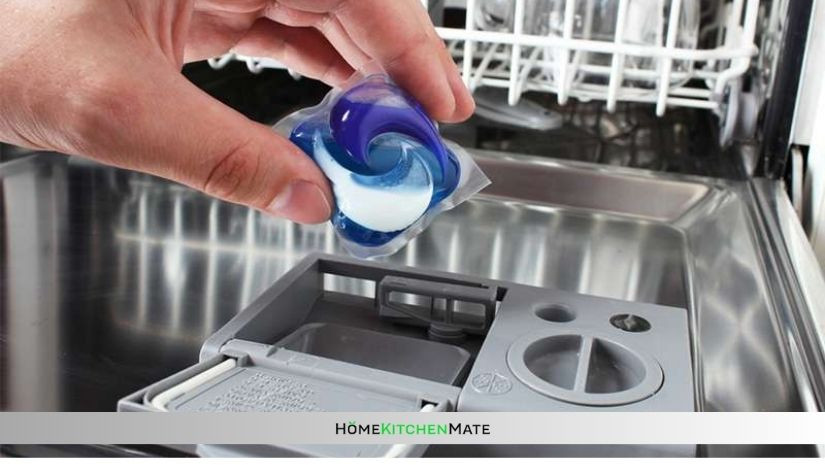
- Pods:Pre-measured and convenient. They reduce guesswork but offer less control over the amount of detergent used.
Think about your dishwasher’s cycle length and water hardness. These factors affect which detergent type will give you the best clean without overusing product.
Powder Vs. Gel Vs. Pods
| Detergent Type | Pros | Cons | Best Use |
|---|---|---|---|
| Powder | Adjustable amount, cost-effective, long shelf life | Can clump if exposed to moisture, may leave residue if used excessively | Heavily soiled loads, hard water areas |
| Gel | Dissolves quickly, easy to use, gentle on dishes | Can leave streaks if overused, usually pricier than powder | Light to medium loads, short wash cycles |
| Pods | Convenient, no measuring needed, mess-free | Less flexibility in dosing, often most expensive per load | Everyday loads, busy households |
Have you ever struggled with cloudy glassware or leftover food bits? The detergent you choose might be the reason. Matching detergent type to your dishwashing habits can save you time, money, and frustration.
Measuring The Correct Amount
Measuring the correct amount of dishwasher detergent is key for clean dishes and a well-functioning appliance. Too much detergent can leave residue, while too little won’t clean properly. Finding the right balance keeps dishes spotless and your dishwasher efficient. Follow simple guidelines and consider key factors to get it right every time.
Recommended Dosage Guidelines
Dishwasher detergent packaging usually shows the recommended amount. This amount varies by detergent type and dishwasher model. Use these general rules:
- For powder detergent, use about 1 to 2 tablespoons per load.
- For gel detergent, fill the dispenser to the marked line.
- For detergent pods, use one pod per regular load.
Check your dishwasher manual for specific instructions. Adjust slightly if your dishes are very dirty or lightly soiled.
Factors Affecting Detergent Use
Several factors affect how much detergent you need. Water hardness is a major one. Hard water requires more detergent to clean well. Soft water needs less detergent to avoid residue.
The size of the load also matters. Larger loads may need a bit more detergent. Avoid overloading the dishwasher, as this reduces cleaning power.
Type of detergent impacts dosage too. Pods contain pre-measured amounts. Powder and gel allow more control over how much you use.
Tips For Optimal Cleaning
Getting the right amount of dishwasher detergent is just the beginning. How you load your dishwasher and avoid common mistakes can make a huge difference in how clean your dishes come out. Let’s dive into some practical tips that can help you get the most out of your dishwasher detergent and leave your dishes sparkling.
Loading The Dishwasher Properly
How you place your dishes can impact cleaning power more than you might think. Avoid overcrowding; dishes need space for water and detergent to reach every surface. Make sure plates and bowls face the spray arms, not each other, so water can flow freely.
Place larger items like pots and pans on the bottom rack. Cups and glasses belong on the top rack to prevent damage and ensure thorough cleaning. Also, avoid nesting items like bowls inside one another, which blocks detergent from reaching all surfaces.
Have you noticed your utensils still have food stuck on them? Try mixing up how you load them—some facing up, some down—to prevent them from sticking together and improve cleaning.
Avoiding Common Mistakes
Using too much detergent doesn’t mean cleaner dishes; in fact, it can leave residue or cause buildup inside your dishwasher. Stick to the detergent amount recommended by the manufacturer for your water hardness level.
Don’t rinse dishes completely before loading. A quick scrape is enough since the detergent needs some food particles to work effectively. Over-rinsing washes away enzymes that help break down grime.
Check your dishwasher’s spray arms regularly. Blocked or broken arms reduce cleaning efficiency. Also, don’t forget to clean the filter often to avoid unpleasant smells and poor water drainage.
What’s one habit you could change today to improve your dishwashing results?
Frequently Asked Questions
How Much Dishwasher Detergent Should I Use Per Load?
Use about one tablespoon of detergent per regular load for best cleaning results.
Can Using Too Much Detergent Harm My Dishwasher?
Yes, excess detergent can cause soap buildup and damage your dishwasher over time.
Does Water Hardness Affect Dishwasher Detergent Amount?
Hard water needs a bit more detergent to clean dishes effectively.
Is It Okay To Use Less Detergent For Small Loads?
Yes, use less detergent for smaller loads to avoid leftover soap on dishes.
Should I Adjust Detergent Amount For Heavily Soiled Dishes?
Heavily soiled dishes may need a little extra detergent for thorough cleaning.
What Happens If I Use Too Little Dishwasher Detergent?
Using too little detergent can leave dishes dirty and cause spots or film.
Conclusion
Using the right amount of dishwasher detergent saves money and keeps dishes clean. Too much soap can leave spots and damage your machine. Too little soap may not clean well. Always follow the detergent package instructions for best results. Adjust the amount based on water hardness and load size.
Small changes make a big difference in washing quality. Clean dishes, happy kitchen. Simple steps lead to better dishwashing every time.

Rachel Bennett is a passionate home cook, kitchen enthusiast, and the voice behind Home Kitchen Mate. With years of hands-on experience experimenting in the kitchen, she blends creativity and practicality to make cooking easier and more enjoyable for everyone.


