
Last Updated on February 18, 2026 by Rachel Bennett
You just installed a new refrigerator filter, but now you’re wondering—how much water should you actually run through it before using it? This simple step can make a big difference in the taste and safety of your drinking water.
If you skip it or don’t do it right, you might end up with strange tastes or even impurities in your water. Don’t worry—this guide will tell you exactly what to do, why it matters, and how to get the best results from your new filter.
Keep reading to make sure your water is as fresh and clean as it should be.
Importance Of Flushing New Filters
Flushing a new refrigerator filter is essential for clean and fresh water. The process removes unwanted particles left from manufacturing. It also improves the overall water quality. Skipping this step can lead to poor taste and reduced filter performance.
Removing Manufacturing Residue
New filters contain small particles from the factory. These residues can clog the filter and affect water flow. Running water through the filter flushes out these leftovers. It clears the filter pathways and prepares it for use. This step helps the filter work efficiently from the start.
Improving Water Taste And Quality
Flushing removes carbon dust and other impurities inside the filter. These can cause strange tastes or odors in water. Running several gallons of water cleans out these elements. The result is fresher, cleaner-tasting water. Flushing also helps the filter trap harmful contaminants better. This ensures safer drinking water for your family.
Recommended Water Volume For Flushing
Flushing a new refrigerator filter is important before use. It helps clear out any loose carbon particles and impurities. The right amount of water ensures clean, fresh-tasting water and ice. Knowing how much water to run through the filter prevents wasted water and protects the filter’s life.
Manufacturer Guidelines
Most refrigerator filter makers suggest a specific water volume to flush. This amount varies by brand and model. Common recommendations range from 2 to 5 gallons. Check the user manual or product packaging for exact instructions. Following these guidelines keeps your filter working well. It also helps maintain water quality and taste.
General Flushing Amounts
If you cannot find manufacturer details, use general flushing amounts. Running 2 to 3 gallons of water is usually enough. This volume clears out manufacturing debris and dust. You can measure this by timing the water flow or using a container. Running water slowly helps flush the filter thoroughly. Avoid running too little water to prevent poor water quality.
Step-by-step Flushing Process
Flushing a new refrigerator filter is essential to ensure clean and fresh water. This process removes any loose carbon particles and activates the filter fully. Follow these simple steps to flush your filter properly and enjoy better water quality.
Preparing The Refrigerator
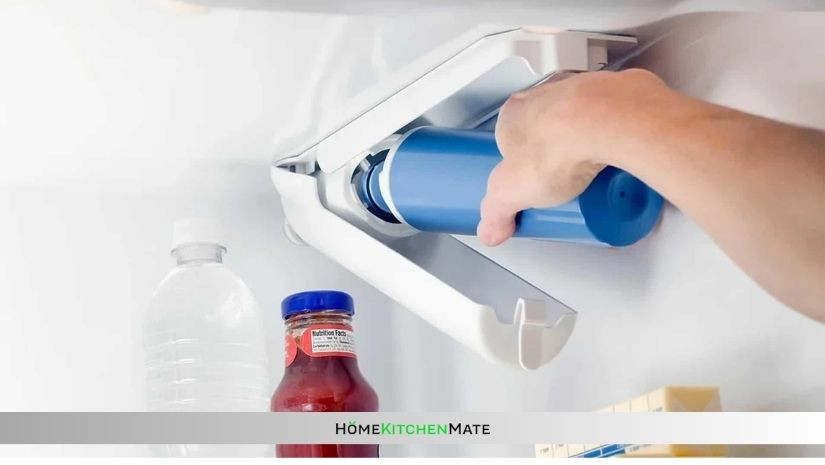
First, turn off the ice maker and water dispenser. This prevents water flow while installing the new filter. Open the refrigerator door and locate the filter compartment. Remove the old filter carefully. Insert the new filter firmly until it clicks into place.
Close the filter cover and the refrigerator door. Make sure the water supply valve is fully open. This allows water to flow freely through the new filter.
Running Water Through The Filter
Place a large container under the water dispenser. Run cold water through the dispenser for about 3 to 5 minutes. This equals roughly 2 to 3 gallons of water. The water may sputter or look cloudy at first. This is normal as air clears from the filter.
Keep the water running steadily. Avoid using hot water as it can damage the filter. This flushing clears out any carbon dust and primes the filter for use.
Checking Water Clarity And Taste
After flushing, check the water for clarity. It should be clear and free of particles. Taste the water to ensure it is fresh and clean. If the water tastes odd or has a strange smell, flush more water through the filter.
Repeat the flushing process in 1-gallon increments. Stop when the water tastes fresh and pure. This simple check ensures your new filter works perfectly and provides safe drinking water.
Frequently Asked Questions
How Much Water Should I Run Through A New Refrigerator Filter?
Run about 2 to 3 gallons of water to flush out impurities and air after installing a new filter.
Why Is Flushing Water Through A New Refrigerator Filter Important?
Flushing removes carbon dust and loose particles that can affect water taste and quality.
Can I Use The Filtered Water Immediately After Installation?
No, flush the filter first to clear out debris and ensure clean, fresh water.
How Long Does It Take To Flush A New Refrigerator Filter?
It usually takes 5 to 10 minutes to run enough water through the filter.
What Happens If I Don’t Flush The New Refrigerator Filter?
Unflushed filters can release black carbon dust and cause odd flavors in water.
How Often Should I Change My Refrigerator Water Filter?
Replace it every 6 months or when water flow slows or taste changes.
Conclusion
Running water through a new refrigerator filter is important. It helps remove any loose carbon and dust. Usually, flushing three to five gallons of water works well. This keeps the water clean and fresh. Skipping this step might affect taste and filter life.
Remember to check your filter instructions for exact amounts. Clean water means better drinking and cooking quality. Take this simple step for healthier water at home. It’s quick, easy, and worth the effort. Your family will notice the difference in every glass.

Rachel Bennett is a passionate home cook, kitchen enthusiast, and the voice behind Home Kitchen Mate. With years of hands-on experience experimenting in the kitchen, she blends creativity and practicality to make cooking easier and more enjoyable for everyone.


