Your kitchen is the heart of your home, but cluttered counters and crowded cabinets can make cooking feel like a chore. Finding the best places to keep your kitchen appliances can transform your space from chaotic to calm.
Imagine reaching for your blender or toaster exactly when you need it, without digging through piles of stuff. You’ll discover simple, smart ways to organize your appliances so your kitchen works for you. Keep reading to unlock the secrets to a more efficient and enjoyable cooking space.

Countertop Placement
Countertop placement is key to an efficient kitchen. Appliances on the counter should be easy to reach and use. At the same time, they should not take up too much space or look messy. Finding the right spots helps keep the kitchen tidy and functional.
Choosing Accessible Spots
Place frequently used appliances near where you prep food. Keep coffee makers close to the sink or fridge. Toasters work well near the breakfast area. Avoid putting heavy or rarely used items on the counter. This saves space and makes daily tasks smoother.
Balancing Function And Aesthetics
Choose spots that look good and work well. Match appliance colors with your kitchen decor. Group similar items together, like mixers and blenders. Keep cords hidden or organized. A neat countertop makes the kitchen inviting and easy to use.
Managing Clutter
Limit the number of appliances on the counter. Store extras in cabinets or shelves. Use trays or baskets to keep items together. Clean the counter regularly to avoid build-up. A clutter-free space improves cooking flow and safety.
Cabinet Storage
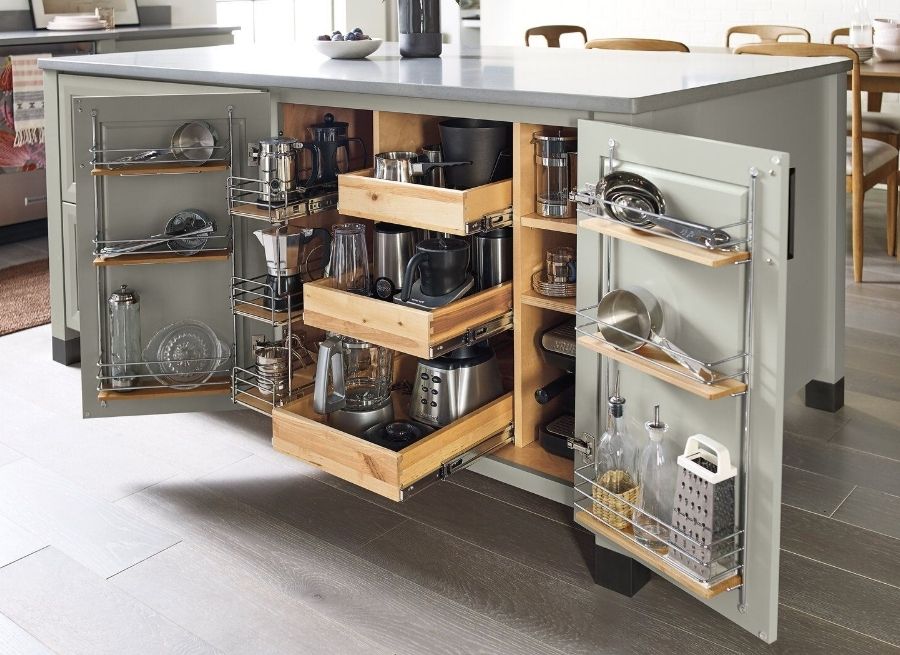
Cabinet storage offers a neat way to keep kitchen appliances organized. It hides clutter and frees up counter space. Cabinets come in various sizes and styles to fit your kitchen needs. Proper use of cabinets helps keep appliances safe and easy to access. Here is how to make the most of cabinet storage for your kitchen appliances.
Using Upper Cabinets
Upper cabinets are great for storing small appliances you use less often. Place items like blenders, mixers, or toasters up high. This keeps counters clear and appliances out of reach of children. Use sturdy shelves inside to support heavy appliances. Label the cabinet doors for quick identification.
Pull-out Shelves And Organizers
Pull-out shelves make reaching appliances easier. They slide out smoothly, reducing bending and lifting. Use them for bulky items like slow cookers or air fryers. Organizers inside cabinets help keep small appliances tidy. They prevent stacking and damage. These systems save space and improve kitchen flow.
Safety And Ventilation Considerations
Appliances need proper ventilation to avoid overheating. Avoid storing hot appliances in closed cabinets right after use. Leave space around appliances for air circulation. Keep cords untangled and away from water sources. Store sharp or heavy appliances securely to prevent accidents. Safety should always come first in kitchen storage.
Pantry Options
Pantry space offers a smart solution for storing kitchen appliances. It keeps counters clear and makes the kitchen look tidy. Using the pantry well can save time during cooking and cleaning. Organizing appliances in the pantry helps you find them fast. Here are some tips for using pantry options effectively.
Designated Appliance Zones
Create specific spots in the pantry for different appliances. Group similar items together, like blenders or mixers. This makes it easier to grab what you need quickly. Mark shelves or use labels to keep zones clear. It also helps keep the pantry neat and organized.
Maximizing Vertical Space
Use tall shelves or stackable containers to save space. Place smaller appliances on higher shelves to free up lower areas. Hooks or racks can hold items like handheld mixers. This method uses every inch of your pantry wisely. Vertical storage keeps appliances visible and easy to reach.
Keeping Appliances Clean And Dry
Make sure the pantry is dry and ventilated. Moisture can damage electrical appliances over time. Use liners or mats on shelves to protect surfaces. Clean appliances before storing them to avoid dirt buildup. A clean pantry keeps your appliances safe and working well.
Drawer Solutions
Drawer solutions offer a smart way to organize kitchen appliances. They keep your space neat and make appliances easy to find. Drawers use space efficiently and reduce countertop clutter. Below are some great ideas to store appliances in drawers.
Deep Drawers For Bulky Items
Deep drawers hold large kitchen appliances well. Mixers, blenders, and slow cookers fit comfortably inside. These drawers prevent heavy items from crowding your counters. They also make it simple to pull out and use appliances. Deep drawers protect appliances from dust and spills.
Custom Inserts For Small Appliances
Custom inserts keep small appliances neat and secure. Use inserts with compartments for coffee makers or toasters. Inserts stop appliances from moving when you open drawers. They save space by fitting appliances perfectly. This method helps keep your kitchen tidy and organized.
Easy Access Techniques
Easy access improves how you use kitchen appliances. Slide-out drawers let you reach appliances without bending. Label drawers to find items quickly. Keep frequently used appliances in top drawers. This saves time and effort during cooking. Proper placement enhances kitchen flow and safety.
Island And Peninsula Storage
Kitchen islands and peninsulas offer great storage options for appliances. These areas provide extra space without cluttering countertops. Placing appliances here can keep your kitchen neat and organized. The right setup helps maintain smooth kitchen workflow. It also makes cooking more convenient and enjoyable.
Incorporating Appliances Into Kitchen Islands
Kitchen islands can house small appliances like mixers and blenders. Built-in spaces or cabinets under the island keep these items hidden. This setup frees up counter space for cooking and prep work. Larger appliances, such as microwaves, can also fit into islands. Choose designs with easy access and proper ventilation for safety.
Electrical Outlet Placement
Outlets must be placed carefully in islands and peninsulas. They should be easy to reach but not in the way. Installing outlets on the side or under the countertop is ideal. This keeps cords tidy and prevents accidents. Plan the number of outlets based on your appliance needs. Proper wiring supports safe and efficient appliance use.
Maintaining Workflow Efficiency
Keep frequently used appliances close to prep and cooking areas. Avoid placing appliances in hard-to-reach spots. Group appliances by function to save time during meal prep. Clear pathways around islands improve movement and reduce spills. Thoughtful storage boosts kitchen flow and reduces clutter. This makes cooking faster and less stressful.
Open Shelving Ideas
Open shelving offers a fresh way to store kitchen appliances. It keeps items visible and easy to reach. This style adds a modern touch and makes your kitchen look bigger. You can show off your favorite gadgets and keep daily tools close at hand. Open shelves invite creativity in organizing your space.
Stylish And Practical Displays
Place appliances that you use often on open shelves. Choose items with sleek designs or bright colors. Arrange them neatly to create a clean look. Use baskets or trays to group smaller appliances. This keeps everything organized and easy to grab. Open shelving turns your kitchen tools into part of the décor.
Dust And Maintenance Tips
Open shelves collect dust faster than closed cabinets. Clean shelves and appliances regularly to keep them fresh. Use a soft cloth and mild cleaner to avoid damage. Cover appliances with cloths if you don’t use them daily. Good maintenance keeps your kitchen tidy and your gadgets in top shape.
Combining Open And Closed Storage
Mix open shelves with closed cabinets for balance. Store less-used or messy appliances behind doors. Use open shelves for pretty or everyday items. This method keeps clutter out of sight but maintains easy access. Combining both styles helps you stay organized and stylish.
Garage Or Basement Storage
Garage or basement storage offers a smart option for keeping kitchen appliances. These spaces free up kitchen counters and cabinets. They work well for appliances used only sometimes. Proper organization in these areas keeps appliances safe and easy to find.
These storage spots usually have more room than the kitchen. They allow you to store bulky or heavy appliances. Using the garage or basement wisely helps maintain a tidy kitchen.
Storing Seasonal Appliances
Seasonal appliances like ice cream makers or slow cookers fit well in the garage or basement. Store them during months when you do not use them. Keep them clean and dry before storing. Use clear bins to keep similar items together. Label each box for easy identification later.
Protecting Appliances From Damage
Garages and basements can be damp or dusty. Use airtight containers to protect appliances from moisture and dirt. Wrap fragile items in bubble wrap or soft cloths. Place appliances on shelves or pallets to avoid direct floor contact. Check storage areas regularly for pests and leaks.
Easy Retrieval Strategies
Organize appliances by frequency of use. Keep frequently used items near the front. Place less used appliances at the back or higher shelves. Create a simple inventory list to track stored items. This saves time and prevents buying duplicates.
Smart Storage Tips
Smart storage helps keep kitchen appliances easy to find and use. It saves space and keeps counters clear. A tidy kitchen feels bigger and works better. Small changes in storage make a big difference. Here are tips to organize appliances smartly.
Labeling And Organization
Label shelves and containers for quick access. Use clear bins to see appliances inside. Group similar items together, like blenders with mixers. Keep daily-use appliances on the counter or in easy reach. Store rarely used gadgets higher or in cabinets. Labels help everyone find what they need fast.
Energy Efficiency Considerations
Place appliances away from heat sources like ovens. Heat can make them work harder and waste energy. Keep cords untangled and plugged into power strips. Turn off appliances fully when not in use. Some devices use energy even when off but still plugged in. Organize to minimize energy waste and save money.
Regular Appliance Maintenance
Clean appliances after use to keep them working well. Check cords and plugs for damage regularly. Store appliances dry to avoid rust or mold. Schedule deep cleaning for machines like coffee makers and mixers. Well-maintained appliances last longer and perform better. Maintenance saves repair costs and frustration.
Frequently Asked Questions
Where Is The Best Spot For Countertop Appliances?
Countertop appliances fit best near power outlets and cooking zones. Keep them accessible but avoid cluttering your workspace for efficiency.
How To Organize Small Kitchen Appliances Effectively?
Store small appliances in cabinets or drawers with adjustable shelves. Use organizers or baskets to keep them tidy and easy to find.
Should Heavy Appliances Be Stored On Lower Shelves?
Yes, heavy appliances should be stored on lower shelves. This prevents accidents and makes it easier to lift them safely.
Can Kitchen Islands Be Used For Appliance Storage?
Kitchen islands can store appliances if they have built-in cabinets or shelves. This keeps appliances handy while saving counter space.
Conclusion
Choosing the right spots for your kitchen appliances saves space and time. Keep frequently used items within easy reach. Store bulky gadgets in cabinets or pantry corners. Clear countertops by placing appliances you use less often inside drawers. Organizing this way makes cooking easier and your kitchen tidier.
Small changes can make a big difference in your daily routine. Try these tips and enjoy a more functional kitchen every day.

Rachel Bennett is a passionate home cook, kitchen enthusiast, and the voice behind Home Kitchen Mate. With years of hands-on experience experimenting in the kitchen, she blends creativity and practicality to make cooking easier and more enjoyable for everyone.