Have you ever wondered if your food processor can double as a blender? Maybe you’re short on kitchen space or looking to save money by using one appliance for multiple tasks.
It’s a common question, and the answer might surprise you. Understanding the difference between these two tools can help you get the best results in your cooking. Keep reading to discover whether your food processor can really replace a blender—and how to use it like a pro if it can.
Differences Between Food Processors And Blenders
Food processors and blenders are common kitchen tools. They both help with food preparation but serve different purposes. Understanding their differences helps pick the right appliance for your task.
Design And Blade Variations
Food processors have wide, short bowls with sharp, flat blades. These blades chop, slice, and shred ingredients. Blenders feature tall, narrow jars with fixed, angled blades. These blades create a vortex to blend liquids and soft foods smoothly.
Functionality And Common Uses
Food processors handle solid foods well. They chop vegetables, make dough, and shred cheese. Blenders mix liquids, smoothies, and purees. They are perfect for soups, sauces, and drinks.
Texture And Consistency Outcomes
Food processors produce coarser, chunkier textures. They keep some food pieces intact. Blenders create smooth, creamy textures. They break down ingredients completely for even blends.
Using A Food Processor As A Blender
Wondering if your food processor can double as a blender? Many people find themselves reaching for their food processor when a blender isn’t handy. While these appliances share some functions, they aren’t exactly interchangeable. Understanding how a food processor handles blending tasks can help you make the most of your kitchen tools.
Suitable Tasks For Food Processors
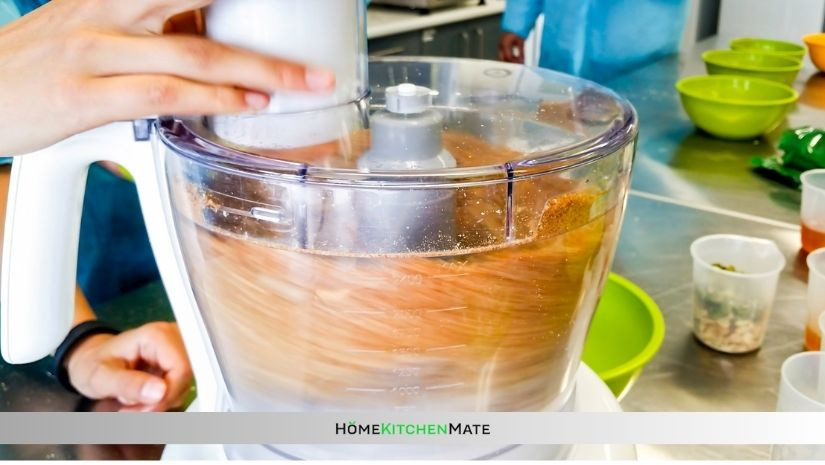
Food processors excel at chopping, slicing, and shredding solid ingredients. They handle thick mixtures like dough, nut butters, and chunky salsas with ease. If you want to make pesto or hummus, a food processor works well because it can break down ingredients into a coarse or smooth texture.
Have you tried making thick smoothies or frozen fruit blends in your food processor? It often does a good job with those since the mixture is dense enough to process without spilling. You can also whip up creamy dressings and sauces that don’t require a fully liquid base.
Limitations In Liquid Blending
Food processors are not designed for handling large volumes of liquid. Unlike blenders, they don’t create a vortex to pull liquid down toward the blades, which can lead to uneven blending. Thin liquids like juices or watery soups may spill or splash out, making a mess.
Struggling to make smooth purees or silky soups with a food processor? That’s a common issue because the blades are wider and less suited for creating a smooth, consistent liquid texture. You might find yourself needing to stop and scrape the sides frequently, which slows down the process.
Tips For Effective Use
To get the best blending results from your food processor, start by cutting solid ingredients into smaller pieces. This helps the blades grab and process them more evenly. Use the pulse function in short bursts to control the texture and avoid overprocessing.
When working with liquids, limit the amount to no more than half the processor bowl’s capacity. Adding liquids slowly while pulsing can prevent splashing. Cleaning up quickly after use prevents dried-on bits, especially if you blend sticky or oily ingredients.
Have you adjusted your technique when using a food processor as a blender? Small changes can make a big difference in texture and ease of use. Experimenting with speeds and ingredient sizes might surprise you with improved results.
When To Choose A Blender Over A Food Processor
Choosing between a blender and a food processor depends on the task. Both appliances have unique strengths. Knowing when to pick a blender helps achieve better results in the kitchen. Blenders excel at handling liquids and creating smooth textures. Food processors are great for chopping, slicing, and mixing thicker ingredients. Below are key points to consider when deciding to use a blender instead of a food processor.
Blending Smoothies And Purees
Blenders are designed to create smooth, creamy textures. They mix fruits, vegetables, and liquids evenly. Smoothies and purees come out silky without chunks. Food processors often leave small pieces behind. Blenders handle soft and wet ingredients better. This makes them ideal for breakfast smoothies and baby food.
Handling Liquids And Ice
Blenders work well with liquids and ice cubes. Their sealed containers prevent spills during blending. Ice crushes into fine pieces quickly. Food processors struggle with large amounts of liquid. They can leak or not blend evenly. Use a blender for soups, frozen drinks, and cocktails.
Speed And Power Considerations
Blenders usually have higher speeds and stronger motors. This helps break down tough ingredients fast. They reach high RPMs needed for smooth blends. Food processors run slower to chop and mix. High-speed blending creates smoother results. Choose a blender for quick and efficient blending tasks.
Frequently Asked Questions
Can A Food Processor Replace A Blender For Smoothies?
A food processor can make smoothies but may not blend as smoothly as a blender.
What Are The Main Differences Between Food Processors And Blenders?
Food processors chop and slice; blenders puree and liquefy ingredients.
Can A Food Processor Crush Ice Like A Blender?
Most food processors struggle to crush ice finely compared to blenders.
Is A Food Processor Good For Making Soups And Sauces?
A food processor can chop ingredients but may not puree soups smoothly.
Can A Blender Handle Thick Dough Better Than A Food Processor?
Food processors are better for thick dough; blenders usually can’t handle it well.
Should I Use A Blender Or Food Processor For Nut Butters?
Food processors are better for making nut butters due to stronger chopping blades.
Conclusion
A food processor can blend some ingredients, but it is not the same as a blender. It works best for chopping, slicing, and mixing thicker foods. Blenders handle liquids and smooth textures better. Using the right tool makes cooking easier and faster.
Choose a blender for smoothies or soups. Pick a food processor for dough or veggies. Both have their place in the kitchen. Understanding their differences helps you get the best results every time. Simple tools, smart choices.

Rachel Bennett is a passionate home cook, kitchen enthusiast, and the voice behind Home Kitchen Mate. With years of hands-on experience experimenting in the kitchen, she blends creativity and practicality to make cooking easier and more enjoyable for everyone.