Have you ever wondered if you can put cardboard in the oven? Maybe you’re thinking about reheating a pizza box or using cardboard for a quick cooking hack.
It’s a question many people ask but few know the real answer to. Understanding whether cardboard is safe to use in your oven can save you from unexpected fires, harmful fumes, or ruined food. Keep reading to find out what really happens when cardboard meets heat—and how to keep your kitchen safe while cooking.
Safety Concerns With Cardboard
Using cardboard in the oven raises several safety concerns. It is important to understand the risks before placing cardboard in high heat. Cardboard may seem harmless, but it can cause serious problems.
Fire Hazards
Cardboard is highly flammable. It can catch fire quickly in the oven. The heat can cause the cardboard to smolder or ignite. This risk increases with higher temperatures or longer cooking times.
Burning cardboard produces smoke and toxic fumes. These fumes can harm your health and damage your kitchen. Never leave cardboard unattended in the oven.
Chemical Risks
Many cardboard boxes contain chemicals. These include inks, dyes, and adhesives. When heated, these chemicals may release harmful gases.
Heating cardboard can also transfer unwanted chemicals to your food. This can cause health problems over time. It is safer to avoid using cardboard for cooking or baking.
What Happens When Cardboard Goes In The Oven
Putting cardboard in the oven might seem harmless at first, but understanding what happens to it under heat can save you from unexpected problems. The effects of heat on cardboard are more complex than you might think. Let’s break down what really happens when cardboard faces the oven’s heat and why it could cause issues.
Heat Effects On Cardboard
Cardboard is made from paper fibers glued together, which react strongly to heat. When exposed to oven temperatures, cardboard can quickly dry out, become brittle, and eventually catch fire. Even at lower temperatures, it may start to warp or emit unpleasant odors due to the adhesives and coatings inside.
Have you ever noticed a strange smell when heating a pizza box? That’s because the glue and inks in the cardboard release fumes when heated. These fumes aren’t just annoying; they can also be harmful if inhaled repeatedly.
Potential Damage To Oven
Heating cardboard in your oven can lead to more than just ruined food; your oven itself can suffer damage. Cardboard fires can cause smoke stains and leave behind residues that are hard to clean. Worse, a small flame might damage heating elements or sensors, leading to costly repairs.
Think about the last time you used your oven—would you want to risk damaging it for the sake of convenience? It’s safer to avoid cardboard altogether and use oven-safe trays or dishes instead. Your oven’s longevity depends on careful use, and avoiding cardboard is a simple way to protect it.
Safe Alternatives For Oven Use
Using cardboard in the oven is not safe, but you don’t have to worry about finding a quick replacement. There are plenty of materials designed to handle the heat without risking fire or toxic fumes. Knowing your options helps you protect your food and your kitchen.
Oven-safe Containers
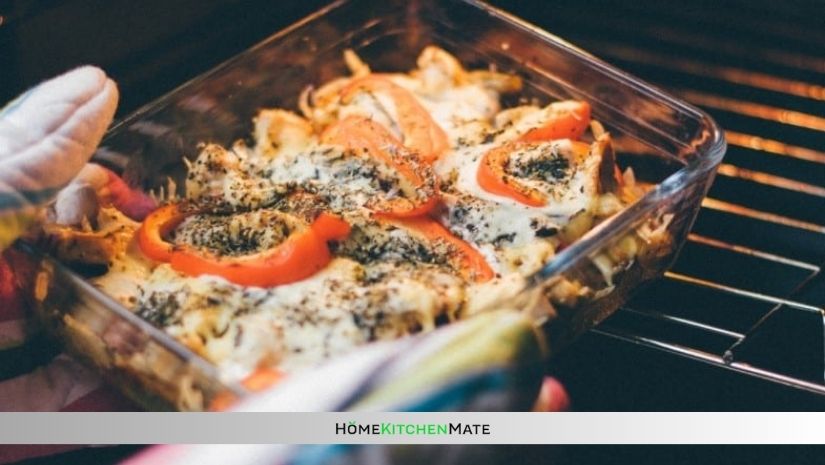
Glass baking dishes are a reliable choice for oven use. They distribute heat evenly and won’t warp or melt under high temperatures.
Ceramic cookware also works well and adds a nice touch to your table if you want to serve directly from the oven.
Metal pans, especially those made from stainless steel or aluminum, are excellent for roasting and baking. Just avoid anything with plastic handles or coatings that aren’t labeled oven-safe.
Have you ever tried silicone bakeware? It’s flexible, easy to clean, and can handle heat up to about 450°F (232°C). This makes it great for muffins, cakes, and other baked goods.
Tips For Heating Food Safely
- Always check the manufacturer’s label before putting any container in the oven. If it doesn’t say “oven-safe,” don’t risk it.
- Use parchment paper or aluminum foil as liners instead of cardboard. Both can protect your pans without catching fire.
- Keep an eye on the temperature settings. Most safe containers can handle standard baking temps, but extreme heat might damage some materials.
- When reheating leftovers, spread food evenly and avoid stacking containers. This helps heat circulate and cooks your food thoroughly.
- Never leave the oven unattended when trying new containers or materials. A quick check can prevent accidents and keep your kitchen safe.
What’s your go-to oven-safe container? Trying different options could improve your cooking experience and keep your kitchen accident-free.
Frequently Asked Questions
Can Cardboard Be Safely Heated In An Oven?
Cardboard is not safe to heat in an oven. It can catch fire or release harmful chemicals.
What Happens If Cardboard Is Put In The Oven?
Cardboard may burn or smolder, causing smoke and a fire hazard in your oven.
Is It Okay To Use Cardboard Pizza Boxes In The Oven?
No, pizza boxes should not go in the oven. They can ignite and cause fire.
Can Oven Heat Change The Quality Of Cardboard?
Heat can weaken cardboard, making it soft, burnt, or releasing toxic fumes.
Are There Safer Alternatives To Cardboard For Oven Use?
Use oven-safe trays, glass, or metal pans instead of cardboard for cooking or baking.
How To Dispose Of Cardboard After Oven Use?
Do not reuse heated cardboard. Recycle it if clean, or throw it away if burnt.
Conclusion
Cardboard is not safe to use in the oven. It can catch fire quickly and cause danger. Heat can also release harmful chemicals from cardboard. Use oven-safe containers instead for cooking or baking. Always check labels before placing anything inside the oven.
Protect your kitchen and family by avoiding cardboard in oven use. Remember, safety comes first when cooking at home. Simple steps keep your meals tasty and your home safe. Choose wisely and enjoy cooking without risks.

Rachel Bennett is a passionate home cook, kitchen enthusiast, and the voice behind Home Kitchen Mate. With years of hands-on experience experimenting in the kitchen, she blends creativity and practicality to make cooking easier and more enjoyable for everyone.