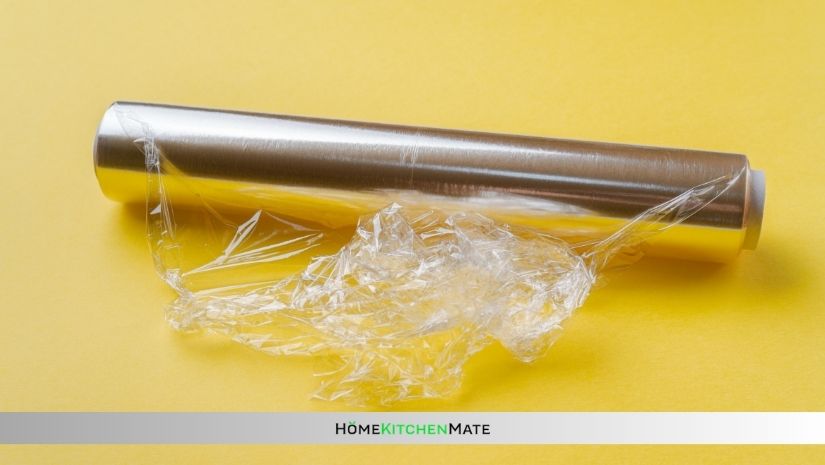
You probably use cling wrap every day to keep your food fresh. But have you ever wondered if it’s safe to put cling wrap in the microwave?
You want your meals heated quickly without worrying about harmful chemicals or melted plastic. This question matters because the wrong choice can affect your health and your food’s taste. Keep reading to discover the truth about cling wrap and the microwave—so you can heat your meals safely and confidently.
Microwaving Cling Wrap
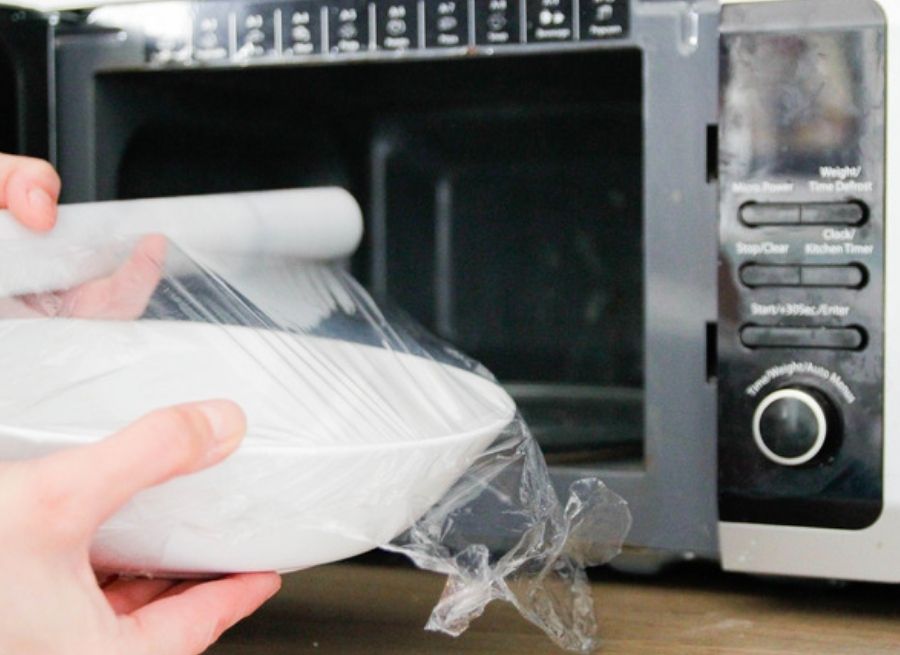
Microwaving cling wrap can be convenient for reheating or steaming food quickly. However, not all cling wraps are designed to handle the heat inside a microwave. Understanding which types are safe and the risks involved with using the wrong wrap can help you protect your health and your meals.
Types Of Cling Wrap Suitable For Microwave
Look for cling wraps labeled as “microwave-safe” or “heat-resistant.” These wraps are made from materials that won’t melt or release harmful chemicals when heated. Brands often mention this feature on the packaging, so always check before using.
Some microwave-safe cling wraps are made from polyethylene or polyvinylidene chloride (PVDC), which tolerate heat better. These wraps cling tightly but won’t warp or break down easily under microwave heat.
- Check the packaging for microwave-safe symbols.
- Avoid wraps with added scents or colors that might not be heat stable.
- Use these wraps to cover dishes loosely to allow steam to escape safely.
Risks Of Using Regular Cling Wrap
Regular cling wrap, especially those not designed for microwaves, may melt or warp during heating. This can cause plastic to touch your food directly, increasing the chance of harmful chemicals leaching into your meal.
Have you ever noticed a strange smell or sticky residue after microwaving food with cling wrap? That’s a warning sign that your wrap may be breaking down. Chemicals like phthalates and BPA, often found in plastics, can disrupt hormones and pose health risks if consumed regularly.
Using non-microwave-safe cling wrap can also damage your microwave by leaving residues or causing sparks. Instead, try using microwave-safe containers with vented lids or microwave-safe wraps designed specifically for reheating.
Safe Heating Practices
Using cling wrap in the microwave can be convenient, but safety must come first. Understanding how to heat food properly with cling wrap helps avoid harmful chemicals seeping into your meals and prevents accidents. Let’s look at some practical ways to keep your heating process safe and effective.
Proper Wrapping Techniques
Make sure the cling wrap is labeled microwave-safe before using it. Not all wraps can handle heat, so check the packaging to avoid melting or releasing toxins.
Wrap the food loosely rather than sealing it tight. This allows steam to escape, preventing pressure buildup that can cause the wrap to burst.
- Leave a small gap or vent to let steam out.
- Cover only the top surface, avoiding tight seals around the edges.
- Use microwave-safe containers under the wrap for added stability.
Have you ever opened your microwave only to find cling wrap stuck or melted? That happens when it’s wrapped too tightly or not designed for microwave use.
Avoiding Direct Contact With Food
Direct contact between cling wrap and hot food can cause the plastic to melt or release chemicals into your meal. To prevent this, keep the wrap a bit away from the food surface.
If you’re heating oily or fatty foods, it’s especially important to avoid direct contact. Oils heat faster and can increase the chance of plastic melting.
Try placing a microwave-safe plate or paper towel between the food and cling wrap. This simple step protects your food and keeps the wrap intact.
Think about your last microwave meal—did you notice any plastic odor or strange taste? That might be a sign the cling wrap touched the food directly and wasn’t safe for heating.
Alternative Microwave Covers
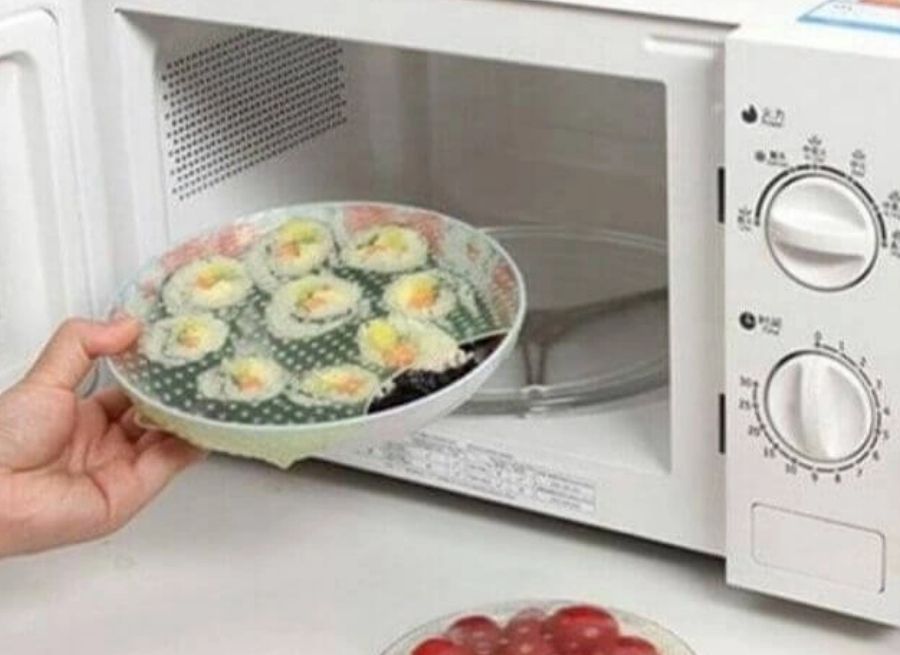
Finding the right cover for microwave heating is important. Some materials can melt or release harmful chemicals. Alternative microwave covers help keep food safe and microwave clean. They also stop splatters and keep moisture in food.
Microwave-safe Lids And Plates
Microwave-safe lids made of plastic or silicone are a good choice. They fit tightly and trap steam inside food. Look for lids labeled “microwave-safe.” Some plates come with covers designed for microwave use. These covers prevent splatter and heat food evenly.
Using Paper Towels And Microwave-safe Containers
Paper towels can cover food to stop splatter. They are easy to use and throw away after. Use plain paper towels, not printed or recycled ones. Microwave-safe containers made of glass or ceramic are safe for heating. They can be covered with a microwave-safe lid or paper towel.
Frequently Asked Questions
Can Cling Wrap Be Used Safely In Microwaves?
Cling wrap can be microwave-safe if labeled so. Use wraps designed for microwave use only.
What Happens If Cling Wrap Melts In The Microwave?
Melting cling wrap can release harmful chemicals and spoil your food’s taste and safety.
How To Cover Food With Cling Wrap In Microwaves?
Leave a small gap for steam to escape. Avoid tight seals to prevent pressure build-up.
Can All Cling Wraps Be Used In Microwave Ovens?
No, only specific microwave-safe cling wraps should be used. Check the packaging before use.
Is It Safe To Microwave Cling Wrap Over Oily Foods?
Oily foods can heat cling wrap unevenly, increasing melting risk. Use caution or avoid coverage.
How To Tell If Cling Wrap Is Microwave Safe?
Look for “microwave-safe” on the label or packaging. Without it, avoid microwaving the wrap.
Conclusion
Cling wrap can be safe in the microwave if labeled microwave-safe. Always check the package instructions before use. Avoid letting the wrap touch food directly during heating. Use a microwave-safe cover or leave a small gap for steam to escape.
This helps prevent melting and harmful chemicals from entering your food. Taking these simple steps keeps your meals safe and tasty. Remember, not all cling wraps are the same. Choosing the right one matters for your health and cooking. Stay cautious and enjoy convenient microwave cooking without worry.

Rachel Bennett is a passionate home cook, kitchen enthusiast, and the voice behind Home Kitchen Mate. With years of hands-on experience experimenting in the kitchen, she blends creativity and practicality to make cooking easier and more enjoyable for everyone.