Are you wondering if your enameled cast iron cookware is safe to use in the oven? You’re not alone.
Many home cooks love these pots and pans for their durability and even heat, but they often hesitate when it comes to oven use. The good news is, understanding whether your enameled cast iron can go in the oven isn’t as confusing as it seems.
You’ll discover clear answers and useful tips to help you get the most out of your cookware—without risking damage. Keep reading to make the best choice for your kitchen and your meals.
Enameled Cast Iron Basics
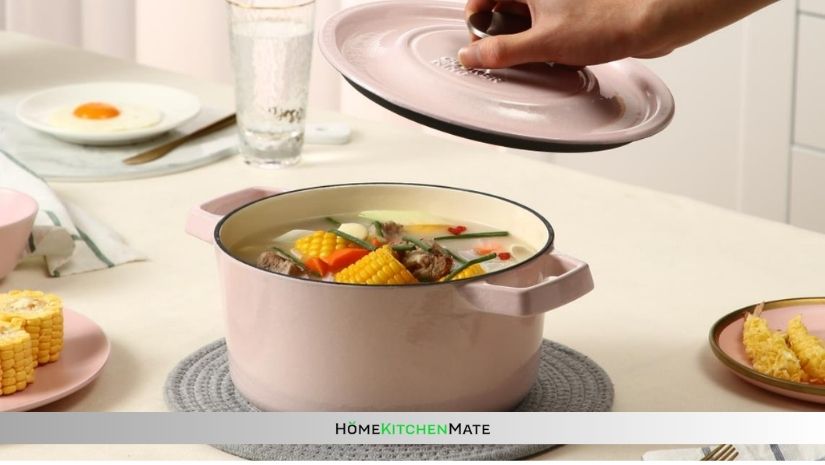
Enameled cast iron is a popular choice for many kitchens. It combines heavy cast iron with a smooth, colorful coating. This cookware is known for its durability and versatility. Understanding its basic features helps to use it safely and effectively.
Material And Coating Features
Enameled cast iron has a cast iron core. This core retains heat very well. It heats evenly, which is good for cooking. The outer layer is a glass-like enamel. This enamel stops rust and protects the iron. It also makes cleaning easier. The coating comes in many colors. This adds style to the kitchen. The enamel is strong but can chip if dropped.
Common Uses In Cooking
This cookware suits many cooking methods. It is great for slow cooking and simmering. It works well for roasting meats and vegetables. It can also bake dishes like casseroles. Enameled cast iron can go from stovetop to oven. It is perfect for recipes that need both heat sources. The even heat helps cook food thoroughly. It also keeps food warm for longer after cooking.
Oven Safety Tips
Using enameled cast iron in the oven can be a fantastic way to enhance your cooking, but safety is key to maintaining your cookware’s longevity and performance. Knowing how to properly handle your enameled cast iron when it’s hot ensures you avoid accidents and damage. Let’s look at some practical oven safety tips that help you get the best results without risk.
Temperature Limits
Your enameled cast iron has a maximum temperature limit, often around 450°F to 500°F (230°C to 260°C). Exceeding this can cause the enamel to crack or discolor, which reduces the cookware’s lifespan.
Always check the manufacturer’s guidelines before placing your piece in the oven. If you push the temperature too high, you risk chipping the enamel, which leads to rusting underneath.
Ever tried roasting at 550°F and noticed tiny cracks afterward? That’s a clear sign you’ve surpassed safe limits. Stick to moderate oven temperatures to keep your cookware in top shape.
Handling And Care
After cooking, your enameled cast iron will be extremely hot. Use thick oven mitts or pot holders to avoid burns when removing it from the oven. Avoid sudden temperature changes, like placing a hot pot on a cold surface, to prevent thermal shock.
When cleaning, don’t use harsh scrubbing pads or metal utensils, which can scratch the enamel. Instead, soak the cookware in warm soapy water and gently scrub with a soft sponge.
Have you ever dropped a heavy pot or knocked it against a countertop? Even a small chip in the enamel can cause issues down the line. Handle your enameled cast iron with care, especially when it’s hot and heavy.
Maximizing Oven Use
Using enameled cast iron in the oven opens many cooking possibilities. This cookware handles heat evenly and holds temperature well. You can prepare meals that need slow cooking or high heat without worry. Baking, roasting, and braising become easier and more efficient. It saves time and enhances flavor by maintaining consistent heat.
Oven use also protects the enamel coating better than direct stove-top heat. This helps keep your cookware in good shape for longer. Knowing how to use your enameled cast iron in the oven maximizes its value in your kitchen.
Best Recipes For Enameled Cast Iron
- Slow-cooked stews with tender meat and rich sauce
- Baked pasta dishes with crispy tops and gooey cheese
- Roasted vegetables that caramelize beautifully
- One-pot casseroles that cook evenly and stay moist
- Freshly baked bread with a crunchy crust
Maintenance After Oven Use
Allow your cookware to cool before cleaning. Avoid sudden temperature changes to protect the enamel. Hand wash with warm, soapy water and a soft sponge. Do not use metal scrubbers or harsh cleaners. Dry thoroughly to prevent rust on exposed edges. Store carefully to avoid chips or cracks in the enamel.
Frequently Asked Questions
Can Enameled Cast Iron Handle Oven Temperatures?
Enameled cast iron can safely withstand oven temperatures up to 500°F (260°C).
Is The Lid Of Enameled Cast Iron Oven-safe?
Most enameled cast iron lids are oven-safe but check the handle material first.
Can I Use Enameled Cast Iron For Baking?
Yes, enameled cast iron is perfect for baking bread, casseroles, and more.
Does Oven Use Damage Enameled Cast Iron Cookware?
Using enameled cast iron in the oven does not harm its coating or durability.
Can I Put Enameled Cast Iron On A Broiler?
Broiling is not recommended as high direct heat can damage the enamel surface.
How To Clean Enameled Cast Iron After Oven Use?
Let it cool, then wash with warm soapy water and a soft sponge.
Conclusion
Enameled cast iron works well in the oven. It can handle high heat without damage. Always check the manufacturer’s temperature limit first. Avoid sudden temperature changes to protect the enamel. Use it for roasting, baking, or slow cooking. This cookware stays hot and cooks food evenly.
Clean it gently to keep the enamel smooth. With proper care, your enameled cast iron lasts long. It’s a versatile tool for many recipes. Safe, strong, and easy to use in the oven. Perfect for tasty meals every time.

Rachel Bennett is a passionate home cook, kitchen enthusiast, and the voice behind Home Kitchen Mate. With years of hands-on experience experimenting in the kitchen, she blends creativity and practicality to make cooking easier and more enjoyable for everyone.