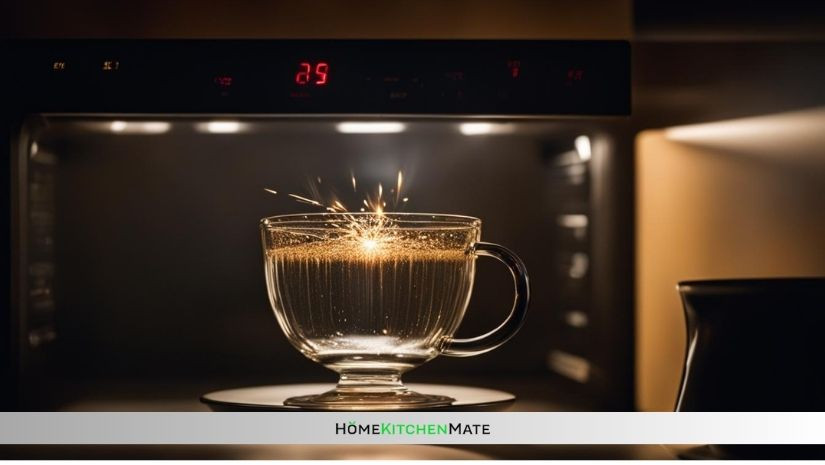
Have you ever wondered if you can safely heat your drink in a glass cup using the microwave? You might think it’s simple, but the answer isn’t always clear.
Using the wrong type of glass cup could damage your microwave, ruin your drink, or even cause injury. You’ll discover exactly which glass cups are safe to use and what you need to watch out for. Keep reading to make sure your next microwave moment is both safe and hassle-free.
Microwaving Glass Cups
Microwaving glass cups might seem straightforward, but it’s important to know which types can safely handle the heat. Not all glass is made equal, and using the wrong kind could lead to cracks, burns, or even a shattered mess. Understanding the difference can save you time, money, and a headache.
Types Of Microwave-safe Glass
Some glass cups are designed specifically for microwave use. These usually include:
- Tempered glass:Made to withstand rapid temperature changes without breaking.
- Borosilicate glass:Known for its high resistance to thermal shock, often used in labware and kitchenware.
- Glass labeled “microwave-safe”: These have been tested and approved by manufacturers for microwave use.
Have you ever noticed a symbol or label on your glassware? That’s your easiest clue. If it’s missing, it’s safer to avoid microwaving it.
Risks Of Non-safe Glass
Using glass not meant for microwaves can cause serious problems. Non-safe glass can:
- Crack or shatter:Sudden heat can create stress points, leading to breakage.
- Overheat unevenly:This might cause burns when you handle the cup or damage the microwave itself.
- Release harmful chemicals:Some decorative glassware contains metals or paints that are unsafe in microwaves.
Imagine heating your coffee only to have the cup explode or crack — it’s not just messy but dangerous. Always check your glass cup’s label or test with water before microwaving.
Safety Tips For Microwaving Glass
Microwaving glass cups requires care to avoid accidents and damage. Following safety tips protects both you and your glassware. Glass can heat unevenly, so understanding safe practices is important.
Avoid Sudden Temperature Changes
Glass can crack or shatter from quick temperature shifts. Never place cold glass directly into a hot microwave. Let glass cups warm up gradually to prevent stress. Avoid moving glass from the microwave to cold water immediately.
Check For Metal Decorations
Some glass cups have metal rims or designs. Metal in microwaves causes sparks and fires. Always inspect glass for any metal parts before microwaving. Choose plain glass cups without metallic decorations for safety.
Use Microwave-safe Labels
Look for glass cups labeled microwave-safe. These are tested to withstand microwave heat. If no label is present, test the glass carefully. Heat water in the glass for a short time and check for overheating.
Alternatives To Glass Cups In Microwave
Glass cups are common in kitchens, but not all are safe for microwave use. Choosing the right container helps heat food evenly and safely. Several alternatives to glass cups work well in microwaves. These options offer durability and ease of use for daily heating needs.
Microwave-safe Plastic Options
Microwave-safe plastics are lightweight and convenient. They heat food quickly without breaking or cracking. Look for containers labeled as microwave-safe to avoid harmful chemicals.
- Polypropylene (PP) containers are common and heat-resistant.
- BPA-free plastics reduce health risks.
- Reusable plastic cups save money and reduce waste.
Plastic cups can be a good choice for reheating drinks or small meals. Avoid using old or damaged plastic as it may melt or release toxins.
Ceramic And Stoneware Choices
Ceramic and stoneware cups offer a classic look and good microwave safety. These materials distribute heat evenly and keep beverages warm longer.
- Glazed ceramics prevent liquids from soaking into the cup.
- Stoneware is sturdy and often dishwasher safe.
- Many ceramic cups come in various designs and colors.
Choose ceramics without metallic paint or decorations, as metal can cause sparks in the microwave. These cups hold heat well and are easy to clean after use.
Frequently Asked Questions
Can All Glass Cups Go In The Microwave Safely?
Not all glass cups are microwave-safe. Only those labeled microwave-safe should be used to avoid cracks or breaks.
How To Know If A Glass Cup Is Microwave-safe?
Look for a microwave-safe label or symbol on the bottom of the cup before heating it.
What Happens If A Non-microwave Glass Cup Is Heated?
Non-microwave glass can crack, shatter, or become very hot and unsafe to handle.
Can Metal Parts On Glass Cups Affect Microwave Use?
Yes, metal parts can cause sparks and damage your microwave or the cup.
Is It Safe To Microwave Glass Cups With Hot Liquids?
Microwaving glass cups with liquids is safe if the cup is microwave-safe and doesn’t have cracks.
How To Avoid Glass Cups Overheating In The Microwave?
Heat in short intervals and use microwave-safe glass cups to prevent overheating and breakage.
Conclusion
Glass cups often work fine in microwaves, but caution matters. Check if the glass is labeled microwave-safe first. Thin or decorated glass may crack or get hot quickly. Avoid sudden temperature changes to prevent breakage. Use a microwave-safe cover to keep food moist.
Always handle cups with care after heating. Following these tips keeps your glass cups safe and your microwave use worry-free. Simple steps can protect both your kitchen and your drinks.

Rachel Bennett is a passionate home cook, kitchen enthusiast, and the voice behind Home Kitchen Mate. With years of hands-on experience experimenting in the kitchen, she blends creativity and practicality to make cooking easier and more enjoyable for everyone.