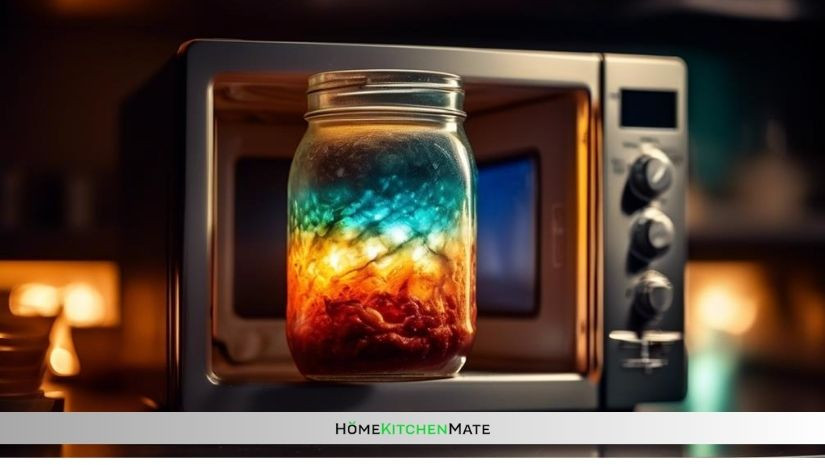
Have you ever reached for a mason jar to heat up your leftovers or make a quick snack in the microwave, then wondered if it’s actually safe? You’re not alone.
Mason jars are everywhere in kitchens, but when it comes to microwaving, things can get confusing. Using the wrong kind of jar or heating it the wrong way could lead to cracks, spills, or even burns. You’ll discover exactly whether mason jars can go in the microwave and how to do it safely.
Keep reading—you’ll save time, avoid accidents, and get the most out of your mason jars every time.
Microwaving Mason Jars: Is It Safe?
Microwaving mason jars might seem like a convenient way to warm up leftovers or prepare a quick meal. But is it actually safe to put these glass containers in the microwave? Understanding the risks and the types of mason jars you have can help you avoid potential hazards and keep your kitchen safe.
Material Matters
Not all mason jars are created equal when it comes to microwave safety. Most mason jars are made from tempered glass, which can usually handle heat changes better than regular glass. However, sudden temperature shifts—like taking a cold jar straight into a hot microwave—can cause the glass to crack or shatter.
Also, the metal lids and bands that often come with mason jars are a definite no-go in microwaves. Metal sparks and can damage your microwave or cause a fire. So, always remove any metal parts before microwaving.
Common Risks
Using a mason jar in the microwave can lead to several risks you might not expect. Glass can become extremely hot, causing burns when you touch the jar right after heating. Additionally, if the jar isn’t microwave-safe, it might crack under heat stress, creating dangerous sharp edges or spilling hot contents.
Another risk involves uneven heating. Thick glass walls may heat food unevenly, leaving cold spots that can harbor bacteria or cause food to be improperly cooked. Have you ever reheated soup only to find it boiling in some spots and cold in others? Mason jars can contribute to that inconsistency.
Types Of Mason Jars
There are different types of mason jars, and not all are suitable for microwave use. Classic mason jars from trusted brands like Ball or Kerr are often made of tempered glass, which offers better heat resistance. Still, even these jars typically come with warnings against microwave use from manufacturers.
- Tempered Glass Jars:More durable and safer for microwaving, but metal lids must be removed.
- Regular Glass Jars:More prone to cracking under heat; better to avoid microwaving.
- Plastic-Lidded Jars:Sometimes safer if the lid is microwave-safe, but check manufacturer instructions.
Have you checked your mason jar’s packaging or manufacturer website for microwave guidelines? Doing so can save you from accidents and keep your food safe.
Best Practices For Microwaving Mason Jars
Microwaving mason jars can be a convenient way to warm your food or liquids, but it requires careful attention to avoid accidents or damage. Following the best practices ensures safety and preserves the quality of your jars and their contents. Let’s break down the essential tips you should know before popping a mason jar into the microwave.
Removing Metal Lids
Always take off the metal lids and bands before microwaving. Metal reflects microwaves and can cause sparks or fires, which is dangerous for both your microwave and your kitchen. If you want to cover the jar, use a microwave-safe plastic wrap or a loose-fitting microwave-safe lid instead.
Avoiding Thermal Shock
Sudden temperature changes can cause glass jars to crack or shatter. To prevent this, avoid placing a cold mason jar directly into the microwave. Let the jar come to room temperature first, or warm the contents gradually using lower power settings. Have you ever seen a jar crack unexpectedly? That’s thermal shock at work.
Heating Time Guidelines
Keep heating times short and check the jar frequently to avoid overheating. Start with 30 to 60 seconds for small amounts and stir or shake the contents carefully before continuing. Longer heating can cause pressure build-up or uneven heating, which might break the glass or scald you when opening.
Alternatives And Precautions
Using mason jars in the microwave can be risky. Glass jars may crack or shatter from heat unevenness. Choosing the right container and handling jars carefully helps prevent accidents. Follow these tips to keep your food safe and your kitchen clean.
Using Microwave-safe Containers
Pick containers labeled microwave-safe for heating food. These are made to handle microwave heat without breaking. Plastic containers, ceramic bowls, and glassware marked safe work well. Avoid regular glass jars unless the label says they can go in the microwave.
Checking For Cracks Or Damage
Always inspect jars before microwaving. Cracks or chips weaken glass and can cause it to break. Even small damage can lead to dangerous splinters. If a jar looks damaged, do not use it in the microwave. Choose a fresh, intact container instead.
Proper Cooling Methods
Let jars cool down slowly after microwaving. Sudden temperature changes may cause glass to break. Avoid placing hot jars on cold surfaces or in the fridge immediately. Use a towel or wooden board to protect jars during cooling. This keeps glass strong and safe for later use.
Frequently Asked Questions
Can Mason Jars Safely Go In The Microwave?
Yes, many Mason jars can go in the microwave if they are labeled microwave-safe.
What Happens If A Mason Jar Is Not Microwave-safe?
Non-microwave-safe jars may crack, break, or shatter when heated in the microwave.
Can I Microwave Mason Jars With Metal Lids?
No, metal lids should never go in the microwave as they cause sparks and fire.
How Long Can I Microwave Food In A Mason Jar?
Heat food in short intervals, usually 30-60 seconds, to avoid overheating or cracking.
Should I Remove The Lid Before Microwaving Mason Jars?
Always remove metal lids and loosen plastic lids to allow steam to escape safely.
Are Glass Mason Jars Better Than Plastic For Microwaving?
Glass jars heat evenly and don’t release chemicals, making them safer than plastic in microwaves.
Conclusion
Mason jars can go in the microwave, but with care. Use jars without metal lids or parts. Avoid sudden temperature changes to prevent cracks. Heat in short intervals and check often. Not all mason jars are microwave-safe. Always read the manufacturer’s instructions first.
Safe use helps keep food warm and fresh. Simple steps make microwaving easy and safe. Remember, safety matters more than convenience. Choose wisely and handle jars gently. Your kitchen routine will stay smooth and worry-free.

Rachel Bennett is a passionate home cook, kitchen enthusiast, and the voice behind Home Kitchen Mate. With years of hands-on experience experimenting in the kitchen, she blends creativity and practicality to make cooking easier and more enjoyable for everyone.