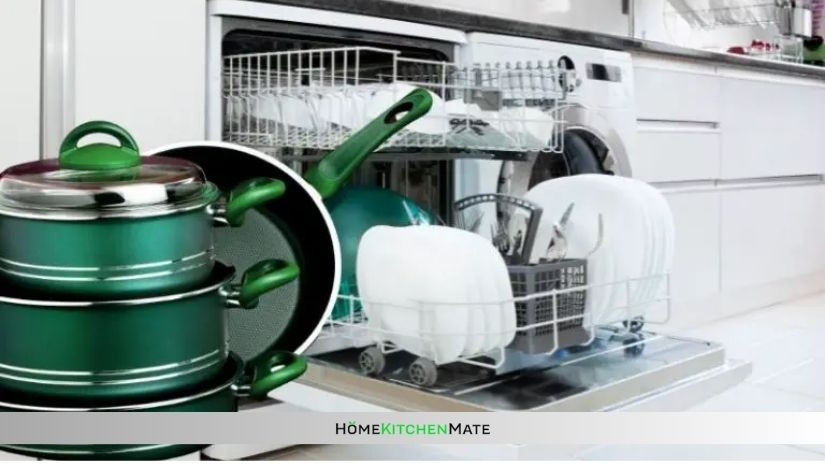
Are you wondering if you can just toss your pots and pans into the dishwasher and save time? It sounds easy, right?
But before you do, there are important things you need to know. Putting your cookware in the dishwasher might seem like a quick fix, but it can sometimes cause damage or ruin your favorite kitchen tools. You’ll discover which pots and pans are safe for the dishwasher, which ones are not, and how to keep your cookware looking great for years.
Keep reading—your kitchen will thank you!
Dishwasher-safe Materials
Knowing which pots and pans can go in the dishwasher saves time and effort. Some materials handle dishwasher cycles well. Others may get damaged or lose their finish. Understanding dishwasher-safe materials helps protect your cookware and keeps it looking new.
Common Dishwasher-friendly Pans
- Stainless steel pans resist rust and scratches in the dishwasher.
- Hard-anodized aluminum pans usually tolerate dishwasher cleaning.
- Ceramic-coated pans designed as dishwasher-safe can be cleaned easily.
- Silicone pans and accessories often withstand dishwasher heat and water.
Materials To Avoid
- Cast iron pans lose seasoning and may rust after dishwasher use.
- Nonstick pans with delicate coatings can peel or wear out quickly.
- Copper pans may tarnish and lose their shine in the dishwasher.
- Wooden handles or utensils can crack or warp from dishwasher water.
Special Coatings And Finishes
Many pans have coatings that need special care. Nonstick surfaces can degrade if dishwasher detergents are harsh. Some ceramic finishes chip or fade over time. Always check the manufacturer’s instructions before placing pans with special coatings in the dishwasher.
Some pans have protective layers that resist dishwasher damage. These layers help keep pans looking new longer. Avoid abrasive scrubbing or high heat cycles to preserve coatings and finishes.
Tips For Loading Pots And Pans
Loading pots and pans into your dishwasher may seem straightforward, but a few smart moves can make a big difference. Proper loading not only keeps your cookware clean but also protects it from damage. Let’s break down some useful tips to help you load your pots and pans efficiently.
Proper Placement Techniques
Place larger pots and pans on the bottom rack where the spray is strongest. Position them at an angle to allow water to reach inside and drain easily. Avoid stacking items on top of each other; this blocks water flow and leaves spots uncleaned.
Smaller lids and pans can go on the top rack, but make sure they are secure to prevent shifting during the wash cycle. If you have nonstick or delicate cookware, consider placing them away from direct water jets to maintain their coating.
Avoiding Damage During Washing
Metal pots and pans can collide during washing and cause scratches or dents. Use dishwasher racks and dividers to keep them separated. If your dishwasher doesn’t have enough space or protection, hand washing may be safer for your favorite cookware.
Check the manufacturer’s instructions on your pots and pans. Some materials like cast iron or copper are not dishwasher-safe and can degrade quickly if washed improperly. Have you ever noticed your pan’s finish dulling after a dishwasher cycle? That’s a sign to change your washing method.
Using The Right Detergents
Choose a detergent designed for heavy-duty cleaning but gentle enough for your cookware. Harsh chemicals can erode nonstick surfaces and discolor metals. Look for phosphate-free detergents that are effective but kinder to your kitchenware.
Adding a rinse aid can help prevent spots and residue on your pots and pans. If you notice residue build-up, try adjusting the detergent amount or switching brands. Sometimes, a small change in detergent makes a big impact on cleanliness and cookware longevity.
Maintaining Cookware After Dishwashing
After your pots and pans have completed their dishwasher cycle, the work is not quite over. Properly maintaining cookware after dishwashing helps extend its life and keeps your kitchen essentials looking and performing their best. Small steps in cleaning, drying, and storage can prevent damage and keep your cookware ready for the next meal.
Removing Residue And Stains
Sometimes, the dishwasher doesn’t get every spot perfectly clean, leaving behind stubborn residue or stains. Use a gentle scrubber or a soft sponge with mild dish soap to remove any leftover food particles or discoloration. Avoid abrasive pads that can scratch your cookware’s surface.
If stains persist, try a paste made from baking soda and water. Apply it gently, let it sit for a few minutes, then rinse thoroughly. Have you noticed how some pans develop a rainbow discoloration? This often happens due to high heat or dishwasher detergents, and a vinegar soak can usually help restore the finish.
Drying And Storage Tips
Even after the dishwasher cycle, moisture can linger on your pots and pans. Wiping them dry immediately prevents water spots and rust, especially on stainless steel and cast iron. If you own cast iron cookware, drying is crucial to avoid rust formation.
Store your cookware in a dry, well-ventilated area. Stack pans carefully with protective liners or towels between them to prevent scratches. Do you stack your pots and pans right after dishwashing or give them some time to air dry completely? Letting them air dry can reduce trapped moisture and odors.
When To Hand Wash Instead
Not all cookware is dishwasher-safe, even if it seems convenient. Non-stick pans, cast iron, and copper pots often require hand washing to protect their coating and material. If your cookware’s manufacturer advises against dishwashing, it’s better to follow those instructions to avoid damage.
Hand washing also gives you better control over cleaning delicate items and can prevent warping or discoloration. Ask yourself: could a quick hand wash save your favorite pan from a ruined surface? Sometimes, a little extra care is worth it for cookware you love.
Frequently Asked Questions
Can All Pots And Pans Go In The Dishwasher?
Not all pots and pans are dishwasher safe. Check the manufacturer’s label first.
Which Materials Of Cookware Are Dishwasher Safe?
Stainless steel and some nonstick pans are dishwasher safe. Avoid cast iron and aluminum.
Will Dishwasher Damage Nonstick Pans?
Dishwashers can wear off the nonstick coating faster. Hand washing is better for them.
How Does Dishwasher Affect Cast Iron Cookware?
Dishwashers cause rust and damage the seasoning on cast iron pans. Hand wash only.
Can Dishwasher Detergent Harm Cookware Finish?
Strong dishwasher detergents can dull or damage the finish on some pots and pans.
Is It Safe To Wash Copper Pans In The Dishwasher?
Copper pans can tarnish and lose color in the dishwasher. Hand washing is best.
Conclusion
Pots and pans can sometimes go in the dishwasher. Check the material and manufacturer’s instructions first. Some items may lose their coating or get damaged. Hand washing often keeps them looking new longer. Using the dishwasher is quick but not always safe.
Choose the cleaning method that fits your cookware best. This helps your pots and pans last a long time. Keep them clean, but also keep them safe.

Rachel Bennett is a passionate home cook, kitchen enthusiast, and the voice behind Home Kitchen Mate. With years of hands-on experience experimenting in the kitchen, she blends creativity and practicality to make cooking easier and more enjoyable for everyone.