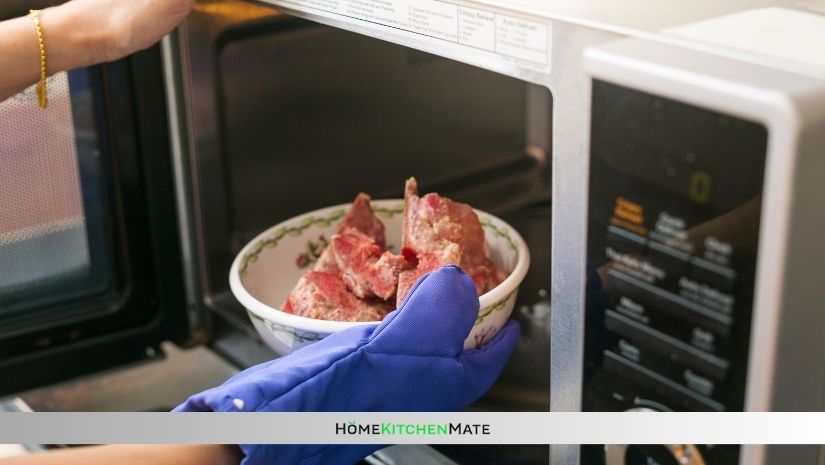
Are you in a rush and need to defrost beef quickly? You might be wondering if your microwave is the best tool for the job.
Defrosting beef in the microwave can save you time, but it’s not as simple as just pressing a button. If you want to keep your meat safe and tasty, you need to know the right way to do it. Keep reading, and you’ll discover how to defrost beef in the microwave without ruining your meal or risking your health.
Your next dinner will thank you!
Microwave Defrost Basics
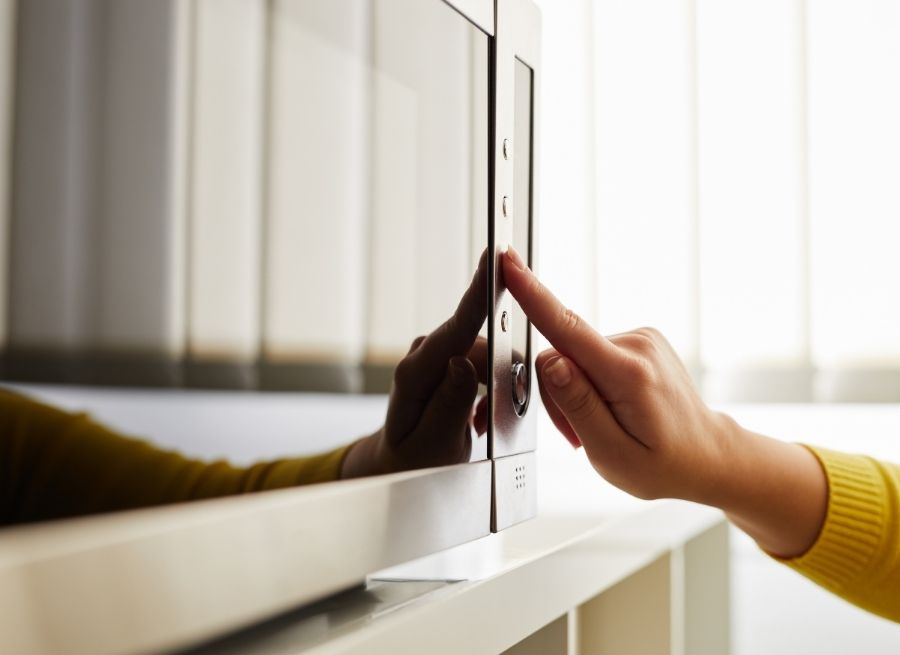
Microwaving beef to defrost it is a quick solution many of us turn to when time is tight. Understanding the basics of microwave defrosting can help you avoid partially cooked edges or a tough texture. Knowing how your microwave works and which settings to use will save you from frustration and ensure your beef thaws evenly and safely.
How Microwave Defrosting Works
Microwave defrosting uses low power to gently warm the frozen beef. Instead of cooking the meat, it targets the ice crystals inside, turning them back into water. This process usually takes a few minutes, depending on the weight and thickness of the beef.
The key is that microwaves heat unevenly, so some parts might start cooking while others remain frozen. You’ll need to pause and turn or separate the beef to avoid this. Have you ever noticed some spots in your steak getting warm while the rest is still icy? That’s why stirring or flipping the meat during defrosting is essential.
Types Of Microwave Defrost Settings
- Auto Defrost:Many microwaves offer an automatic defrost option where you enter the weight of the beef, and the microwave adjusts the time and power for you.
- Power Level Defrost:Manually selecting a low power level (usually 30% or 50%) lets you control the defrosting speed, helping prevent partial cooking.
- Time Defrost:You can set a specific time to defrost, but you must monitor and check the beef frequently to avoid over-thawing.
Using the right setting depends on your microwave and how much beef you’re thawing. Do you trust your microwave’s auto setting, or do you prefer to control the process yourself? Experimenting with these options will help you find the perfect balance for your kitchen.
Safety Tips For Defrosting Beef
Defrosting beef in the microwave can be a real time-saver, but it also raises some important safety concerns. To protect yourself and your family from foodborne illnesses, you need to follow specific safety tips. These tips help prevent harmful bacteria from growing and ensure your beef stays safe to eat after defrosting.
Avoiding Bacterial Growth
Bacteria multiply quickly when beef stays too long at room temperature. Microwaves heat unevenly, so some parts of the beef may start cooking while others remain frozen. This uneven thawing creates warm spots where bacteria can thrive.
To reduce this risk, defrost your beef on the microwave’s “defrost” setting and check it frequently. Rotate or flip the meat during the process to promote even thawing. If you see any edges cooking, pause the microwave and let the heat distribute before continuing.
Have you ever noticed a strange smell from partially defrosted beef? That’s often a sign bacteria have started to grow. Avoid this by limiting the defrost time and never leaving the meat out after microwaving.
Proper Handling After Defrosting
Once your beef is defrosted, it’s important to cook it immediately. Microwaving can bring some parts of the meat into the “danger zone” temperature range (40°F to 140°F), where bacteria multiply rapidly.
If you don’t plan to cook the beef right away, store it in the fridge for no longer than a few hours. Avoid refreezing defrosted beef unless you cook it first. This prevents the growth of bacteria that survive freezing but multiply during thawing.
Try to use a clean plate or container when moving defrosted beef to avoid cross-contamination. Have you ever left thawed meat on the counter for too long? It’s a common mistake, but a risky one that can spoil your meal and your health.
Quick Defrosting Techniques
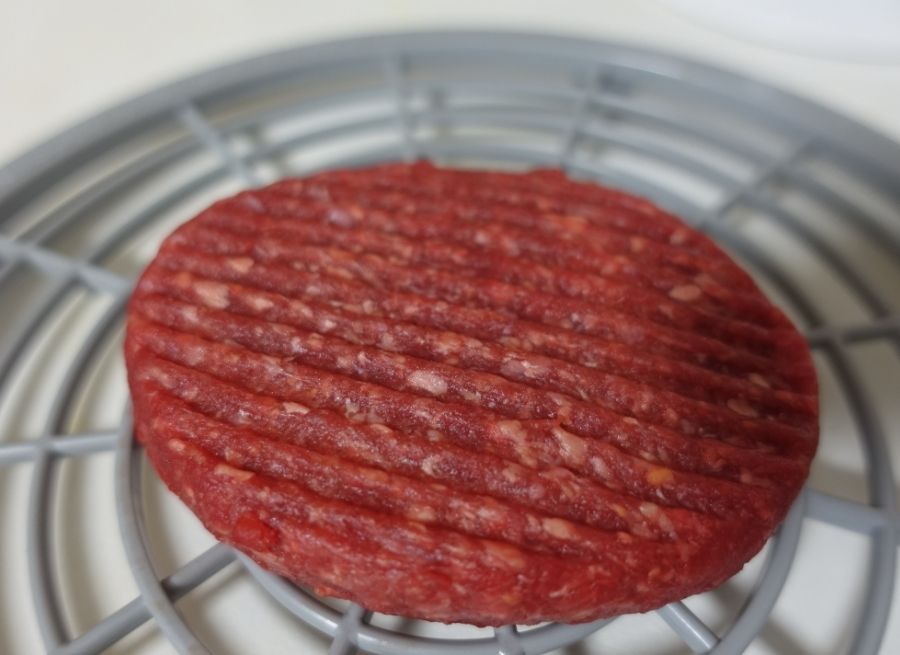
Quick defrosting techniques save time without sacrificing safety. Proper thawing keeps beef fresh and ready to cook. Microwaves offer a fast solution, but they need careful handling. Other fast thawing methods also work well for busy cooks. These tips help you prepare beef quickly and safely.
Step-by-step Microwave Method
- Remove beef from packaging to avoid chemicals leaching.
- Place beef on a microwave-safe plate to catch drips.
- Use the microwave’s defrost setting or set power to 30%.
- Microwave in short intervals of 1-2 minutes to check progress.
- Turn or flip the beef after each interval for even thawing.
- Stop once beef is soft but not cooked to avoid texture loss.
- Cook the beef immediately after defrosting to prevent bacteria growth.
Alternative Fast Thawing Options
- Place beef in a sealed plastic bag to prevent water damage.
- Submerge the bag in cold water, changing water every 30 minutes.
- Use this method for small or medium beef cuts for up to 2 hours.
- Use a pressure cooker’s steam function for faster thawing.
- Plan ahead with partial thawing in the refrigerator overnight.
- Avoid warm or hot water to prevent unsafe bacteria growth.
Frequently Asked Questions
Can You Safely Defrost Beef In The Microwave?
Yes, microwaving can safely defrost beef if done using the defrost setting and checking frequently.
How Long Does It Take To Defrost Beef In A Microwave?
Defrosting time varies by weight but usually takes 5 to 10 minutes per pound.
Does Microwaving Affect Beef Taste Or Texture?
Microwaving may slightly change texture, making beef less tender if overcooked during defrosting.
What Is The Best Microwave Setting To Defrost Beef?
Use the microwave’s “defrost” or low power setting to thaw beef evenly and safely.
Can You Cook Beef Immediately After Microwave Defrosting?
Yes, cook beef right after defrosting to prevent bacteria growth and ensure safety.
Is Microwave Defrosting Better Than Fridge Thawing?
Microwave defrosting is faster, but fridge thawing keeps beef quality better and is safer for longer times.
Conclusion
Defrosting beef in the microwave saves time and is quite simple. Use the defrost setting to avoid cooking the edges. Check the meat often to prevent uneven thawing. Cook the beef immediately after defrosting for safety. Avoid leaving beef at room temperature to stop bacteria growth.
This method works well for last-minute meal prep. Just follow these tips to defrost beef safely and quickly. Your meals stay tasty without long wait times. Easy, fast, and safe—microwave defrosting can fit your busy life.

Rachel Bennett is a passionate home cook, kitchen enthusiast, and the voice behind Home Kitchen Mate. With years of hands-on experience experimenting in the kitchen, she blends creativity and practicality to make cooking easier and more enjoyable for everyone.