Have you ever stopped to wonder if your gas stove could be putting your health at risk? Carbon monoxide is a hidden danger that many people don’t think about when cooking at home.
You might feel perfectly safe, but even a small leak or poor ventilation can cause serious problems without you realizing it. You’ll discover the truth about carbon monoxide poisoning from gas stoves, how to spot the warning signs, and what you can do to keep yourself and your loved ones safe.
Keep reading—your health could depend on it.
How Gas Stoves Emit Carbon Monoxide
Can You Get Carbon Monoxide Poisoning From A Gas Stove? Carbon monoxide is a colorless, odorless gas that can be deadly in high concentrations. Gas stoves can emit carbon monoxide if they are not properly installed, maintained, or ventilated. This can happen when gas stoves are used in poorly ventilated spaces.
Gas stoves are a common cooking source in many households worldwide. But did you know that they can also emit carbon monoxide, a deadly gas? It’s essential to understand how gas stoves emit carbon monoxide to stay safe. Carbon monoxide is a colorless, odorless gas that can be deadly in high concentrations. It’s produced when fuel, such as natural gas or propane, is burned incompletely. This incomplete combustion process can occur in gas stoves due to various factors.
Incomplete Combustion Process
The incomplete combustion process is the primary reason gas stoves emit carbon monoxide. This occurs when fuel is not burned efficiently, resulting in the production of carbon monoxide and other pollutants. Factors such as improper installation, faulty burners, or malfunctioning ventilation systems can contribute to this process.
Factors Increasing Co Emission
Several factors can increase carbon monoxide emission from gas stoves. These include:
- Malfunctioning or clogged burners
- Improper installation or maintenance
- Insufficient ventilation in the cooking area
- Using the wrong type of fuel or incorrect fuel pressure
- Old or worn-out stove components
These factors can lead to incomplete combustion, resulting in increased carbon monoxide production. It’s crucial to address these issues promptly to minimize the risk of carbon monoxide poisoning.
Symptoms Of Carbon Monoxide Poisoning
Recognizing the symptoms of carbon monoxide (CO) poisoning is crucial, especially if you use a gas stove at home. Carbon monoxide is a colorless, odorless gas that can sneak up on you without warning. Knowing the signs helps you act fast before the situation worsens.
Early Warning Signs
At first, symptoms of CO poisoning can feel like a mild flu or food poisoning. You might notice:
- Headachethat won’t go away
- Dizzinessor feeling lightheaded
- Nauseaor vomiting
- Fatigueor weakness without a clear cause
- Shortness of breatheven when resting
These early signs often get ignored because they seem common. But have you ever felt unusually tired or dizzy after cooking with your gas stove? That could be a red flag you shouldn’t overlook.
Severe Exposure Effects
If exposure continues or the level of carbon monoxide rises, symptoms can escalate quickly. You may experience:
- Confusion or difficulty concentrating
- Blurred vision
- Loss of coordination or difficulty walking
- Chest pain or rapid heartbeat
- Loss of consciousness
Severe exposure can lead to brain damage or even be fatal. If you or someone around you shows these signs, getting fresh air immediately and calling emergency services can save lives. Have you prepared a safety plan for emergencies like this?
Preventing Carbon Monoxide Risks
Preventing carbon monoxide risks in your home, especially around gas stoves, is crucial for your safety. Carbon monoxide is a silent threat—it can build up without warning and cause serious health problems. Taking practical steps to reduce this risk keeps your family safe and your mind at ease.
Proper Ventilation Techniques
Ventilation is your first line of defense against carbon monoxide buildup. Make sure your kitchen has an exhaust fan that vents outside, not just into another room. Opening a window while cooking can also help, especially if you don’t have a mechanical ventilation system.
Check that vents and ducts are clear of blockages. Even a small obstruction can cause dangerous gases to accumulate. Have you noticed your kitchen feeling stuffy or smelling like gas? That’s a sign ventilation needs improvement.
Regular Maintenance Tips
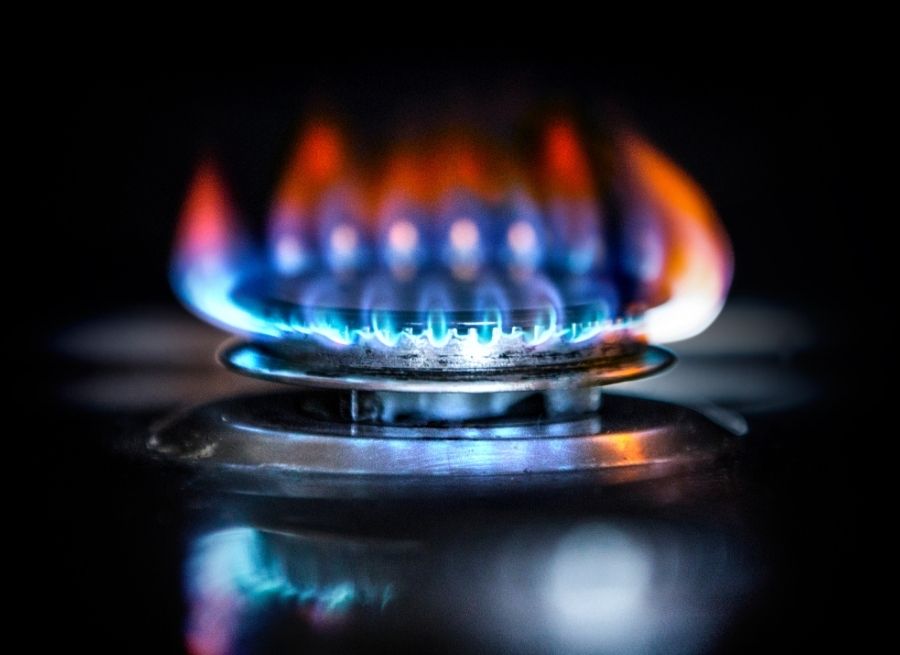
Keeping your gas stove in good shape helps prevent carbon monoxide leaks. Schedule an annual inspection with a certified technician to check burner flames, gas lines, and connections. Blue flames indicate proper burning; yellow or orange flames can mean incomplete combustion, which produces carbon monoxide.
Clean burners regularly to prevent dirt buildup that can cause poor combustion. Don’t ignore strange smells or unusual stove behavior—these can be early warnings. When was the last time you had your stove checked?
Using Detectors Effectively
Installing carbon monoxide detectors near your kitchen and sleeping areas is essential. Test them monthly and replace batteries twice a year. Detectors only work if they’re properly placed—avoid corners, and keep them at least 5 feet above the floor for best results.
Consider a combination smoke and carbon monoxide detector for broader protection. If your detector alarms, don’t assume it’s a false alert—leave your home immediately and call emergency services. Could a simple device be the difference between safety and danger in your home?
Frequently Asked Questions
Can A Gas Stove Cause Carbon Monoxide Poisoning?
Yes, gas stoves can produce carbon monoxide if not properly ventilated or maintained.
What Are The Symptoms Of Carbon Monoxide Poisoning?
Symptoms include headache, dizziness, nausea, weakness, and confusion.
How Can I Prevent Carbon Monoxide From My Gas Stove?
Use proper ventilation, maintain the stove regularly, and install a CO detector.
Is Carbon Monoxide From Gas Stoves Dangerous Indoors?
Yes, carbon monoxide can build up indoors and cause serious health risks.
How Often Should Gas Stoves Be Checked For Safety?
Gas stoves should be inspected by a professional at least once a year.
Can A Carbon Monoxide Detector Save Lives Near Gas Stoves?
Yes, detectors alert you to dangerous CO levels, helping prevent poisoning.
Conclusion
Gas stoves can produce carbon monoxide if not used properly. Poor ventilation increases the risk of poisoning. Always keep your kitchen well-ventilated while cooking. Installing a carbon monoxide detector is a smart safety step. Regular stove maintenance helps prevent dangerous gas leaks.
Knowing the symptoms of carbon monoxide poisoning can save lives. Take simple actions to protect your family today. Stay safe and enjoy your cooking without worry.

Rachel Bennett is a passionate home cook, kitchen enthusiast, and the voice behind Home Kitchen Mate. With years of hands-on experience experimenting in the kitchen, she blends creativity and practicality to make cooking easier and more enjoyable for everyone.