Have you ever wondered if you can make fresh juice using your blender? If you’re looking to enjoy healthy, homemade juice without buying an expensive juicer, this question is probably on your mind.
You might think a blender and a juicer are the same, but there’s more to it than meets the eye. Keep reading, because by the end of this article, you’ll know exactly how to turn your blender into a powerful tool for juicing—and why it might even be better than you expect.
Your next delicious, fresh juice could be just a few simple steps away!
Credit: www.cleaneatingkitchen.com
Juicing Vs Blending
Deciding between juicing and blending can shape how you enjoy your fruits and vegetables daily. Both methods transform whole produce into drinkable forms, but they do so in very different ways. Understanding these differences can help you choose what fits your lifestyle and nutritional needs best.
Key Differences
Juicing extracts the liquid from fruits and vegetables, leaving behind the pulp and fiber. This results in a smooth, nutrient-rich juice without any solid bits. Blending, on the other hand, pulverizes the entire fruit or vegetable, including the skin and fiber, into a thick, smoothie-like drink.
Think about it like this: juicing separates and discards fiber, while blending keeps everything together. This difference affects not just texture, but how your body processes the nutrients.
Nutritional Impact
Juicing often delivers a concentrated dose of vitamins and minerals in a smaller volume. Without fiber, nutrients absorb quickly, giving you a fast energy boost. However, the lack of fiber may cause a quicker spike in blood sugar.
Blending retains the fiber, which slows digestion and helps you feel full longer. Fiber also supports healthy digestion and can aid in regulating blood sugar. So, if you want sustained energy and fullness, blending might be the better choice.
Texture And Taste
Juices are usually thin and smooth, making them easy to drink quickly. They often taste brighter and sweeter since fiber doesn’t dilute the flavors. If you dislike pulp or chunkiness, juicing could be more enjoyable.
Smoothies from blenders have a thicker texture and can be more filling. You’ll notice the natural texture of the produce, which adds body to the drink. Some people love this, while others find it less refreshing than juice.
Have you tried both methods? What texture and taste do you prefer in your daily fruit and veggie drinks?
Credit: www.mapleandmango.com
Blender Juicing Techniques
Blender juicing techniques can transform your everyday blender into a powerful tool for making fresh, nutritious juice. Unlike traditional juicers, blenders retain all the fiber, which means you get more nutrients and a fuller texture. Mastering these techniques will help you create delicious blends that suit your taste and lifestyle.
Choosing The Right Ingredients
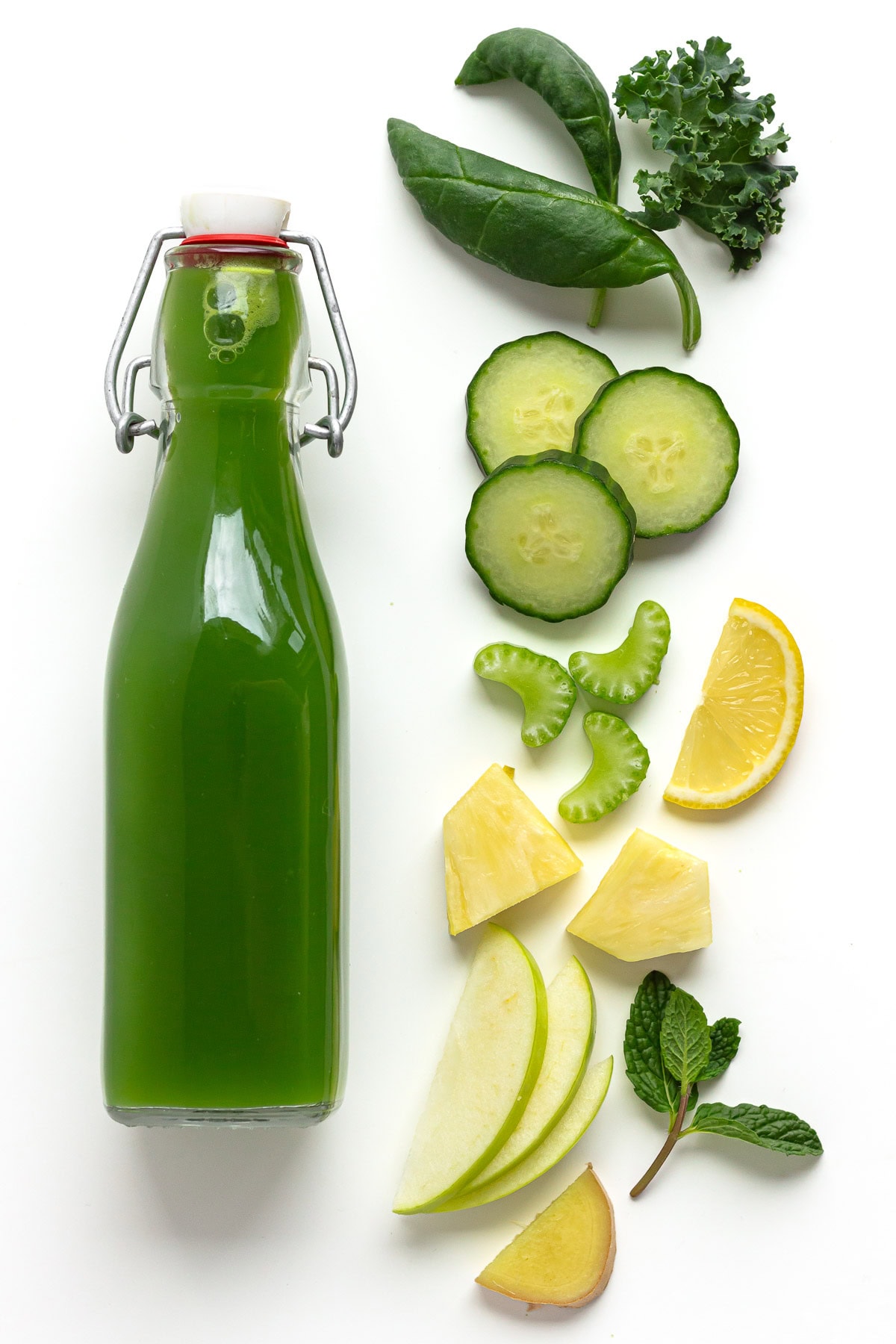
Select ingredients based on both flavor and texture. Soft fruits like berries, melons, and oranges blend smoothly, while harder vegetables such as carrots and beets add body and nutrients.
Leafy greens like spinach or kale are excellent for boosting vitamins but can taste bitter if overused. Experiment with combinations until you find a balance that excites your palate. Have you tried adding herbs like mint or basil for a fresh twist?
Preparing Fruits And Vegetables
Wash all produce thoroughly to remove dirt and pesticides. Chop ingredients into smaller pieces to help your blender work more efficiently.
Remove any seeds or pits that could damage the blades or create bitterness. For fibrous vegetables like celery, peeling can reduce stringiness in your juice. Don’t forget to consider the size of your blender’s jar when prepping.
Straining Methods
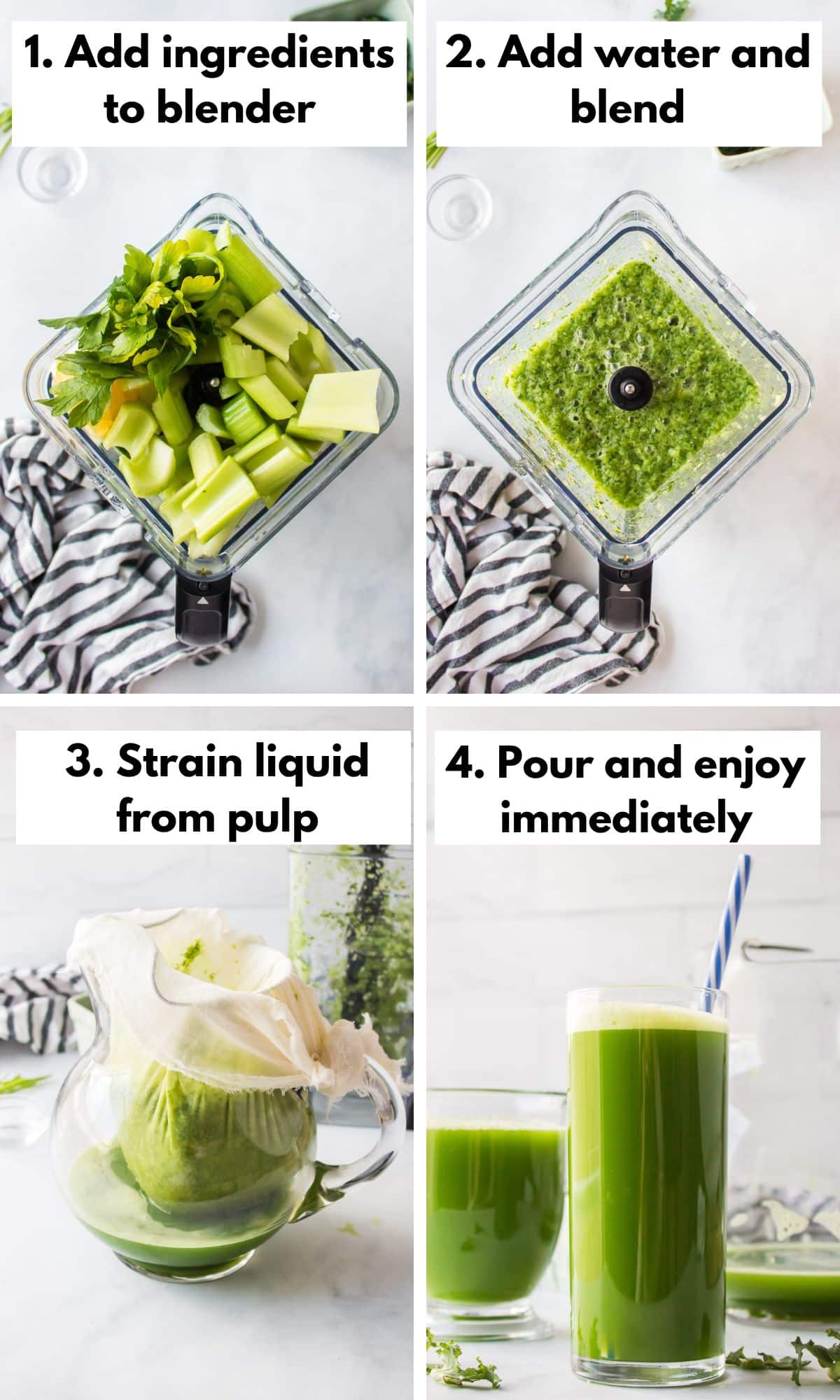
Blender juice often needs straining to achieve a smooth texture similar to traditional juice. Use a fine mesh strainer or cheesecloth to separate the pulp from the liquid.
Press the pulp gently with a spoon or spatula to extract every last drop. If you prefer a thicker drink, you can skip straining or save the pulp for soups or baking. How do you like your juice—smooth or with some pulp left in?
Tips For Perfect Homemade Juice
Making juice with a blender can be a game-changer, but getting it just right takes a bit of know-how. Your goal is to achieve a juice that tastes great, keeps nutrients intact, and stays fresh longer. These tips will help you make homemade juice that’s satisfying every time.
Balancing Flavors
Sweetness, tartness, and bitterness need to work together in your juice. If your juice tastes too sour, try adding a small piece of apple or a splash of orange juice for natural sweetness. On the other hand, if it’s overly sweet, adding a handful of spinach or cucumber can introduce a fresh, mild bitterness that balances the flavor.
Don’t be afraid to experiment with herbs like mint or basil. They add unique flavor notes without extra sugar or calories. How do you want your juice to make you feel—energized, calm, or refreshed? Let that guide your flavor choices.
Maximizing Nutrient Absorption
Blended juice keeps all the fiber, which helps your body absorb nutrients more slowly and steadily. To boost absorption, add a bit of healthy fat like avocado or a teaspoon of flaxseed oil. These fats help your body soak up fat-soluble vitamins such as A, D, E, and K.
Also, blending your juice just before drinking preserves most nutrients. If you leave it sitting for hours, vitamin C and other antioxidants begin to break down. Have you noticed how some juices lose their vibrant color after a while? That’s nutrient degradation in action.
Storage And Freshness
If you want to save juice for later, use an airtight glass container to minimize air exposure. Fill the container as much as possible to reduce oxygen inside. Store it in the coldest part of your fridge and aim to drink it within 24 hours for the best taste and nutrition.
A simple trick to keep your juice fresh longer is to add a little lemon juice. Its natural acidity acts as a preservative and brightens the flavor. What’s your experience with storing homemade juice? Finding a way to keep it fresh can make juicing less of a rush and more a daily habit.

Credit: www.youtube.com
Frequently Asked Questions
Can You Make Juice Using A Blender Instead Of A Juicer?
Yes, a blender can make juice by blending fruits and vegetables, but the texture is thicker.
How Do You Separate Juice From Pulp After Blending?
Use a fine strainer or cheesecloth to strain the blend and separate juice from the pulp.
Is Juice From A Blender As Healthy As From A Juicer?
Blender juice keeps all fiber, which is good for digestion, but juicer juice is smoother.
What Fruits And Veggies Work Best For Blender Juicing?
Soft fruits like berries, oranges, and leafy greens work well in a blender for juice.
Do You Need To Add Water When Juicing With A Blender?
Adding a little water helps blend the fruits and veggies smoothly and makes straining easier.
Can You Store Blender Juice For Later Use?
Store juice in an airtight container in the fridge; drink within 24 hours for freshness.
Conclusion
Blenders can make juice, but the texture differs from juicers. You get thicker drinks with more fiber and pulp. This means more nutrients stay in your glass. Cleaning a blender is usually easier and quicker. It also works well for smoothies and soups.
Choose what fits your needs and lifestyle best. Juicing with a blender is simple and cost-effective. Try it out and enjoy fresh, homemade drinks daily.

Rachel Bennett is a passionate home cook, kitchen enthusiast, and the voice behind Home Kitchen Mate. With years of hands-on experience experimenting in the kitchen, she blends creativity and practicality to make cooking easier and more enjoyable for everyone.