Have you ever grabbed your favorite glass cup to heat up your drink, then wondered, “Is this safe in the microwave?” You’re not alone. Many people hesitate because they’re unsure if glass cups can handle the heat or if they might shatter.
What if your cup cracks or worse, explodes? Before you risk ruining your drink or damaging your microwave, keep reading. This article will clear up the confusion and give you simple, practical answers so you can heat your drinks safely every time.

Credit: www.amazon.com
Microwaving Glass Cups
Microwaving glass cups is a common practice in many kitchens, but not all glass is created equal when it comes to microwave safety. Understanding which types of glass can handle the heat and which might crack or shatter is crucial to avoid accidents and protect your favorite cups. Let’s break down how you can identify microwave-safe glass cups and what to watch out for.
Types Of Glass Safe For Microwaves
Not all glass cups are suitable for microwave use. Tempered glass and borosilicate glass are two types that generally withstand microwave heat well.
- Tempered Glass:This glass is treated to be stronger and more resistant to heat. Brands like Pyrex often use tempered glass for their microwave-safe products.
- Borosilicate Glass:Known for its thermal resistance, borosilicate glass handles rapid temperature changes without cracking. It’s common in lab glassware and some kitchenware.
On the other hand, decorative glass, crystal, or glass with metallic paint or trims should never go in the microwave. These materials can spark or break easily, creating a hazard.
Signs A Glass Cup Is Microwave-safe
How can you tell if your glass cup is safe to microwave? Look for specific indicators on the cup or packaging before you place it in the microwave.
- Microwave-Safe Label:Many manufacturers label their products clearly. Check for a symbol or text that says “microwave safe.”
- Absence of Metallic Elements:Glass cups with metal rims, paint, or decorations are unsafe. Even small metallic details can cause sparks.
- Check the Temperature Resistance:If the cup is marked as heat-resistant or oven-safe, it’s generally safe for microwave use.
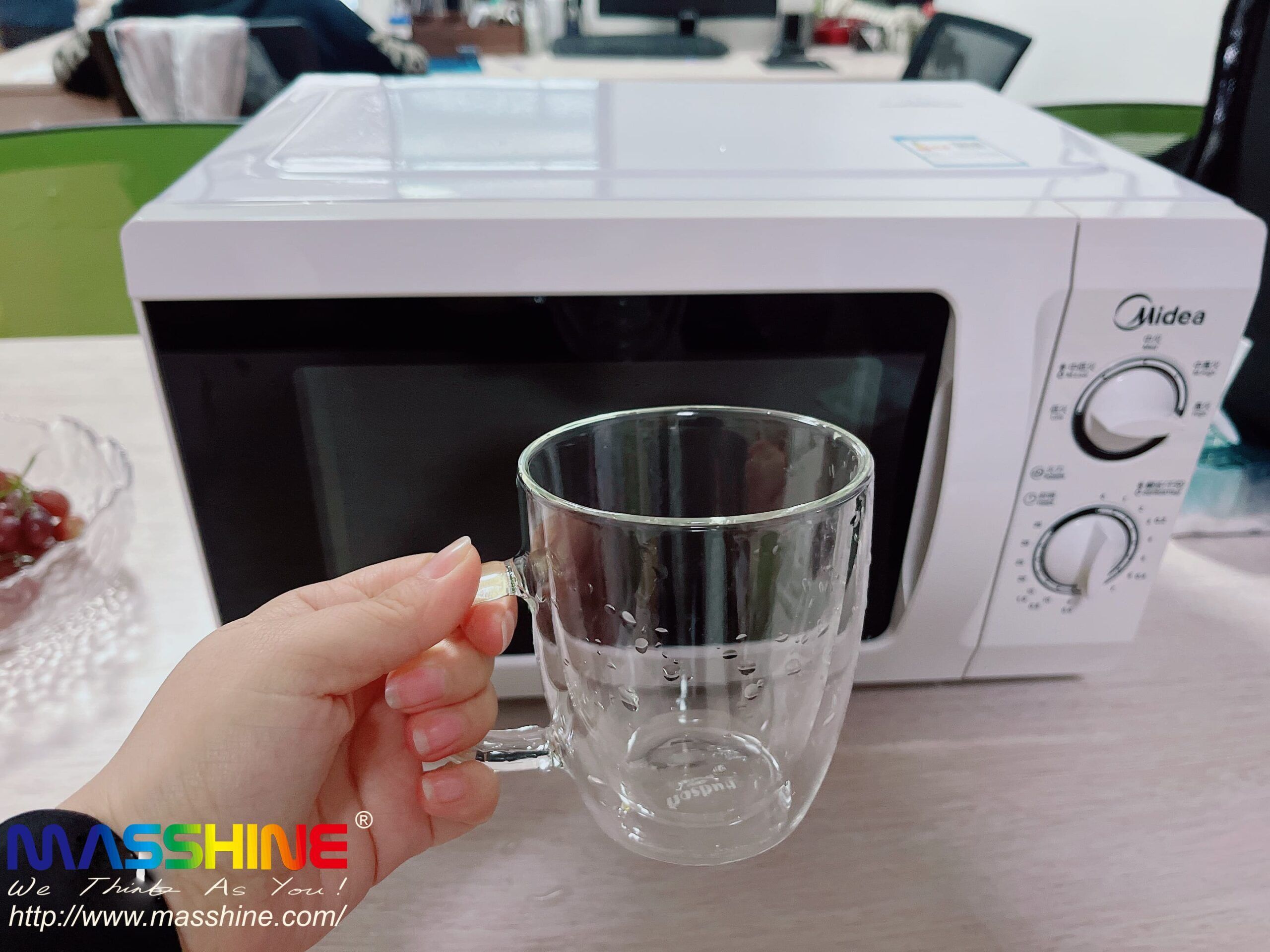
One simple test you can try is microwaving the empty cup for 20 seconds. If the glass stays cool or just slightly warm, it’s likely safe. If it gets very hot, it’s best not to microwave it with liquids inside.
Credit: www.diaridevic.com
Risks Of Microwaving Glass
Microwaving glass might seem harmless since glass is often thought to be heat-resistant. However, there are risks you should consider before putting your glass cup in the microwave. Understanding these dangers can help you avoid accidents and protect your kitchenware.
Potential For Cracks And Breakage
Not all glass cups are created equal. Some glassware isn’t designed to handle rapid temperature changes, which can cause cracks or even shattering when microwaved.
Have you ever noticed a spiderweb crack after heating a glass cup? This happens because the glass expands unevenly under microwave heat. Even if the cup doesn’t break immediately, these tiny cracks weaken the structure, increasing the risk of breakage later.
To reduce this risk, look for glass labeled as microwave-safe. If your cup feels hot quickly or unevenly, it’s a warning sign to stop using it in the microwave.
Chemical Leaching Concerns
Some glass cups have coatings or decorations that aren’t microwave-friendly. When microwaved, these materials can break down and leach chemicals into your drink.
This is especially true for older or decorative glassware with metallic paints or glazes. Even if the glass itself is safe, these additives might release harmful substances when heated.
Ask yourself: do you know what’s on your glass cup? If not, it’s safer to stick to plain, microwave-safe glassware to avoid chemical contamination.
Safe Microwaving Tips
Microwaving glass cups can be safe with simple precautions. Not all glass is designed for microwave use. Heating glass improperly causes cracks or breaks. Follow these tips to protect your cup and yourself.
Using Microwave-safe Labels
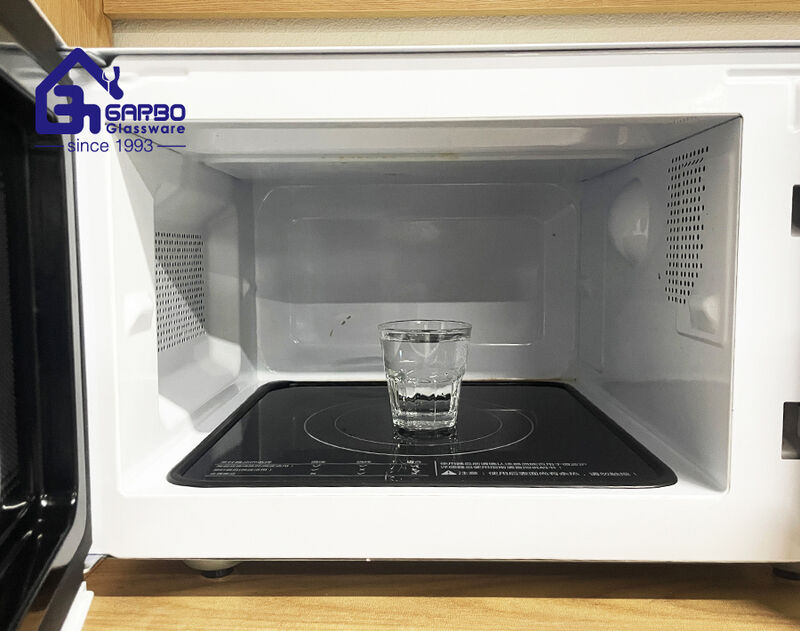
Check the glass cup for a microwave-safe label. This label means the glass can handle heat without damage. Avoid using glass without this mark. Some decorative or old glassware may not be safe. When in doubt, test the cup by heating it briefly with water inside. If it heats unevenly or becomes very hot, do not use it in the microwave.
Avoiding Sudden Temperature Changes
Glass can break from sudden heat changes. Do not put a cold glass cup directly into the microwave. Warm the glass gradually by placing it near room temperature first. Avoid taking the cup from the microwave and putting it on a cold surface. Use a cloth or trivet to protect it. These steps prevent thermal shock and keep your glass safe.
Best Practices For Heating Liquids
Heat liquids in the glass cup carefully. Use medium power settings to avoid overheating. Stir the liquid halfway through heating to spread heat evenly. Avoid overheating as it can cause boiling over or superheating. Let the cup sit for a few seconds after heating before removing. This helps avoid burns and spills.
Credit: www.garboglass.com
Frequently Asked Questions
Can All Glass Cups Be Microwaved Safely?
Not all glass cups are microwave-safe. Look for a microwave-safe label before heating.
Why Do Some Glass Cups Crack In The Microwave?
Rapid heating causes stress in glass, leading to cracks or breaks.
How To Check If A Glass Cup Is Microwave-safe?
Check the bottom for a microwave-safe symbol or manufacturer’s instructions.
Can Microwaving Glass Cups Cause Harmful Chemicals To Leak?
Microwaving glass cups does not release harmful chemicals if they are microwave-safe.
Is It Safe To Microwave Glass Cups With Metal Decorations?
No, metal decorations can spark and damage the microwave or glass cup.
What Happens If You Microwave A Glass Cup Without Liquid Inside?
Heating empty glass can cause the cup to overheat and possibly break.
Conclusion
Glass cups can usually go in the microwave safely. Check if the glass is labeled microwave-safe first. Avoid using glass with metal or cracks. Heat liquids carefully to prevent burns. Always use a microwave-safe plate or coaster under the glass.
Watch the cup while heating to stop any problems early. Simple rules help keep your glass cups and microwave safe. Enjoy your hot drinks without worry. Safe heating makes life easier.

Rachel Bennett is a passionate home cook, kitchen enthusiast, and the voice behind Home Kitchen Mate. With years of hands-on experience experimenting in the kitchen, she blends creativity and practicality to make cooking easier and more enjoyable for everyone.