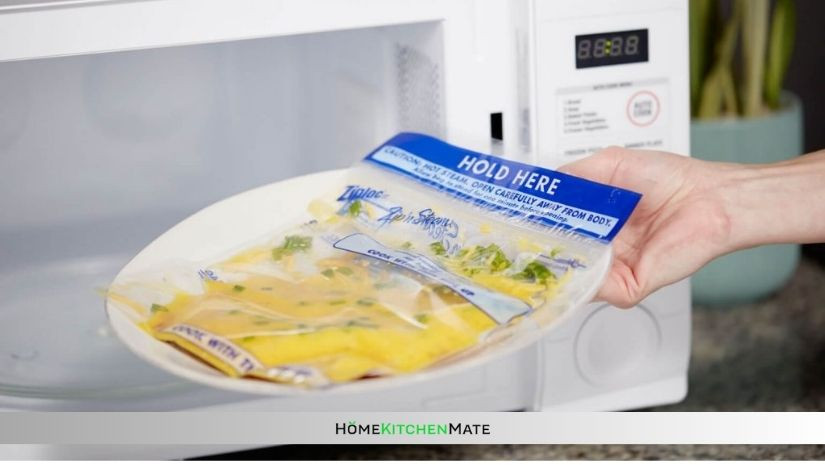
Have you ever wondered if you can microwave a Ziploc bag safely? If you’re like many people, you use Ziploc bags every day to store leftovers or pack snacks.
But when it comes to heating food, you might hesitate. Is it safe? Will the bag melt or release harmful chemicals? You’re about to find out the truth behind microwaving Ziploc bags—and what you should do to keep your food safe and your kitchen mess-free.
Keep reading to get clear answers and smart tips you can use right away.
Microwaving Basics For Ziploc Bags
Microwaving food in Ziploc bags is common for quick meals. Understanding the basics helps keep food safe and bags intact. Knowing how Ziploc bags react to heat prevents accidents and damage. Let’s explore key points about their material and heat limits.
Material Safety Of Ziploc Bags
Ziploc bags are made from polyethylene plastic. This plastic is food-safe and does not release harmful chemicals at low heat. The bags do not contain BPA or phthalates, which are harmful substances. Still, the plastic can melt or warp at high temperatures. Using bags designed for microwaving is safer than regular storage bags.
Heat Resistance Limits
Ziploc bags can handle heat up to about 212°F (100°C). This is the boiling point of water, so they are safe for reheating moist foods. Dry heat or temperatures above this can cause melting or release of fumes. Avoid direct contact with heating elements or microwave surfaces. Always leave the bag open or vented to allow steam to escape.
Safe Microwave Practices
Microwaving food in a Ziploc bag can be quick and convenient, but safety should always be your top priority. Understanding the right way to heat food in plastic bags helps avoid accidents and keeps your meal healthy. Let’s look at some easy and effective safety tips to keep in mind.
Proper Venting Techniques
Always create a small vent in the Ziploc bag before microwaving. This allows steam to escape and prevents the bag from bursting. You can do this by slightly unzipping the seal or poking a few tiny holes with a fork.
Have you ever experienced a bag exploding in the microwave? That’s usually because steam had nowhere to go. Proper venting keeps your microwave clean and your food safe.
Avoiding Chemical Leaching
Not all Ziploc bags are made for microwave use. Look for bags labeled “microwave safe” to reduce risks. Heating non-microwave-safe plastic can release harmful chemicals into your food.
Try to avoid heating greasy or oily foods in plastic bags, as oil can increase the chances of chemicals leaching. Instead, transfer food to a microwave-safe container when in doubt. Your health is worth the extra step.
Alternatives To Microwaving In Ziploc Bags
If you’re wondering about safe ways to reheat food without risking harmful chemicals from Ziploc bags, there are practical alternatives to consider. Microwaving in plastic bags can cause melting or leaching of chemicals. Finding the right container or technique can keep your food safe and tasty.
Using Microwave-safe Containers
Microwave-safe containers are designed to handle heat without releasing harmful substances. Glass and ceramic bowls are great options that evenly distribute heat. They don’t warp or melt, so your food stays uncontaminated.
Look for containers labeled “microwave-safe” on the bottom. Silicone containers are also flexible and safe for reheating leftovers. Using these containers means you don’t have to worry about chemicals seeping into your food.
Have you checked your kitchen cabinets for microwave-safe options? Sometimes, the best container is already in your cupboard, waiting to be used.
Reheating Tips Without Plastic
Reheating without plastic doesn’t have to be complicated. Cover your food with a microwave-safe plate or a damp paper towel to keep moisture in. This simple trick prevents drying out and speeds up heating.
You can also use microwave-safe lids or vented covers to avoid splatters. These covers help steam the food, making leftovers taste fresh instead of dried or rubbery.
If you want to avoid plastic altogether, try reheating food in a pot on the stove or in the oven. This method takes longer but can enhance flavors and textures in a way microwaves sometimes can’t.
How often do you think about the materials your food touches during reheating? Small changes like these protect your health and improve your meal’s quality.
Frequently Asked Questions
Can You Microwave A Ziploc Bag Safely?
Only use Ziploc bags labeled microwave-safe to avoid melting and chemicals.
How Long Can Ziploc Bags Stay In The Microwave?
Heat for short periods, usually under 2 minutes, to prevent damage.
What Happens If You Microwave A Regular Ziploc Bag?
It may melt, release toxins, or catch fire—unsafe and not recommended.
Can Food In Ziploc Bags Heat Evenly In The Microwave?
No, plastic bags do not heat food evenly; use microwave-safe containers.
Are All Ziploc Bags Microwave-safe?
No, only specific Ziploc bags say “microwave-safe” on the package.
How To Microwave Food In A Ziploc Bag Properly?
Leave the bag open or poke holes to let steam escape safely.
Conclusion
Microwaving a Ziploc bag can be safe with care. Use only bags labeled microwave-safe. Avoid sealing the bag tightly to let steam escape. Watch food closely to prevent melting or burns. Small holes can help release steam safely. Do not use old or damaged bags.
Always follow the manufacturer’s instructions. This helps keep food fresh and safe. Simple steps make microwaving easy and worry-free. Stay cautious and enjoy quick meals without trouble.

Rachel Bennett is a passionate home cook, kitchen enthusiast, and the voice behind Home Kitchen Mate. With years of hands-on experience experimenting in the kitchen, she blends creativity and practicality to make cooking easier and more enjoyable for everyone.