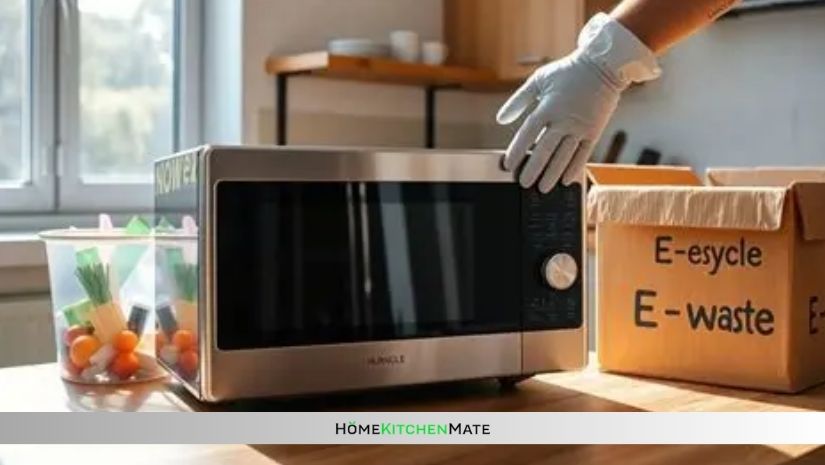
Have you ever wondered what to do with an old microwave that no longer works? You might be tempted to just toss it in the trash and be done with it.
But is that really the best choice for you and the environment? Before you throw that microwave away, there are important things you should know. Keep reading to find out the right way to get rid of your microwave safely and responsibly—this could save you time, money, and even help protect the planet.
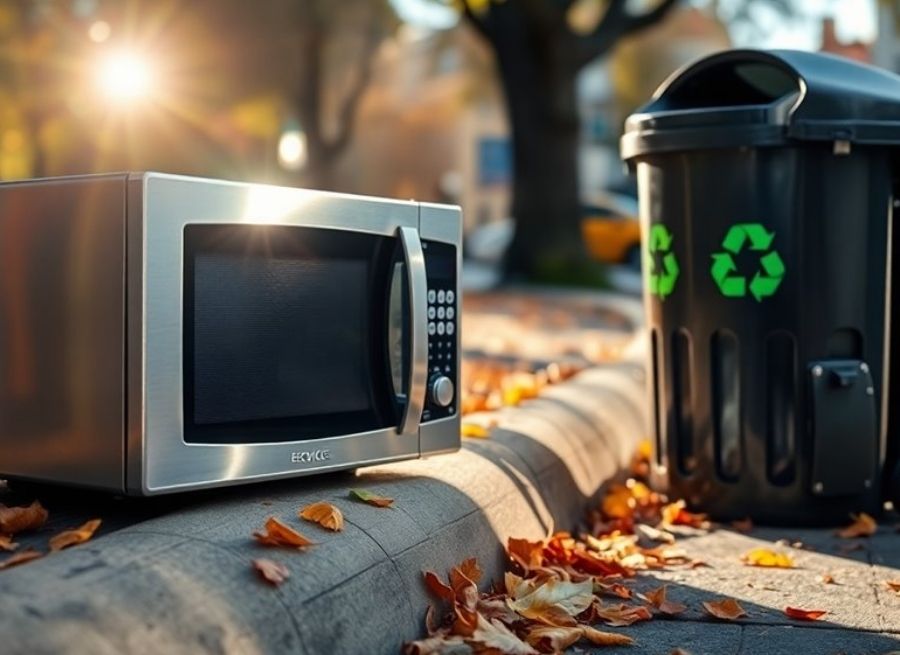
Why Microwaves Need Special Disposal
Microwaves contain parts that need careful handling when thrown away. These appliances hold materials and chemicals that can harm people and the environment. Throwing microwaves in regular trash can cause serious problems. Safe disposal protects health and nature. Understanding why microwaves need special disposal helps us make better choices.
Hazards Of Improper Disposal
Microwaves have metal, glass, and electronic parts. These parts can leak dangerous substances if broken. Chemicals like lead and mercury may be inside. They can cause health risks for workers and animals. Sharp metal edges can injure garbage handlers. Burning microwaves releases toxic fumes into the air. These hazards show why microwaves need careful disposal.
Environmental Impact
Microwaves contain materials that do not break down easily. Throwing them in landfills can pollute soil and water. Harmful chemicals can seep into groundwater. Wildlife can get sick from these toxins. Recycling parts reduces waste and saves resources. Proper disposal helps keep the environment clean and safe. It prevents pollution and protects ecosystems.
Safe Ways To Dispose Of Microwaves
Disposing of a microwave safely is more important than many realize. Tossing it in the regular trash can harm the environment due to hazardous materials inside. You have better options that protect both your community and the planet.
Recycling Centers And Programs
Many cities have recycling centers that accept microwaves. These centers dismantle the appliance to recover valuable metals and parts.
Check your local waste management website for special e-waste collection days. These programs often accept microwaves free of charge.
Some retailers offer take-back programs when you buy a new microwave. They handle disposal responsibly, so you don’t have to worry about it ending up in a landfill.
Donation And Reuse Options
Is your microwave still working? Consider donating it instead of throwing it away.
Local charities, shelters, or community centers may welcome functional appliances. Your old microwave can serve someone in need and extend its life.
If you feel adventurous, online platforms let you give away items for free or sell them cheaply. This reduces waste and benefits others.
Steps To Prepare A Microwave For Disposal
Preparing a microwave for disposal takes care and attention. Proper steps protect the environment and ensure safe handling. Taking time to remove harmful parts and pack the appliance correctly matters.
Removing Hazardous Components
Microwaves contain parts that can be dangerous if not handled well. The first step is to unplug the microwave and disconnect it from power. Avoid touching the internal parts without knowledge.
Some components to watch for include:
- The capacitor, which stores electric charge.
- The magnetron, responsible for cooking microwaves.
- Electronic circuit boards with heavy metals.
These parts should be removed carefully or left to a professional. Do not throw them in the regular trash as they can harm the environment.
Cleaning And Packaging Tips
Cleaning the microwave helps reduce odors and mess during disposal. Wipe the inside and outside with a damp cloth and mild soap.
Dry the appliance completely to avoid mold or rust. Make sure no food or residue remains inside.
For packaging, follow these tips:
- Wrap the microwave in old newspaper or bubble wrap.
- Use a sturdy box to hold the microwave securely.
- Label the package clearly if hazardous parts remain inside.
Proper packaging keeps workers safe and prevents damage during transport.
Frequently Asked Questions
Can I Throw A Microwave In The Regular Trash Bin?
No, microwaves contain harmful parts and should not go in regular trash bins.
Where Should I Dispose Of An Old Microwave Safely?
Take it to a local recycling center or an electronic waste drop-off site.
Is It Illegal To Throw Microwaves In The Trash?
Many places have laws against disposing of microwaves in regular trash due to safety rules.
Can A Microwave Be Recycled For Free?
Some recycling centers accept microwaves for free, but check local rules first.
How Do I Prepare A Microwave For Disposal?
Unplug it, remove any food, and check local guidelines before dropping it off.
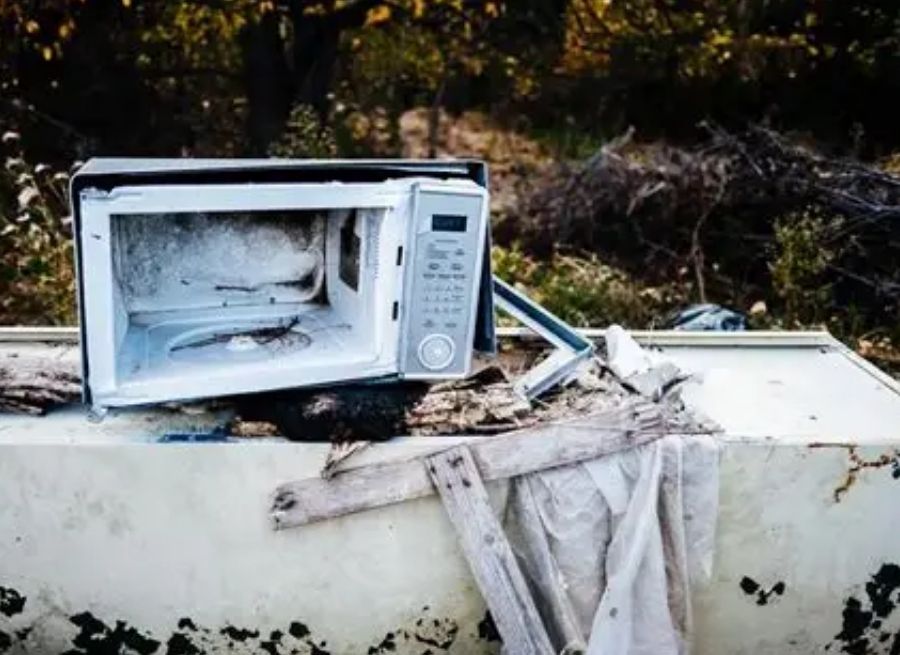
What Happens If I Throw A Microwave In The Landfill?
Toxic chemicals can leak and harm the environment when microwaves go to landfills.
Conclusion
Throwing a microwave in the trash is not the best choice. Microwaves have harmful parts that can pollute the environment. Many places offer special recycling for old electronics. You can check local recycling centers or waste programs. Proper disposal helps keep your community clean and safe.
It also saves valuable materials from waste. Think twice before tossing your microwave in the trash. Small actions make a big difference for the planet. Choose recycling to protect nature and future generations.

Rachel Bennett is a passionate home cook, kitchen enthusiast, and the voice behind Home Kitchen Mate. With years of hands-on experience experimenting in the kitchen, she blends creativity and practicality to make cooking easier and more enjoyable for everyone.