
Are you planning to move your refrigerator but wondering if you can lay it on its back during transport? It’s a common question that many people face when shifting homes or rearranging their kitchen.
You might think it’s an easy way to fit it into a moving truck, but is it really safe for your appliance? What could happen if you do? Keep reading to find out the surprising facts about transporting refrigerators on their backs—and how to avoid costly mistakes that could damage your fridge and empty your wallet.
Your next move just got a lot clearer.
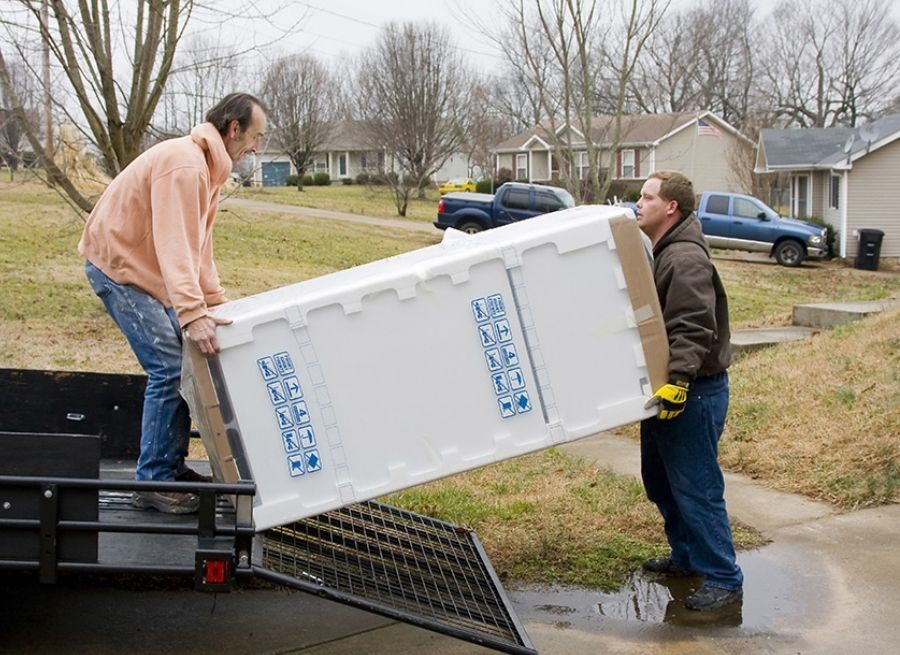
Risks Of Laying A Refrigerator Flat
Laying a refrigerator flat during transport might seem like a quick fix, but it comes with several risks that can cause serious damage. Many people overlook these dangers until their appliance stops working properly. Understanding what can go wrong helps you avoid costly repairs and keeps your fridge running smoothly.
Compressor Oil Leakage
The compressor contains oil that lubricates its moving parts. When a refrigerator is laid flat, this oil can flow out of the compressor and into the cooling lines. This disrupts the refrigeration cycle and can cause the compressor to fail.
Have you ever noticed your fridge not cooling after a move? This oil leakage might be the reason why. It’s not always visible, but the damage inside is real and expensive to fix.
Damaged Cooling System
The cooling system relies on refrigerant flowing through narrow tubes. Laying the fridge on its back can cause the refrigerant to pool incorrectly or trap air pockets. This leads to inefficient cooling or complete failure of the cooling system.
Think about your last move—did you lay your fridge down? If so, it might explain why your fridge struggles to keep food cold afterward.
Internal Component Stress
Refrigerators are designed to stand upright, so their internal parts are secured accordingly. When you lay a fridge flat, you put extra pressure on shelves, door seals, and wiring. Over time, this can cause cracks, leaks, or electrical shorts.
Have you ever noticed a door seal not closing properly after transport? That might be because of stress caused by laying the unit flat.
Risk Of Mold And Odors
When oil and refrigerant mix improperly, moisture can build up inside the fridge. This creates an environment where mold and unpleasant odors develop quickly. Cleaning mold inside a fridge is tough and can affect your food safety.
Would you want to store your groceries in a fridge smelling musty or contaminated? Avoid laying your fridge flat to keep it fresh and safe.
Longer Restart Time
If you do lay your refrigerator flat, it’s crucial to wait several hours before plugging it back in. This allows oils and refrigerants to settle back into place. Ignoring this waiting period can cause immediate damage once the compressor runs again.
How long did you wait before turning your fridge on after moving it? A short wait can save you from expensive repairs.
Safe Methods For Moving Refrigerators
Moving a refrigerator requires care to avoid damage. Proper handling keeps the appliance working well. Using safe methods reduces risks during transport. These tips help keep your refrigerator safe and secure.
Keep The Refrigerator Upright
Always move the fridge standing up. This prevents oil from flowing out of the compressor. Lying it down can cause damage inside. Keep it vertical for better safety.
Secure Doors And Loose Parts
Close and tape the doors shut. Remove loose shelves and drawers. Wrap these parts separately with padding. This prevents them from shifting or breaking.
Use A Dolly Or Hand Truck
Place the fridge on a dolly for easier movement. Secure it with straps to avoid falls. Push gently and avoid sudden moves. This method reduces injury and damage risk.
Protect The Exterior With Padding
Wrap the fridge in blankets or foam. This shields it from bumps and scratches. Use straps to keep the padding in place. Protecting the surface keeps the fridge looking new.
Allow Time To Settle After Moving
Let the refrigerator stand upright for several hours. This allows fluids to settle back inside. Plug it in only after this waiting period. This step ensures proper operation after transport.
Steps To Prepare Before Transporting
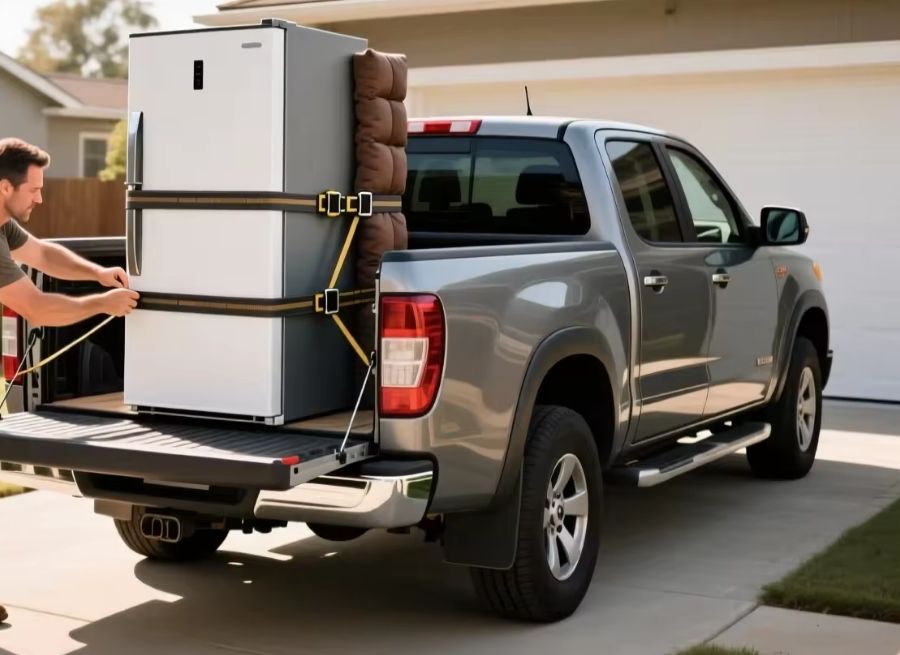
Preparing your refrigerator before moving it, especially if you plan to transport it on its back, is crucial. The right preparation can prevent damage and ensure the appliance works properly once it’s in its new spot. You want to take simple, clear steps that protect both the fridge and your peace of mind.
Empty And Defrost The Refrigerator
Start by removing all the food and shelves inside your fridge. Leftover items add weight and can shift during transit, causing damage.
Defrosting the fridge is essential to avoid water leakage. Unplug it and leave the doors open for a few hours until all the ice melts away. Have towels ready to soak up any water.
Secure Doors And Loose Parts
Make sure the fridge doors are tightly closed to prevent them from swinging open. Use strong tape or straps to hold them firmly in place.
Remove any loose parts like shelves, drawers, or ice trays. Pack these separately to avoid them getting damaged or breaking inside the fridge.
Protect The Exterior And Corners
Wrap your refrigerator in moving blankets or thick padding. This helps protect against scratches and dents during transport.
Pay special attention to the corners and edges by adding extra padding. These areas are most vulnerable when loading and unloading.
Consider The Position For Transport
Think carefully about how you will position the fridge during the move. Laying it flat on its back might seem easier, but it can cause oil from the compressor to flow into the cooling lines.
Ask yourself: Is there a way to keep it upright or at least tilted? If not, you need to prepare for extra waiting time before plugging it back in.
Allow Time To Settle After Moving
If you do have to transport the fridge on its back, don’t rush to plug it in once you arrive. Give it at least 4 to 24 hours to let the fluids settle back into place.
This waiting period can save you from costly repairs. Patience here means your fridge will run smoothly again.
Frequently Asked Questions
Can You Lay A Refrigerator Flat For Moving?
Laying a fridge flat can cause oil to flow into cooling tubes, risking damage to its compressor.
How Long Should A Refrigerator Rest After Laying Down?
Let the fridge stand upright for 4 to 24 hours before plugging it in to let fluids settle.
What Are The Risks Of Transporting A Fridge On Its Back?
Transporting a fridge on its back can cause compressor failure and cooling issues.
Is It Safer To Move A Refrigerator Upright?
Moving a fridge upright keeps oils in place and protects its internal parts.
Can Refrigerators Be Damaged By Tilting During Transport?
Tilting too much can move oil into wrong areas, harming the fridge’s function.
What Is The Best Way To Move A Refrigerator Safely?
Secure the fridge upright, avoid tilting, and let it rest before turning it on.
Conclusion
Transporting a refrigerator on its back can cause damage. Oil from the compressor may flow into the cooling lines. This can stop the fridge from working properly. Always try to keep the fridge upright during moves. If you must lay it down, wait several hours before plugging it in.
This helps the oil settle back where it belongs. Taking these steps protects your appliance and saves money. Safe moving means a working fridge when you arrive. Remember, careful handling makes all the difference.

Rachel Bennett is a passionate home cook, kitchen enthusiast, and the voice behind Home Kitchen Mate. With years of hands-on experience experimenting in the kitchen, she blends creativity and practicality to make cooking easier and more enjoyable for everyone.