Have you ever wondered if your blender can do the job of a juicer? If you’re looking to enjoy fresh, homemade juice but don’t want to buy another kitchen gadget, this question is probably on your mind.
You might be surprised by what your blender can really do—and what it can’t. By the end of this article, you’ll know exactly how to use your blender to make juice, save money, and avoid common mistakes that could ruin your drink.
Keep reading to unlock the secrets to turning your blender into a juice maker!
Blender Vs Juicer: Key Differences
Choosing between a blender and a juicer depends on what you want from your drink. Both machines prepare fruits and vegetables but in different ways. Knowing their key differences helps in picking the right one for your needs.
How Blenders Work
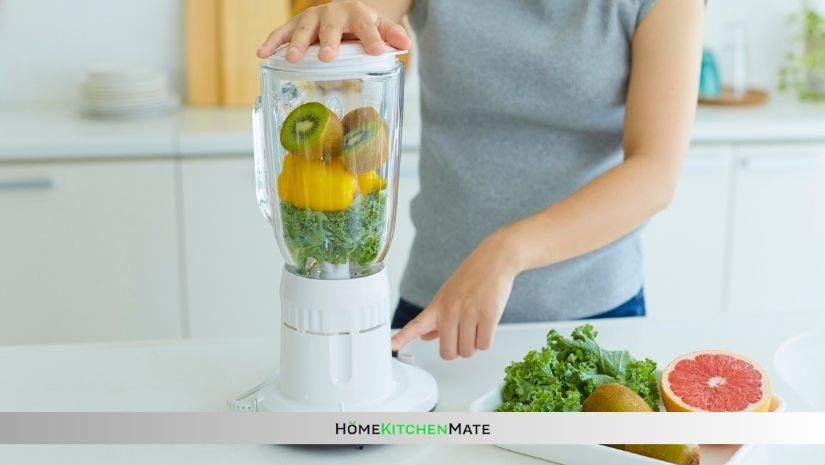
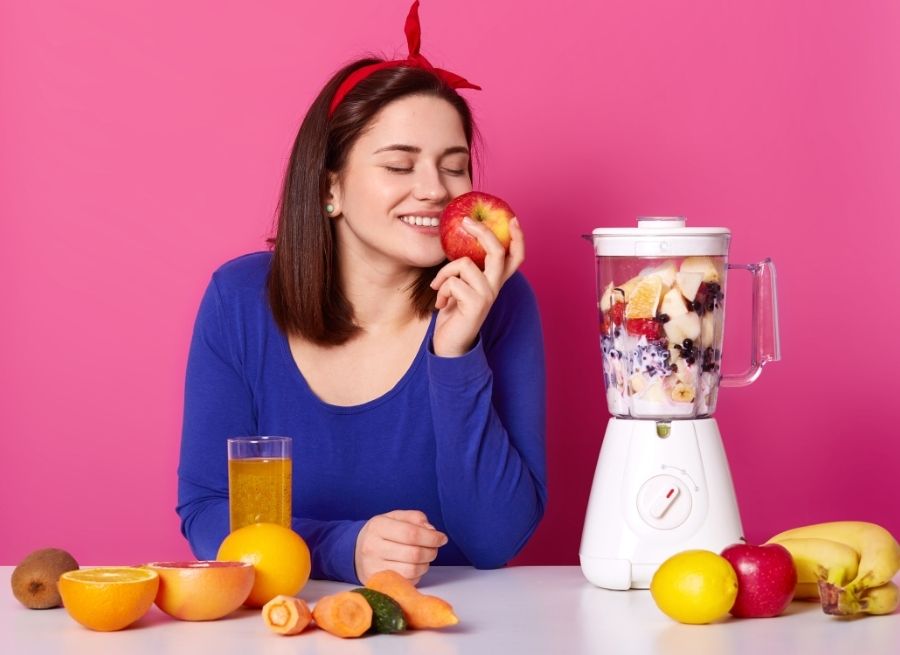
Blenders use fast-spinning blades to chop and mix whole fruits and vegetables. They break down the fiber and pulp, creating a thick, smooth drink. The entire ingredient is used, so nothing is wasted.
Blenders keep the fiber intact, which helps digestion and keeps you full longer. They can also blend frozen fruits or make smoothies with yogurt or milk added.
How Juicers Work
Juicers extract liquid from fruits and vegetables by separating the juice from the pulp. They come in two types: centrifugal and masticating. Centrifugal juicers use a fast spinning blade to shred produce.
Masticating juicers crush and press the ingredients slowly to get more juice. Both types remove most of the fiber, leaving behind a thin, smooth juice.
Texture And Nutrient Variations
- Blender drinks are thicker and contain all the fiber from the produce.
- Juicer drinks are thinner and smoother but have less fiber.
- Blended drinks may feel heavier and more filling.
- Juiced drinks absorb faster into the bloodstream because they lack fiber.
- Blending keeps all nutrients, including fiber; juicing focuses on vitamins and minerals in liquid.
Using A Blender As A Juicer
Using a blender as a juicer is a practical option if you don’t have a dedicated juicing machine. While blenders don’t separate juice from pulp automatically, they allow you to create fresh, homemade juice by blending fruits and vegetables into a smooth mixture. The key is knowing which produce to use and how to handle the pulp afterward.
Best Fruits And Vegetables To Blend
Choose fruits and vegetables that have high water content for easier blending and juicing. Watermelon, cucumbers, oranges, and grapes work great because they blend into a smooth liquid quickly. Apples, carrots, and berries also blend well but might need a bit more effort to extract juice.
Avoid fibrous or very hard produce like pineapple cores or celery stalks, as they can be tough on your blender and harder to strain. Soft fruits like mangoes or peaches add natural sweetness and smoothness to your juice mix.
Techniques To Extract Juice
Start by chopping your produce into small pieces to help your blender work efficiently. Add a small amount of water or coconut water to help the blades move smoothly and create a more liquid consistency.
Blend on high speed until everything turns into a smooth puree. You might want to stop and stir the mixture a couple of times to ensure even blending. This technique gives you a thick juice base that still contains pulp.
Tools To Separate Pulp And Juice
Once blended, you’ll need to separate the juice from the pulp if you prefer a clearer drink. Use a fine mesh strainer or cheesecloth to pour the mixture through. Press the pulp gently to squeeze out as much juice as possible.
- Fine mesh strainer:Easy to find and simple to use, it works best for coarse pulp.
- Cheesecloth or nut milk bag:Offers better filtration for a smoother juice.
- Spoon or spatula:Helps press the pulp to extract more liquid.
Have you tried blending your favorite fruit and vegetable combos? Experimenting with different tools and techniques might surprise you with how fresh and tasty your homemade juice can be!
Tips For Optimal Juice With A Blender
Using a blender as a juicer requires some smart tricks. These tips help you get the best juice with your blender. Focus on texture, cleaning, and taste for a great experience.
Adjusting Consistency
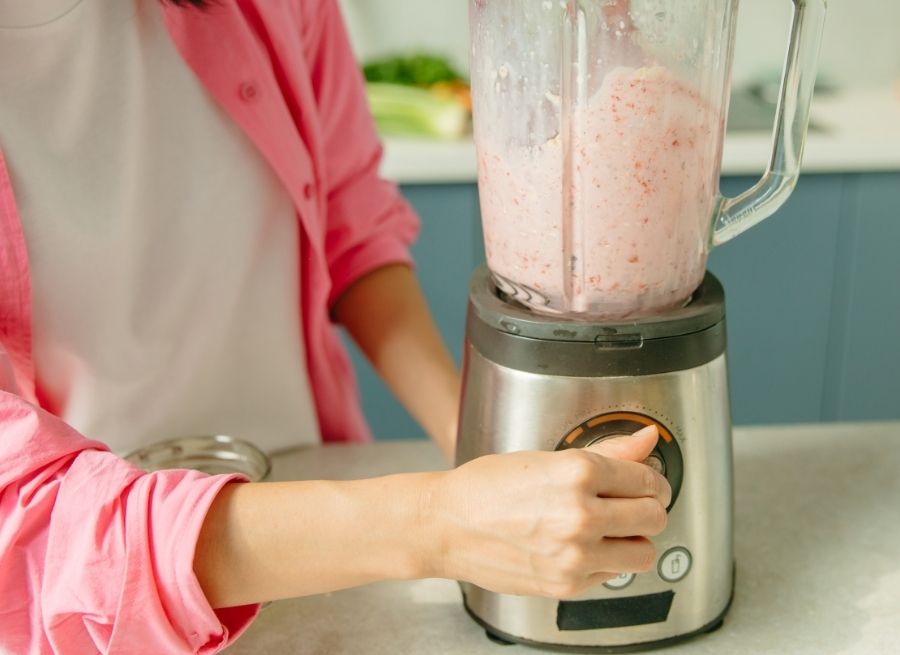
Blended juice can be thick. Add water or ice to thin it out. Blend again for smoothness. Strain through a fine mesh or cheesecloth to remove pulp. For a thicker drink, keep some pulp in. Test small amounts to find your favorite texture.
Cleaning And Maintenance
Clean your blender right after use. Rinse with warm water to stop pulp from drying. Use dish soap and a soft brush for blades and jar. Avoid harsh cleaners that damage parts. Regular cleaning keeps the blender fresh and working well.
Enhancing Flavor And Nutrition
Combine fruits and veggies for balanced flavors. Add lemon or ginger to brighten taste. Use fresh ingredients for better nutrients. Include leafy greens for extra vitamins. A pinch of salt or honey can improve the flavor. Blend small batches to keep juice fresh and tasty.
Frequently Asked Questions
Can A Blender Replace A Juicer For Fruit Juice?
A blender can make juice but keeps the pulp, unlike a juicer which separates it.
How Do Blender Juices Differ From Juicer Juices?
Blender juices are thicker and contain more fiber because they blend the whole fruit.
Is It Healthy To Use A Blender Instead Of A Juicer?
Yes, blender juices have more fiber, which helps digestion and keeps you full longer.
Can A Blender Handle Leafy Greens Like A Juicer?
Blenders can blend leafy greens but may leave chunks; juicers extract smooth green juice.
Do Blenders Save Time Compared To Juicers?
Blenders are faster to use and clean but may require straining for smoother juice.
What Types Of Fruits Work Best In A Blender For Juice?
Soft fruits like berries and citrus blend well; harder fruits may need chopping first.
Conclusion
A blender can work like a juicer for many fruits and vegetables. It blends whole ingredients, keeping the fiber inside. This makes drinks thicker and more filling. You might need to strain the juice to remove pulp if you want it clear.
Blenders are easier to clean than some juicers. For fresh juice, a juicer may give better results. Still, a blender is a good choice for simple, quick juice at home. Try both and see what fits your needs best.

Rachel Bennett is a passionate home cook, kitchen enthusiast, and the voice behind Home Kitchen Mate. With years of hands-on experience experimenting in the kitchen, she blends creativity and practicality to make cooking easier and more enjoyable for everyone.