Have you ever stood in your kitchen wondering if your food processor can do the job of a blender? You’re not alone.
Many people face this exact question when they want to save time, space, or money. But before you start tossing ingredients into your food processor, it’s important to know what it can—and can’t—do. Keep reading to discover the surprising truth about using a food processor as a blender and how it could change the way you prepare your meals.
You might be closer to a kitchen hack than you think.

Credit: nutritionrefined.com
Differences Between Food Processors And Blenders
Understanding the differences between food processors and blenders helps you decide if you can swap one for the other in your kitchen tasks. While both appliances chop and mix ingredients, their design and function are tailored to different needs. Let’s break down how these tools vary and what that means for your cooking.
Design And Blade Variations
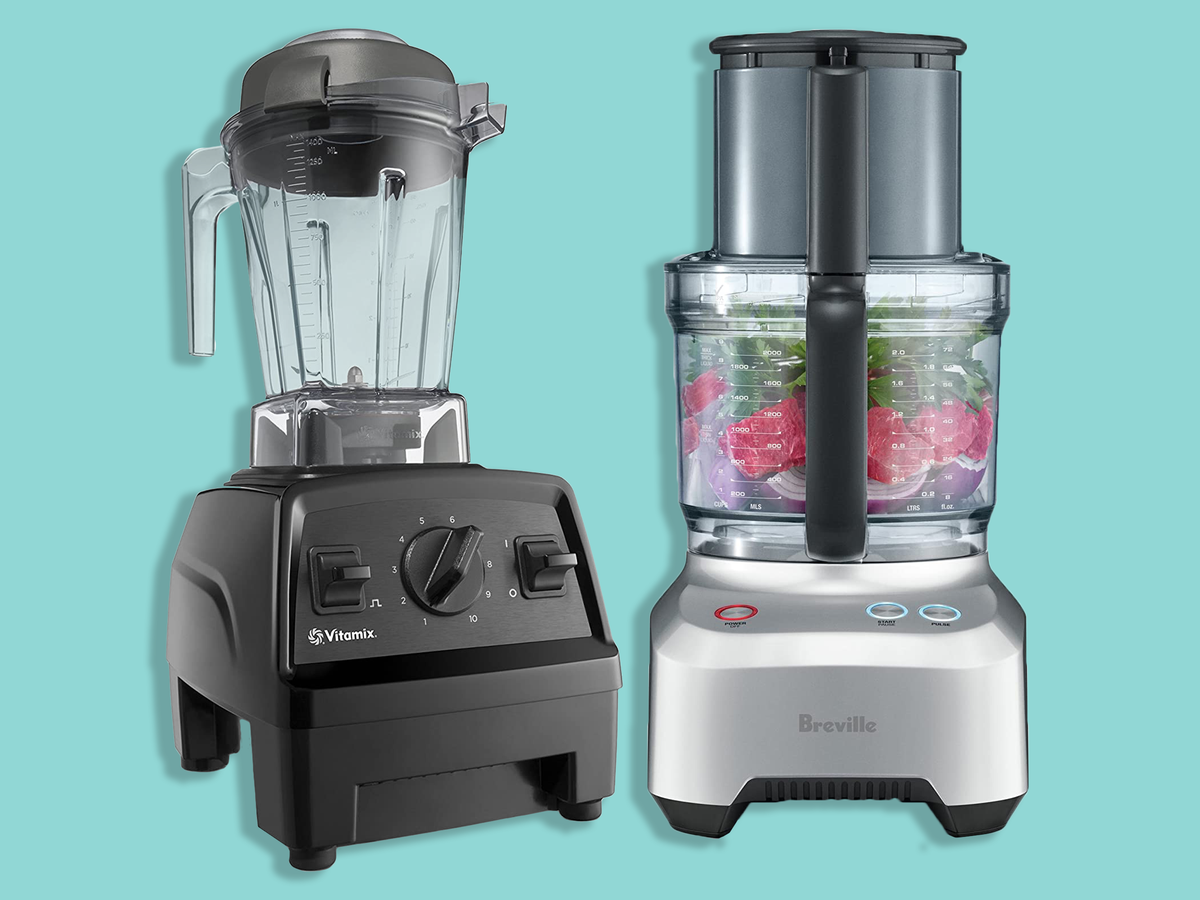
Food processors usually have wide, short bowls with sharp, flat blades designed for chopping, slicing, and shredding. Their blades are often removable and come in different shapes to handle various textures.
Blenders feature tall, narrow jars with fixed blades that are angled to create a vortex, pulling ingredients down for smooth blending. The blades are generally less sharp but spin faster to crush ice and break down liquids.
Typical Uses And Functions
Food processors excel at tasks like kneading dough, chopping vegetables, or shredding cheese. They give you more control over texture and allow for pulsing actions to prevent over-processing.
Blenders are your go-to for making smoothies, purees, and soups where you want a completely smooth consistency. They handle liquids better and are great at emulsifying dressings or crushing ice.
Performance With Liquids
Blenders handle liquids efficiently thanks to their sealed jars and blade design, preventing leaks and ensuring smooth blending. They maintain consistent flow and avoid splashing.
Food processors can struggle with liquids because their wider bowls and less secure lids might cause spills. They are better suited for thicker mixtures or tasks that don’t require much liquid.
Have you tried using your food processor to make a smoothie or soup? How did it turn out? Understanding these differences can save you time and frustration in the kitchen.
Credit: www.goodhousekeeping.com
Using A Food Processor Like A Blender
A food processor can sometimes act like a blender for many kitchen tasks. Both appliances chop and mix food, but they work differently. Using a food processor like a blender can save space and simplify cooking. It handles many blending jobs well, but not all. Understanding how to use it correctly helps achieve better results.
Blending Techniques With A Food Processor
Start by cutting ingredients into small pieces. This helps the food process evenly. Use the pulse button to control texture and avoid over-processing. Add liquids slowly to help ingredients move smoothly. Stop and scrape the sides to mix everything well. For smooth blends, run the processor longer at high speed.
Limitations To Consider
- Food processors don’t create as smooth a texture as blenders.
- They work poorly with very thin liquids or smoothies.
- High-speed blending for long times can heat up the food.
- Small amounts of liquid may not blend well.
- Some models lack the sharp blades needed for fine purees.
Tips For Better Results
- Use the right blade for blending tasks.
- Cut ingredients into uniform sizes before processing.
- Add liquids gradually to improve flow and texture.
- Stop often to check texture and scrape the bowl.
- Pulse rather than run continuously to control consistency.
When To Choose A Blender Over A Food Processor
Choosing between a blender and a food processor depends largely on the task at hand. While both appliances can handle chopping and mixing, they excel in different areas. Understanding when to reach for your blender can save you time and improve the results of your recipes.
Ideal Tasks For Blenders
Blenders are best for handling liquids and creating smooth mixtures. Think smoothies, soups, and sauces where a silky texture is key. If you want to crush ice or blend frozen fruits, a blender will give you the power and consistency you need.
On the other hand, food processors work better with solid foods and tasks that require more control, like chopping nuts or shredding vegetables. So, if your recipe calls for pureeing or emulsifying liquids quickly, your blender is the better choice.
Texture And Consistency Matters
Do you want a creamy smoothie or a chunky salsa? Blenders excel at producing smooth, uniform textures without leaving chunks behind. Their blades and design create a vortex that pulls ingredients down for even blending.
If you try to use a food processor for a smoothie, you might end up with a less consistent texture, which could be frustrating. The speed and blade shape in blenders are specifically designed to handle liquid-heavy mixtures, ensuring the right consistency every time.
Efficiency And Speed
Blenders often work faster when processing liquids because their design focuses on creating a continuous flow. This means less time spent blending and more time enjoying your creation.
In my experience, whipping up a smoothie in a blender takes less than a minute, while using a food processor can drag on and require scraping the sides repeatedly. If you’re in a rush or making drinks regularly, the blender’s speed is a real advantage.
Have you noticed how much smoother your soups turn out when blended properly? That smoothness is a sign you’ve picked the right tool for the job.

Credit: www.breville.com
Frequently Asked Questions
Can A Food Processor Blend Smoothies Effectively?
Food processors can blend smoothies but may not create a smooth texture like blenders do.
What Foods Can A Food Processor Blend Well?
Food processors blend soft fruits, sauces, and dips well, but struggle with liquids and ice.
Is A Food Processor Good For Crushing Ice?
Food processors can crush small ice cubes but may not handle large amounts smoothly.
Can A Food Processor Replace A Blender In Recipes?
Food processors can replace blenders for some recipes but not all, especially liquid-heavy ones.
How Does A Food Processor Differ From A Blender?
Food processors chop and mix solid foods, while blenders focus on liquid and smooth textures.
Should You Use A Food Processor For Hot Soups?
Food processors are not ideal for hot liquids; blenders handle hot soups more safely.
Conclusion
A food processor can work like a blender for some tasks. It chops and mixes well but may not blend liquids smoothly. Thick mixtures and dough are its strong points. For smoothies or thin liquids, a blender works better. Knowing each tool’s strengths helps in the kitchen.
Choose the right one to save time and get better results. Both appliances have their place for different cooking needs. Use them wisely for easy and tasty meals.

Rachel Bennett is a passionate home cook, kitchen enthusiast, and the voice behind Home Kitchen Mate. With years of hands-on experience experimenting in the kitchen, she blends creativity and practicality to make cooking easier and more enjoyable for everyone.