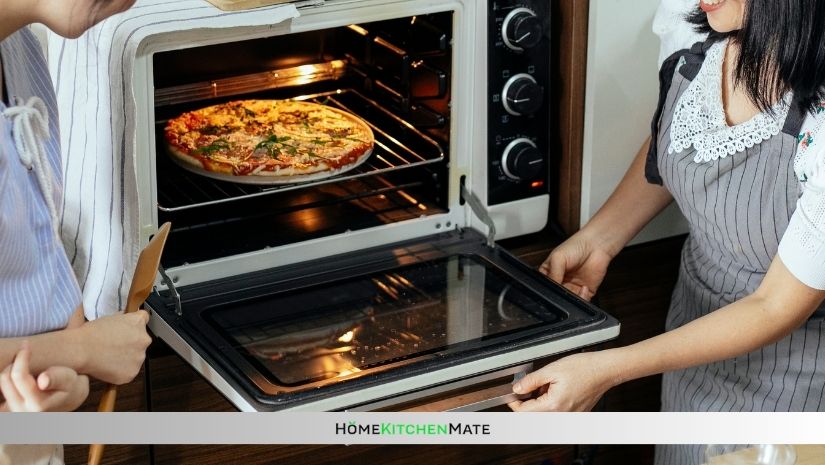
Your oven works hard every day to help you create delicious meals for yourself and your loved ones. But if you don’t take care of it, it can start to lose its spark—and that means uneven cooking, higher energy bills, or even costly repairs.
The good news? Keeping your oven in great shape doesn’t have to be complicated or time-consuming. You’ll discover simple and effective ways to maintain your oven right at home. By following these easy tips, you’ll save money, cook better, and enjoy peace of mind every time you use your oven.
Ready to make your oven last longer and work like new? Let’s dive in.
Daily Oven Care
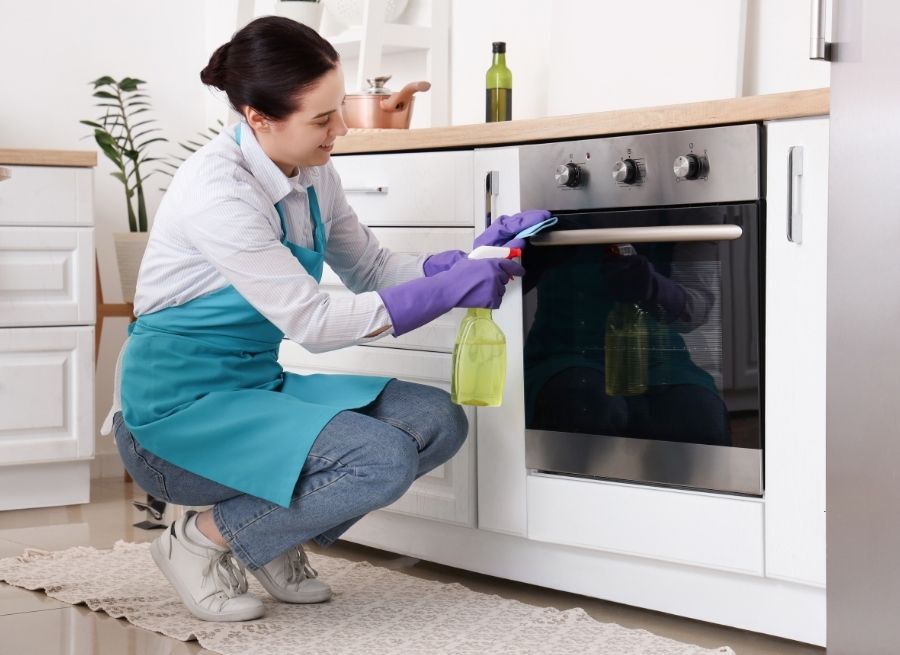
Daily oven care keeps your oven clean and working well. Simple steps taken after each use prevent grime and buildup. These small actions save time and effort later. A clean oven cooks food better and lasts longer.
Wipe Down After Use
Use a damp cloth to wipe the oven’s interior after it cools. Remove any food crumbs or grease spots. This stops stains from hardening. A quick wipe keeps your oven fresh and ready.
Check Oven Racks
Look over the racks for spills or burnt bits. Take out the racks and wipe them with soapy water if needed. Dry them fully before putting back inside. Clean racks help food cook evenly and prevent smoke.
Clean Spills Immediately
Spills can burn and stain if left inside. Wipe them up right away with a damp cloth. Use mild soap for sticky messes. Fast cleaning avoids tough stains and keeps your oven safe.
Weekly Cleaning Tips
Keeping your oven clean each week helps it work better and last longer. A simple routine stops grease and food bits from building up. This makes cooking safer and easier every day.
Spend a few minutes on basic cleaning. It saves time and avoids tough scrubbing later. Use natural products and easy steps to keep your oven fresh and neat.
Use Natural Cleaners
Mix baking soda with water to form a paste. Spread it inside the oven, avoiding heating elements. Let it sit for 15 minutes. Wipe it clean with a damp cloth. Vinegar spray helps remove leftover residue and shine surfaces without harsh chemicals.
Remove And Soak Racks
Take out the oven racks weekly. Soak them in warm, soapy water for 30 minutes. Use a sponge or brush to scrub off grease and food bits. Rinse well and dry before placing them back inside.
Clean Oven Door Glass
Use a soft cloth with vinegar or glass cleaner on the oven door. Wipe gently to avoid scratches. For stubborn spots, apply baking soda paste and scrub softly. Clean glass lets you see food cook without opening the door.
Monthly Maintenance Tasks
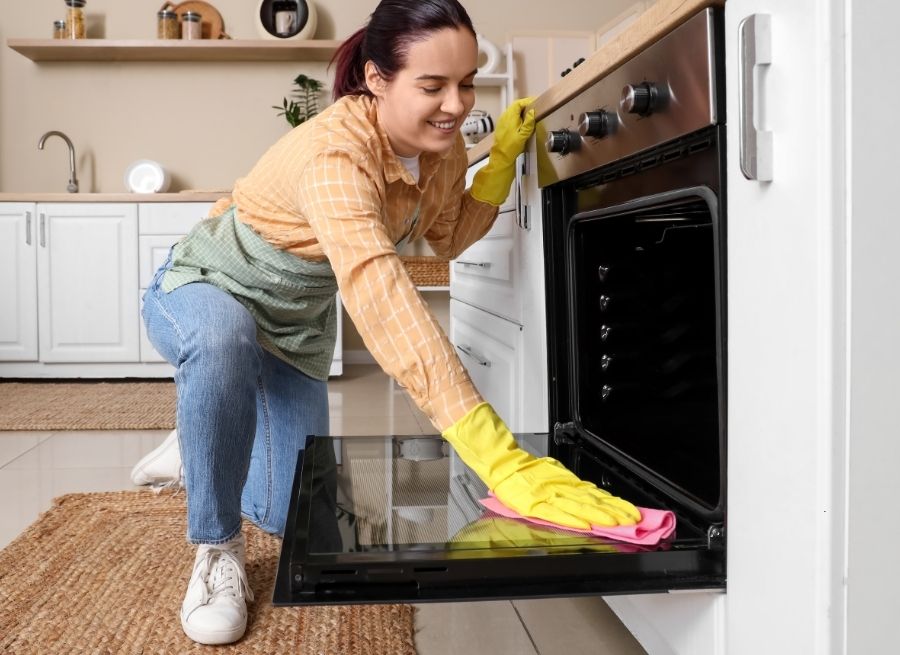
Keeping your oven in good shape requires regular attention. Monthly maintenance helps your oven last longer and work better. Small checks can prevent bigger problems and save money.
Spend a little time each month on simple tasks. These steps keep your oven safe and efficient. Below are key tasks to do every month.
Inspect Oven Seals
Check the rubber or silicone seals around the oven door. Look for cracks, tears, or gaps. Damaged seals let heat escape and waste energy. Clean the seals with a damp cloth. Replace them if they are broken.
Check Heating Elements
Turn on the oven and watch the heating parts. Both the top and bottom elements should glow red evenly. If you see dark spots or no glow, the element may be faulty. Replace faulty elements to keep cooking consistent.
Test Oven Temperature Accuracy
Use an oven thermometer to check the real temperature. Place it inside and set the oven to 350°F. Wait 15 minutes and compare the thermometer reading. If the temperature is off by more than 25 degrees, adjust the oven settings or call a technician.
Deep Cleaning Methods
Deep cleaning your oven helps keep it working well and safe to use. Over time, grease and food spills build up inside. These can cause bad smells or even smoke. Regular deep cleaning removes tough stains and grime. It also stops dirt from affecting your food’s taste.
Deep cleaning takes more time than quick wipes. It needs careful steps to clean every corner. Use the right methods to protect your oven’s surface and parts. Clean thoroughly but gently for the best results.
Self-cleaning Function Guide
Many ovens have a self-cleaning feature that makes deep cleaning easier. This function heats the oven to very high temperatures. It burns off food residue and grease into ash. After the cycle ends, you only need to wipe the ash away. Always remove oven racks before starting. Follow your oven’s manual for safety instructions. Keep the kitchen ventilated during the process. The self-cleaning cycle can take several hours to finish.
Manual Deep Cleaning Steps
For ovens without a self-cleaning feature, manual cleaning works well. Start by removing racks and trays. Soak them in warm, soapy water for easier scrubbing. Use a soft cloth or sponge with baking soda paste to scrub inside. Baking soda breaks down grease and stuck food. Spray vinegar over the baking soda for more cleaning power. Let it sit for 15-20 minutes before wiping. Rinse with a damp cloth to remove all residue. Dry everything before replacing racks back inside.
Avoiding Harsh Chemicals
Strong chemicals can damage your oven’s finish and parts. They may also leave harmful residues inside. Choose gentle, natural cleaners like baking soda and vinegar instead. Avoid bleach, ammonia, or abrasive powders. These can cause discoloration or wear down seals. Always wear gloves to protect your skin. Test cleaners on a small area first. This keeps your oven safe and clean without risks.
Preventive Tips To Extend Oven Life
Extending the life of your oven starts with simple, preventive care. Small actions can stop bigger problems later. Your oven will work better for longer with regular attention.
These preventive tips help keep your oven clean, safe, and efficient. They save you money by avoiding costly repairs or early replacement. Follow these easy steps to protect your oven at home.
Avoid Overloading
Do not put too many dishes in the oven at once. Overloading blocks air circulation inside. This makes your oven work harder and unevenly cook food. It stresses heating elements and can cause damage over time. Cook in smaller batches for best results.
Use Oven Liners
Place oven liners on the bottom rack to catch spills and crumbs. Liners protect the oven floor from stains and buildup. Clean liners often to prevent smoke and odors. Avoid using foil, which can block heat and cause fire risks. Oven liners keep your oven cleaner and reduce the need for harsh cleaning.
Regular Professional Inspections
Schedule a professional checkup for your oven once a year. Experts find small problems before they grow. They test heating elements, thermostats, and safety features. Regular inspections ensure your oven stays safe and efficient. This step prevents breakdowns and extends the oven’s life.
Frequently Asked Questions
How Often Should I Clean My Oven At Home?
You should clean your oven every 3 to 6 months. Regular cleaning prevents buildup and improves cooking efficiency. Wipe spills promptly to avoid stains and odors. This simple habit extends your oven’s lifespan and keeps food tasting fresh.
What Is The Best Way To Clean Oven Racks?
Soak oven racks in warm, soapy water for 30 minutes. Use a scrub brush or sponge to remove grime. For tough stains, try baking soda paste or a commercial cleaner. Rinse well and dry before placing them back in the oven.
Can I Use Natural Cleaners For Oven Maintenance?
Yes, natural cleaners like baking soda and vinegar work well. They are safe, eco-friendly, and effective in removing grease and grime. Avoid harsh chemicals to protect your oven’s surface and your health. Natural cleaners also eliminate odors and leave a fresh scent.
How Do I Check If My Oven Temperature Is Accurate?
Use an oven thermometer placed inside the oven to check accuracy. Preheat the oven and compare the thermometer reading to the set temperature. If there’s a difference, recalibrate your oven or call a technician for adjustment.
Conclusion
Keeping your oven clean and well-maintained saves time and energy. Regular checks help avoid costly repairs later. Simple steps like wiping spills and checking seals keep it working well. A clean oven cooks food evenly and smells better too. Small daily habits make a big difference.
Start these easy tips today to enjoy a safer, more efficient oven at home.

Rachel Bennett is a passionate home cook, kitchen enthusiast, and the voice behind Home Kitchen Mate. With years of hands-on experience experimenting in the kitchen, she blends creativity and practicality to make cooking easier and more enjoyable for everyone.