Are you looking to cut down your electricity bills without giving up the comforts of your kitchen? Your kitchen appliances can be some of the biggest energy users in your home, but with a few simple changes, you can save a lot.
Imagine spending less on energy each month while still enjoying your favorite meals. This article will show you easy, practical tips to make your kitchen more energy-efficient. Keep reading to discover how small steps can lead to big savings and a greener home.
Choose Energy-efficient Appliances
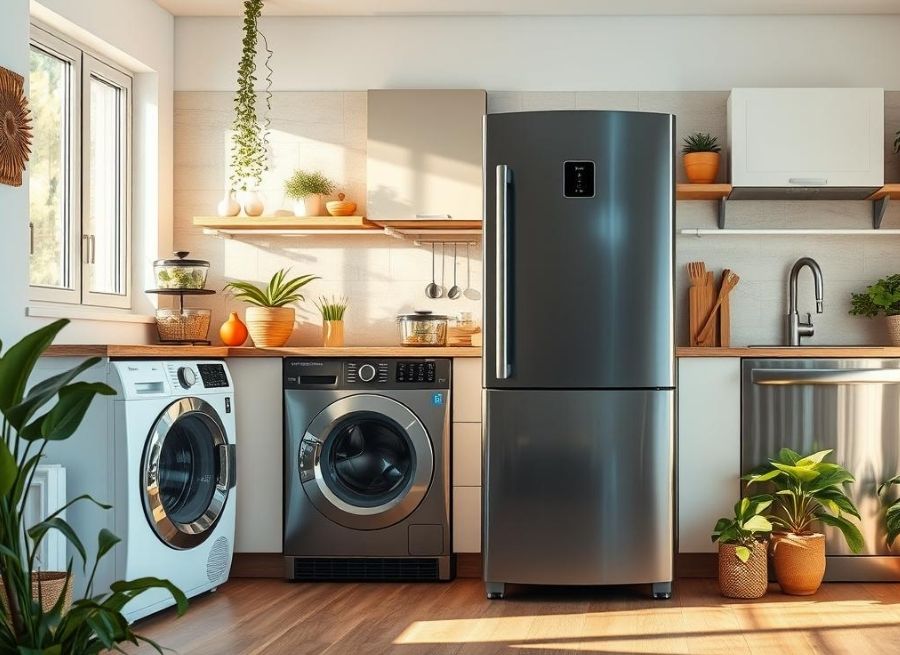
Choosing energy-efficient kitchen appliances helps lower electricity bills. These appliances use less power while working well. This choice benefits the environment and saves money over time.
Replacing old devices with energy-efficient ones reduces energy waste. It also cuts greenhouse gas emissions, helping fight climate change. Small changes in the kitchen can lead to big energy savings.
Look For Energy Star Ratings
Energy Star labels show appliances that meet strict energy rules. These products use less electricity than standard models. The label makes it easy to find efficient appliances.
Choosing Energy Star-rated appliances ensures good performance with low energy use. It is a trusted sign of quality and savings. Many refrigerators, ovens, and dishwashers carry this label.
Compare Appliance Energy Use
Check the energy guide labels on appliances before buying. These labels show the estimated yearly energy use in kilowatt-hours. Comparing these numbers helps find the most efficient model.
Some appliances may cost less upfront but use more energy. Choosing the one with lower energy use saves money in the long run. Pay attention to size and features to match your needs.
Optimize Refrigerator Use
Refrigerators use a lot of energy every day. Optimizing their use saves power and lowers bills. Small changes can make a big difference in energy use. Let’s explore simple ways to use your fridge efficiently.
Set The Right Temperature
Keep your fridge between 37°F and 40°F. This range keeps food fresh without using extra energy. Avoid setting it colder than needed. The freezer should be at 0°F for best results.
Keep Door Seals Tight
Door seals stop cold air from escaping. Check seals often for cracks or dirt. Clean seals with warm water and soap. Replace seals if they are broken or loose. Tight seals keep cold air in and save energy.
Organize For Airflow
Do not overcrowd the fridge. Air needs space to flow around food. Proper airflow helps keep a steady temperature. Store food in clear containers for easy access. This avoids keeping the door open too long.
Maximize Oven Efficiency

Saving energy in the kitchen starts with using your oven smartly. The oven often uses a lot of electricity or gas. Small changes in how you use it can cut energy use. This helps lower your bills and is better for the planet. Here are some simple tips to get the most from your oven.
Use Convection Settings
Convection ovens have a fan that moves hot air around. This cooks food faster and more evenly. You can lower the oven temperature by 25 degrees Fahrenheit. This saves energy without changing the cooking time. Use this setting for baking and roasting.
Avoid Preheating Unnecessarily
Preheating uses a lot of energy. Not all dishes need preheating. For casseroles or slow-cooked meals, place food inside right away. Skip preheating unless the recipe says it is necessary. This small step saves power and cuts cooking time.
Cook Multiple Dishes Together
Use the oven to cook more than one dish at once. Arrange trays so heat can flow between them. This saves energy by using the oven’s heat fully. Plan meals that bake at the same temperature. This simple trick reduces cooking time and energy use.
Save Energy With Dishwashers
Dishwashers use a lot of energy, but small changes can save power. Using your dishwasher smartly helps cut electricity bills. It also helps the environment by reducing energy waste. Simple habits make a big difference in energy use.
Run Full Loads Only
Wait until your dishwasher is full before running it. Half-empty loads waste water and electricity. Full loads use energy more efficiently. This practice reduces the number of cycles you need.
Use Eco Or Energy-saving Modes
Many dishwashers have eco-friendly settings. These modes use less water and lower temperatures. They clean dishes well while saving energy. Choose these settings to lower your energy consumption.
Air Dry Instead Of Heat Dry
Turn off the heat dry option on your dishwasher. Let dishes dry naturally by opening the door after the cycle. Air drying uses no electricity and still dries dishes. It is an easy way to save power daily.
Efficient Use Of Microwaves And Toasters
Microwaves and toasters are common kitchen appliances. They save time and energy when used correctly. Using them efficiently helps reduce electricity bills and lowers energy waste. Small changes in how you use these appliances can make a big difference.
Choose The Right Appliance For The Task
Not all cooking tasks need the same appliance. Use a microwave for reheating food or cooking small meals fast. It uses less energy than an oven. Toasters work best for bread and small snacks. Avoid using a microwave to toast bread. This wastes energy and gives poor results. Pick the appliance that fits the food type and amount. This choice saves energy and cooks food better.
Avoid Overusing Appliances
Do not run microwaves or toasters for longer than needed. Overcooking wastes electricity and can dry out food. Use the timer and power settings properly. Avoid opening the microwave door often. Every time you open it, energy escapes. Toast only the amount of bread you need. Running appliances empty or for small tasks wastes power. Group your cooking tasks to reduce appliance use. This habit cuts down on energy use.
Maintain Appliances Regularly
Maintaining kitchen appliances regularly helps save energy and extends their life. Clean and well-kept appliances work better and use less power. Small tasks done often can keep your kitchen running smoothly. This section explains simple steps to keep appliances in top shape.
Clean Coils And Filters
Dirty coils and filters make appliances work harder. Clean refrigerator coils twice a year to improve cooling. Wipe away dust and debris gently with a brush or cloth. Replace or wash filters in dishwashers and vents monthly. Clean filters improve airflow and reduce energy use. Regular cleaning helps appliances run cooler and longer.
Check For Leaks And Repairs
Leaks waste energy and water in kitchen appliances. Check seals on refrigerators and ovens for cracks or gaps. Fix small leaks in dishwasher hoses or faucets right away. Replace worn-out parts to keep appliances efficient. A quick repair can lower bills and prevent bigger problems later.
Unplug And Power Down
Unplugging kitchen appliances is an easy way to save energy. Many devices use power even when turned off. This is called standby power or vampire power. It quietly wastes electricity and increases your bills. Powering down appliances completely stops this hidden drain.
Avoid Standby Power Drain
Standby power drains electricity from devices like microwaves, coffee makers, and toasters. These appliances keep small displays or clocks running constantly. Unplugging them stops this waste. It saves energy without affecting how you use them.
Switch off power strips or unplug appliances when not in use. This simple habit reduces energy use and lowers costs. It also helps the environment by cutting unnecessary electricity demand.
Use Smart Power Strips
Smart power strips control electricity flow to connected devices. They cut power to appliances when not needed. For example, they turn off a toaster and coffee maker at the same time.
These strips make energy saving automatic and easy. They prevent standby power drain without unplugging each device. Smart power strips are affordable and effective tools in any kitchen.
Frequently Asked Questions
How Can I Reduce Energy Use In Kitchen Appliances?
Use energy-efficient appliances and unplug devices when not in use. Regularly clean and maintain appliances for optimal performance. Use appliances during off-peak hours to save on energy costs.
What Kitchen Appliance Saves The Most Energy?
Refrigerators typically use the most energy. Choose an ENERGY STAR-rated model and set the temperature between 35-38°F for efficiency. Keep the door sealed and avoid frequent opening.
Are Energy-saving Kitchen Gadgets Worth It?
Yes, energy-saving gadgets reduce electricity bills and environmental impact. They use less power and optimize appliance performance, offering long-term savings despite initial costs.
How Does Appliance Maintenance Save Energy?
Regular cleaning and maintenance keep appliances running efficiently. Dirty filters or coils increase energy use. Timely repairs prevent energy waste and extend appliance lifespan.
Conclusion
Saving energy in the kitchen helps lower bills and protect the planet. Small changes make a big difference over time. Turn off appliances when not in use. Choose energy-efficient models when replacing old ones. Keep appliances clean for better performance.
Use the right settings for each task. These tips help your kitchen run smarter and greener. Start today and enjoy savings tomorrow.

Rachel Bennett is a passionate home cook, kitchen enthusiast, and the voice behind Home Kitchen Mate. With years of hands-on experience experimenting in the kitchen, she blends creativity and practicality to make cooking easier and more enjoyable for everyone.