
Are you using a gas stove every day? It’s a reliable tool in your kitchen, but it also needs careful handling to keep you and your family safe.
Small mistakes can lead to big problems, but with the right tips, you can cook worry-free. You’ll discover easy and effective gas stove safety tips that protect your home and make your cooking experience smoother. Keep reading to learn how simple changes can make a huge difference in your kitchen safety.
Choosing The Right Gas Stove
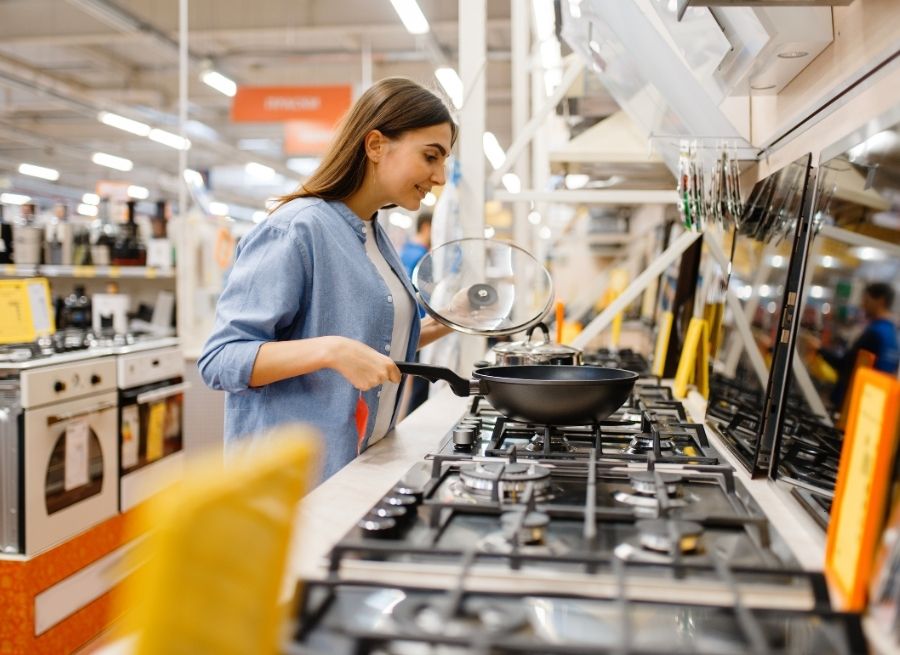
Choosing the right gas stove is important for safe and easy cooking. A good stove can help avoid accidents and improve your kitchen experience. Pick a model that fits your needs and home setup. Safety should be a top priority.
Checking Safety Certifications
Always check for safety certifications before buying a gas stove. These marks show the stove meets strict safety rules. Look for labels from trusted organizations. Certified stoves have passed tests for gas leaks and fire safety. This gives peace of mind during cooking.
Considering Size And Features
Choose a stove size that fits your kitchen space. Too big or too small can cause problems. Also, consider the number of burners you need. Some stoves come with extra safety features like flame failure devices. These features stop gas flow if the flame goes out. They add an extra layer of protection.
Proper Installation Practices
Proper installation of a gas stove is essential for safe everyday cooking. It helps prevent gas leaks and fire hazards. A correctly installed stove ensures your kitchen stays safe and your cooking runs smoothly.
Hiring A Licensed Technician
Only a licensed technician should install your gas stove. They have the skills to handle gas connections safely. A professional follows local codes and regulations. This reduces risks of leaks and accidents. Never try to install a gas stove by yourself. It can lead to dangerous mistakes.
Ensuring Adequate Ventilation
Good ventilation is vital in kitchens with gas stoves. It removes harmful gases like carbon monoxide. Ventilation can be through a range hood or open windows. Proper airflow keeps the air fresh and safe. Without it, gas buildup can cause health problems or fires.
Daily Safety Habits
Daily safety habits help prevent accidents in the kitchen. They keep you and your family safe while cooking. Small actions every day make a big difference. Follow these tips to use your gas stove safely and confidently.
Checking For Gas Leaks
Always check for gas leaks before cooking. Smell for gas near the stove and pipes. A rotten egg smell means a leak. Turn off the stove and open windows. Do not light matches or turn on lights. Call a professional to fix the leak immediately.
Keeping Flammable Items Away
Keep flammable items far from the stove. Things like paper towels, cloths, and plastic can catch fire. Store these items in cabinets or away from heat. Avoid placing anything on the stove surface. This habit reduces the risk of fires in your kitchen.
Using Cookware Properly
Use pots and pans that fit your burner size. Small cookware on large burners wastes gas and heats unevenly. Always place handles inward to avoid knocking them over. Use cookware with flat bottoms for stability. Check that handles are heat-resistant to avoid burns.
Safe Operation Tips
Safe operation of a gas stove is key to preventing accidents. Following simple steps keeps your kitchen safe and your cooking smooth. These tips help you use your stove correctly every day.
Igniting The Stove Correctly
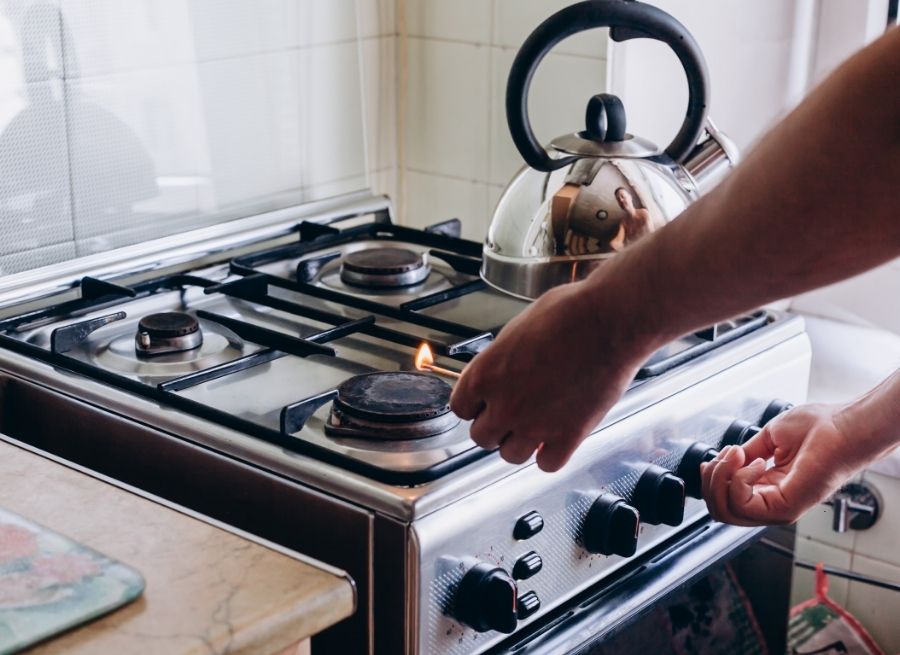
Always light the match or lighter first before turning on the gas. This prevents gas buildup and reduces fire risk. Hold the flame close to the burner while turning the knob. If the burner does not light immediately, turn off the gas and wait a few seconds before trying again.
Adjusting Flame Size
Keep the flame size small enough to fit the bottom of your pot or pan. Large flames waste gas and can cause burns. A blue flame means the stove is working well. Yellow or orange flames show incomplete burning and need attention.
Avoiding Unattended Cooking
Never leave the stove unattended while cooking. Boil-overs and spills can cause fires quickly. Stay close and watch your food at all times. If you must leave, turn off the stove first to stay safe.
Maintenance And Cleaning
Keeping your gas stove clean and well-maintained is key to safe cooking every day. Dirt and grease can block burners and cause uneven flames. Gas leaks can start if pipes or connections weaken. Simple care helps avoid accidents and keeps your stove working well for years.
Regular Burner Cleaning
Burners collect food crumbs and grease fast. Clean them every week to stop clogging. Remove burner caps and soak them in warm, soapy water. Use a soft brush to clear blocked holes. Dry fully before placing them back. Clean burners burn gas properly and reduce fire risk.
Inspecting Gas Lines
Check gas lines often for cracks or leaks. Look for damage or wear along the pipes. Smell for gas, which has a strong, sulfur-like odor. If you notice any smell, turn off the gas immediately. Do not use matches or electrical switches. Call a professional to inspect and fix leaks.
Scheduling Professional Servicing
Set up yearly check-ups with a gas appliance expert. Professionals test all parts to ensure safety and efficiency. They clean hidden areas and replace worn parts. Regular service prevents major problems and saves money. It keeps your stove in top shape and safe to use.
Emergency Preparedness
Emergencies with gas stoves can happen without warning. Being ready helps protect your home and family. Knowing what to do reduces panic and speeds up safe actions. Learn simple steps to stay safe during a gas stove emergency.
Recognizing Gas Leak Signs
Gas leaks often give off a distinct smell like rotten eggs. This odor comes from a chemical added to natural gas for safety. Listen for a hissing sound near the stove or gas line. Watch for dead plants or unusual dirt patches around the gas pipe. Feeling dizzy or nauseous can also indicate a gas leak. Act fast if you notice any signs to prevent danger.
Using A Fire Extinguisher
Keep a fire extinguisher in your kitchen near the stove. Make sure it is rated for grease and gas fires. Pull the pin and aim the nozzle at the fire’s base. Sweep the extinguisher side to side until the fire goes out. Do not use water on a gas or grease fire; it spreads the flames. Practice using the extinguisher to feel confident in emergencies.
Knowing When To Evacuate
Evacuate immediately if the gas leak is strong or fire grows large. Close the gas valve if safe before leaving. Avoid turning on lights or electrical devices; sparks can ignite gas. Leave doors and windows open to let gas escape. Call emergency services from outside the home. Do not re-enter until professionals say it is safe.
Frequently Asked Questions
How Can I Prevent Gas Leaks When Using A Stove?
Regularly check connections and hoses for damage or wear. Always ensure burners are turned off after cooking. Use a gas detector for early leak alerts. If you smell gas, ventilate the area and avoid flames or sparks. Call a professional if a leak is suspected.
What Safety Measures Should I Follow When Lighting A Gas Stove?
Light the match or lighter before turning on the gas knob. Avoid leaving the burner unattended while igniting. Keep flammable items away from the stove surface. Ensure proper ventilation in the kitchen to prevent gas buildup.
How Do I Properly Maintain A Gas Stove For Safety?
Clean burners and grates regularly to prevent blockages. Check for gas hose cracks or loose fittings monthly. Schedule professional inspections annually to ensure safe operation. Replace worn parts promptly to avoid hazards.
Is It Safe To Cook With A Gas Stove During A Power Outage?
Yes, gas stoves can operate without electricity. Use caution when lighting manually. Ensure proper ventilation to prevent carbon monoxide buildup. Avoid using ovens or burners if you smell gas or suspect leaks.
Conclusion
Safe cooking starts with smart habits around your gas stove. Keep burners clean and check for leaks regularly. Always turn off the stove after use. Never leave cooking food unattended. Use pots and pans that fit the burner size. Good ventilation helps keep air fresh and safe.
These small steps protect your home and family every day. Stay alert and cook with care. Safety is simple and worth the effort.

Rachel Bennett is a passionate home cook, kitchen enthusiast, and the voice behind Home Kitchen Mate. With years of hands-on experience experimenting in the kitchen, she blends creativity and practicality to make cooking easier and more enjoyable for everyone.