Your dishwasher works hard every day to keep your dishes sparkling clean. But have you ever stopped to think about how clean your dishwasher itself really is?
Over time, food particles, grease, and soap scum build up inside, making it less effective and even causing unpleasant smells. If you want your dishwasher to run smoothly and keep your dishes fresh, knowing how to clean it properly is key.
Keep reading, and you’ll discover simple, effective steps to make your dishwasher shine like new again.
Prepping Your Dishwasher
Before diving into deep cleaning your dishwasher, prepping it properly can make a huge difference. It helps you spot hidden issues and ensures every part is ready for a thorough wash. Taking these small steps can save you from bigger problems down the line.
Empty The Dishwasher
Start by removing all dishes, utensils, and racks from your dishwasher. This gives you clear access to all the nooks and crannies that need cleaning. Have you ever noticed leftover food bits stuck inside? Clearing out the contents lets you see those spots clearly and clean them effectively.
Remove And Clean Filters
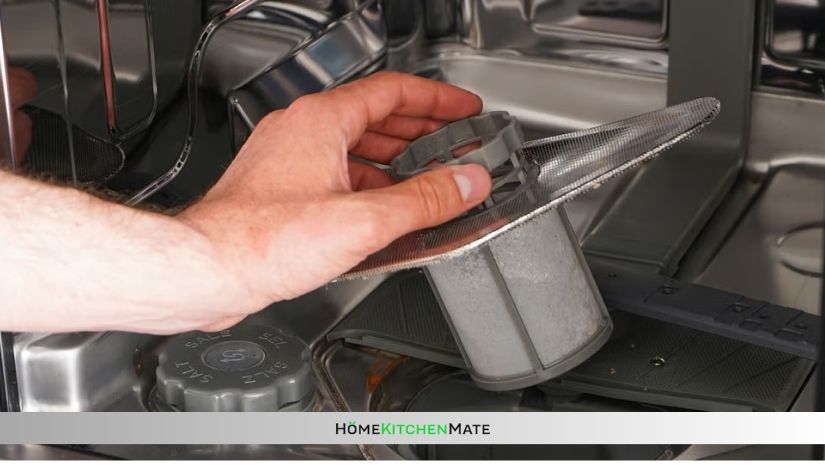
Filters catch food particles and prevent them from clogging your dishwasher’s drain. If you don’t clean them regularly, they can cause bad smells and reduce cleaning efficiency. Take out the filter—usually located at the bottom—and rinse it under warm water. Use a soft brush if you find stubborn debris stuck in the mesh.
Check And Clear Spray Arms
Spray arms deliver the water jets that clean your dishes, so they must be free of blockages. Sometimes, small bits of food or mineral buildup can clog the holes. Detach the spray arms if your model allows, and inspect each hole carefully. Use a toothpick or a small brush to clear any clogs and rinse them well before putting them back.
Deep Cleaning Techniques
Deep cleaning a dishwasher removes hidden dirt and buildup. It helps keep your dishwasher fresh and working well. Regular deep cleaning stops bad smells and clogs. Use simple ingredients found at home for best results.
Use Vinegar For Freshness
Vinegar breaks down grease and removes odors. Place a cup of white vinegar in a dishwasher-safe container on the top rack. Run a hot water cycle without any dishes. Vinegar cleans hard water stains and refreshes the machine.
Apply Baking Soda For Stains
Baking soda removes stains and neutralizes smells. Sprinkle one cup of baking soda on the bottom of the dishwasher. Run a short hot water cycle. This helps brighten the interior and clear away leftover grime.
Clean Door Seals And Exterior
Door seals trap food particles and moisture. Wipe them gently with a damp cloth and mild soap. Use an old toothbrush to clean crevices carefully. Clean the exterior with a soft cloth and mild cleaner to remove fingerprints and dirt.
Maintaining Sparkle
Keeping your dishwasher sparkling clean isn’t just about looks—it ensures your dishes come out spotless and your machine runs smoothly for years. A clean dishwasher prevents unpleasant odors, buildup, and performance issues. Let’s look at practical ways to maintain that shine and efficiency with simple, regular care.
Run Regular Cleaning Cycles
Running a cleaning cycle every few weeks helps remove grease, limescale, and food particles that hide in your dishwasher’s nooks. Use dishwasher cleaner tablets or a cup of white vinegar placed on the top rack to tackle buildup effectively.
Make sure to run the cycle on the hottest setting to break down residue. Skipping this step can lead to clogged spray arms and less effective cleaning on your dishes.
Avoid Common Mistakes
Do you often overload your dishwasher or block the spray arms? These habits reduce cleaning power and increase buildup inside the machine.
Never use regular dish soap—it creates excessive suds that can damage your dishwasher. Also, avoid ignoring the filter; a clogged filter traps grime and causes bad smells.
Tips For Long-term Care
- Wipe down door seals and edges regularly to prevent mold and mildew.
- Check and clean the drain area to avoid clogs that affect drainage.
- Run a rinse cycle after heavy loads to clear leftover food debris.
- Use water softeners if you have hard water to reduce limescale buildup.
Have you noticed a difference after adding these simple habits? Maintaining your dishwasher’s sparkle not only saves you money but also keeps your kitchen fresher and your dishes gleaming every time.
Frequently Asked Questions
How Often Should I Clean My Dishwasher?
Clean your dishwasher once a month to remove grease and food buildup.
What Household Items Clean A Dishwasher Effectively?
White vinegar and baking soda work well to clean and freshen dishwashers.
Can I Use Bleach To Clean My Dishwasher?
Avoid bleach; it can damage dishwasher parts and cause rust.
How Do I Clean Dishwasher Filters?
Remove filters and rinse them under warm water to clear debris.
Why Is My Dishwasher Smelling Bad?
Bad smells come from trapped food and moisture; regular cleaning prevents this.
Should I Run An Empty Dishwasher Cycle For Cleaning?
Yes, run an empty cycle with vinegar to remove grease and odors.
Conclusion
Cleaning a dishwasher keeps it working well and smelling fresh. Regular care stops bad smells and clogs. Use simple steps like wiping filters and running cleaning cycles. This saves money and helps dishes come out clean every time. A clean dishwasher means less hassle and more time for you.
Make cleaning a habit for better results. Your dishwasher will thank you with longer life and better performance. Easy to do, worth the effort.

Rachel Bennett is a passionate home cook, kitchen enthusiast, and the voice behind Home Kitchen Mate. With years of hands-on experience experimenting in the kitchen, she blends creativity and practicality to make cooking easier and more enjoyable for everyone.