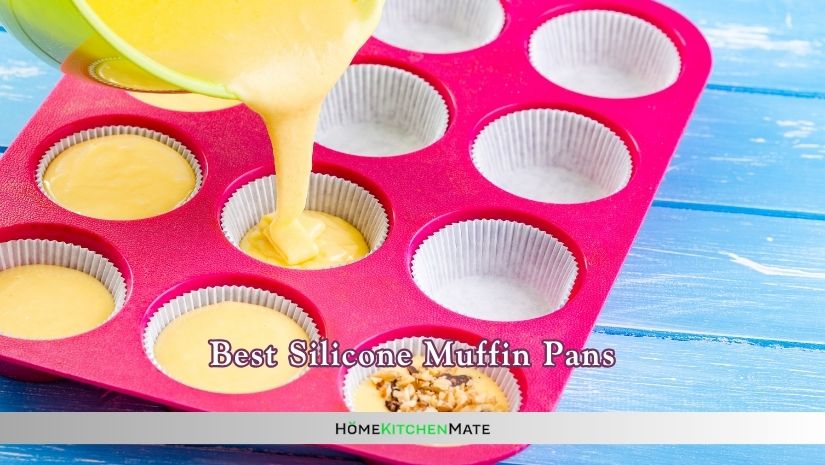
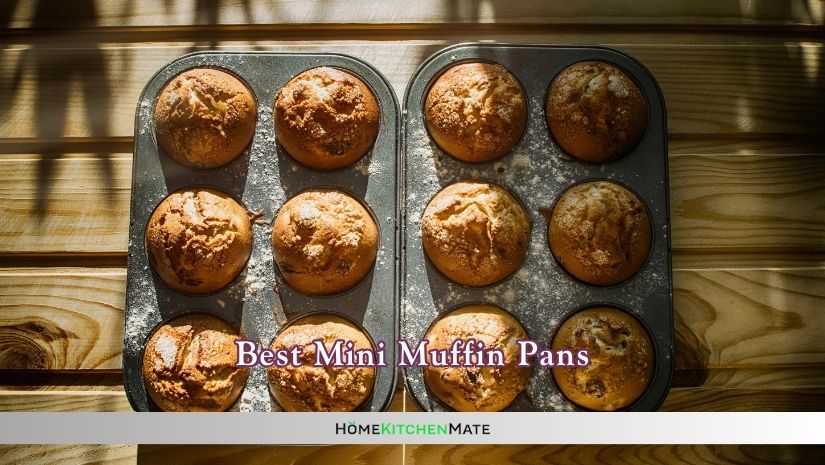
Have you ever wondered how full to fill your cake pan for the perfect bake? Getting this right can make all the difference between a cake that rises beautifully and one that spills over your oven.
If you’ve struggled with uneven layers, soggy centers, or messy oven cleanups, you’re not alone. You’ll discover simple, practical tips to fill your cake pan just right every time. Keep reading, and you’ll gain the confidence to bake cakes that look and taste amazing without the guesswork.
Choosing The Right Pan Size
Choosing the right pan size is key to baking success. The pan size affects how your cake bakes and its texture. Using the wrong size can cause undercooked or overcooked cakes. Understanding pan dimensions and recipe adjustments helps avoid baking mishaps. It ensures your cake turns out just right every time.
Impact Of Pan Dimensions
Pan dimensions influence baking time and cake thickness. A deeper pan holds more batter, creating a thicker cake. A shallow pan spreads batter thinner, leading to quicker baking. The cake’s surface area also affects moisture and crumb texture. Choosing the correct pan size matches the recipe’s baking expectations.
Adjusting Recipes For Different Pans
Changing pan size means adjusting the recipe amount or baking time. A larger pan needs more batter or a thinner cake layer. Smaller pans require less batter to avoid overflow. Baking time changes too; larger cakes take longer, smaller ones bake faster. Use a toothpick test to check doneness regardless of size.

Credit: www.crumbsanddoilies.co.uk
Ideal Batter Fill Levels
Knowing the ideal batter fill levels is key to baking success. Too much batter causes overflow. Too little batter leads to dry cakes. The right amount ensures even baking and perfect texture.
Different cake pans and recipes may require different fill levels. Understanding standard percentages helps to avoid common baking problems. Proper fill levels give cakes room to rise without spilling over.
Standard Fill Percentages
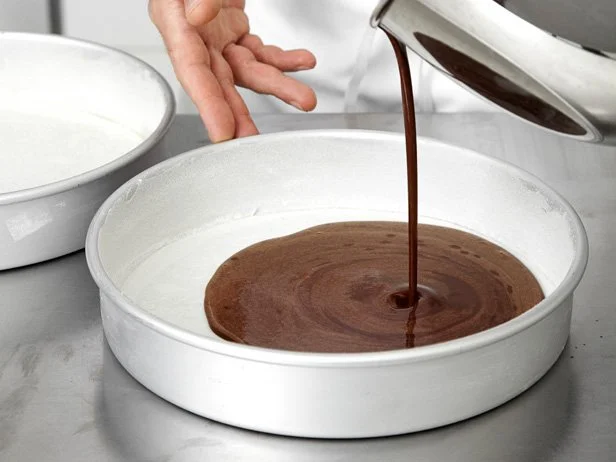
Fill most cake pans between 2/3 and 3/4 full. This means 66% to 75% of the pan’s volume should hold batter. This range leaves space for the batter to rise.
For round or square pans, 2/3 full is usually safe. Deep pans may need less batter to prevent overflow. Shallow pans can hold more batter without issues.
Use measuring cups or a kitchen scale to add batter precisely. Avoid guessing to keep the fill level consistent.
Avoiding Overflow And Undercooked Centers
Overflow happens when batter rises too much. It creates a mess and wastes batter. Too little batter causes undercooked, dense centers.
Check your batter’s consistency before filling the pan. Thick batter rises less than thin batter. Adjust fill levels based on batter type.
Leave enough space for batter to expand during baking. Use a toothpick to test doneness near the center. If it comes out wet, bake longer or use less batter next time.
Tips For Consistent Baking
Consistent baking ensures your cakes come out perfectly every time. Small adjustments in temperature and positioning can make a big difference. Following simple tips helps avoid undercooked or burnt cakes. It also creates an even texture and beautiful rise.
Using Oven Thermometers
Oven temperatures often vary from the set number. Using an oven thermometer shows the real heat inside. Place it in the middle rack for the best reading. Check it before baking to prevent surprises. Adjust your oven settings according to the thermometer’s reading. This helps bake cakes evenly and avoid over or under baking.
Rotating Pans During Baking
Ovens have hot spots that cook unevenly. Rotating pans during baking balances heat exposure. Turn your cake pans halfway through the baking time. Use oven mitts to avoid burns. This simple step helps cakes bake evenly on all sides. It prevents one side from browning too much or staying raw.
Credit: www.foodnetwork.com

Credit: food52.com
Frequently Asked Questions
How Much Batter Should I Put In A Cake Pan?
Fill the pan about two-thirds full to allow the cake to rise without spilling.
Why Not Fill The Cake Pan To The Top?
Batter expands while baking; filling to the top causes overflow and uneven cooking.
Can I Fill The Cake Pan Halfway Instead Of Two-thirds?
Halfway may work but can produce a thinner, faster-baking cake with less height.
Does Pan Size Affect How Full I Should Fill It?
Yes, larger pans need more batter but still should be filled about two-thirds.
What Happens If I Overfill The Cake Pan?
The batter will spill over, causing a mess and unevenly baked cake edges.
How Can I Avoid A Sunken Cake After Baking?
Fill the pan correctly and avoid opening the oven door during baking.
Conclusion
Filling your cake pan correctly helps your cake bake evenly. Fill the pan about two-thirds full to avoid spills. This allows the cake to rise without overflowing. Too little batter can make the cake too thin or dry. Using the right amount means a perfect shape and texture.
Remember, simple steps make baking easier and more fun. Now you can bake with confidence and enjoy tasty results every time.

Rachel Bennett is a passionate home cook, kitchen enthusiast, and the voice behind Home Kitchen Mate. With years of hands-on experience experimenting in the kitchen, she blends creativity and practicality to make cooking easier and more enjoyable for everyone.