Baking the perfect cake starts with the right basics, and one of the most common questions you might have is: how high should you fill your cake pan? Pour too much batter, and your cake could overflow, making a mess and ruining your hard work.
Fill it too little, and your cake might turn out flat and dry. Getting this just right can save you time, frustration, and wasted ingredients. You’ll discover simple tips that help you fill your cake pan perfectly every time, so your cakes bake evenly and look amazing.
Keep reading to find out the secret to baking success that many miss!
Ideal Fill Levels
Knowing the ideal fill level for a cake pan can improve baking results. Proper fill height helps cakes bake evenly without overflowing or drying out. It also affects the cake’s texture and rise. Understanding how much batter to pour can save time and reduce waste.
Standard Fill Heights
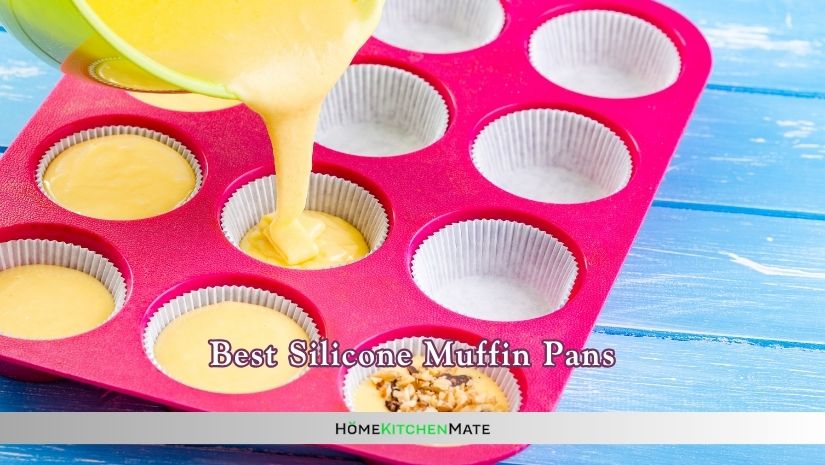
Most cake recipes recommend filling the pan two-thirds full. This allows room for the batter to rise during baking. Overfilling can cause batter to spill over the edges. Underfilling may result in a thin, dry cake. Two-thirds full is a safe and common guideline.
Adjusting For Cake Type
Some cake types need different fill levels. For example, sponge cakes rise more, so fill only half full. Dense cakes, like pound cake, can be filled up to three-quarters. Cheesecakes should be filled almost to the top but avoid spilling. Adjust fill height based on how much the cake expands.
Pan Size Considerations
The size and shape of the pan also affect fill levels. Deeper pans require more batter but keep the same fill ratio. Shallow pans need less batter to avoid overflow. Round pans allow more rise than square or rectangular ones. Always measure the pan’s volume if unsure about batter amounts.
Common Filling Mistakes
Filling a cake pan correctly is key to baking success. Common mistakes can cause uneven baking and messy results. Understanding these errors helps avoid ruined cakes and wasted ingredients.
Many bakers either fill the pan too much or too little. Both affect how the cake bakes and looks. Knowing the right fill level improves texture and appearance.
Overfilling Issues
Filling the cake pan above two-thirds full often causes problems. The batter can spill over the edges during baking. This creates a mess in the oven and uneven cake sides.
Overfilled pans also make the cake dense and undercooked inside. The outside may burn before the center cooks fully. It leads to a dry, uneven cake texture.
Underfilling Effects
Filling the pan too low results in a thin, flat cake. The cake might bake too fast and become dry. It can also look small and less appealing.
Underfilled pans waste oven heat and energy. The cake might not rise properly, affecting its fluffiness. This reduces the overall quality and taste.
How Fill Affects Baking Time
The amount of batter in the pan changes baking time significantly. More batter means longer baking to cook the center. Less batter bakes faster but can dry out quickly.
Adjust baking time based on how full the pan is. Check the cake early to avoid overbaking or underbaking. Using a toothpick test helps find the perfect baking point.
Tips For Even Baking
Getting an evenly baked cake starts long before you slide the pan into the oven. The way you prepare your baking setup and monitor the baking process can make a huge difference in texture and appearance. Here are some practical tips that can help you avoid common baking pitfalls and get that perfect rise and crumb every time.
Using Baking Strips
Baking strips are simple fabric bands you wet and wrap around your cake pans. They help regulate the pan’s temperature, preventing the edges from cooking too fast and doming in the center.
I used to battle cracked tops on my cakes until I started using these strips. The difference was immediate—cakes baked more evenly and had a flat surface, perfect for stacking layers.
You can buy them or make your own with dampened cotton strips. Just remember to keep them wet during the entire baking time for the best results.
Monitoring Oven Temperature
Oven temperatures can vary widely from what the dial shows. This inconsistency can cause uneven baking and unexpected results in your cake’s texture.
Invest in an oven thermometer to check your real oven temperature. Adjust the heat setting accordingly to avoid overbaking or underbaking.
Also, avoid opening the oven door frequently; it causes temperature fluctuations that affect baking time and evenness.
Testing Cake Doneness
Knowing exactly when your cake is done can be tricky. Overbaking dries it out, while underbaking leaves a gooey center.
Use a toothpick or cake tester inserted into the center. If it comes out with just a few moist crumbs, your cake is ready.
Try gently pressing the surface of the cake—it should spring back without leaving an indentation. This quick test helps you avoid guesswork and ensures a perfect bake every time.
Frequently Asked Questions
How Full Should I Fill A Cake Pan?
Fill your cake pan about two-thirds full. This stops the batter from spilling while baking.
Why Not Fill The Cake Pan To The Top?
Filling to the top causes overflow and uneven baking. Leave space for the cake to rise.
How Does Pan Fill Level Affect Baking Time?
More batter means longer baking time. Less batter bakes faster and more evenly.
What Happens If The Cake Pan Is Underfilled?
Underfilled pans create thin, dry cakes that may bake too quickly or burn.
Does Cake Pan Shape Affect How High To Fill?
Yes, deeper pans need less batter to avoid overflow. Shallow pans can hold more.
Can I Fill A Cake Pan More For Dense Cakes?
Dense batters rise less, so you can fill slightly higher, but not beyond three-quarters.
Conclusion
Filling your cake pan about two-thirds full works best. This level helps the cake rise without spilling over. Too much batter can cause a mess and uneven baking. Too little batter may make the cake too thin. Remember to leave room for the cake to grow.
This simple tip improves your baking results every time. Happy baking!

Rachel Bennett is a passionate home cook, kitchen enthusiast, and the voice behind Home Kitchen Mate. With years of hands-on experience experimenting in the kitchen, she blends creativity and practicality to make cooking easier and more enjoyable for everyone.