Have you ever wondered just how hot your dishwasher gets during a cycle? Knowing this can help you understand how effectively it cleans your dishes and whether it’s safe for certain items.
You might be surprised to learn that the temperature inside your dishwasher plays a big role in killing germs and breaking down tough food stains. If you want to make sure your dishes come out spotless every time, keep reading.
This guide will reveal exactly how hot a dishwasher gets and why that matters for your kitchen routine.

Credit: www.goodhousekeeping.com
Typical Dishwasher Temperatures
Understanding typical dishwasher temperatures helps you ensure your dishes come out spotless and sanitized. Most dishwashers use a range of heat settings during different cycles to tackle grease, food residues, and bacteria. Knowing these temperatures can also guide you in selecting the right cycle for your needs, saving energy and protecting delicate items.
Heat Levels During Wash Cycles
Dishwashers don’t maintain a constant temperature throughout the cleaning process. During the main wash, water typically heats up to around 130°F to 160°F (54°C to 71°C). This range is hot enough to break down grime but still safe for most dishware.
Rinse cycles often use slightly cooler water, usually between 120°F and 140°F (49°C to 60°C), to help remove detergent residue without damaging your glasses or plastics. Some models include a high-heat sanitize option, raising temperatures to about 160°F to 170°F (71°C to 77°C) to kill bacteria effectively.
Temperature Variations By Model
Different dishwasher brands and models vary in their heating capabilities. Basic models might have a narrower temperature range, maxing out near 140°F (60°C), while premium models can reach higher heat levels to enhance cleaning and sanitization.
Some dishwashers offer customizable settings, allowing you to adjust the temperature based on your load. For example, eco-friendly cycles run at lower temperatures around 120°F (49°C) to save energy but may require pre-rinsing to avoid residue. Have you checked your dishwasher’s manual to see how hot your specific model gets?

Credit: www.goodhousekeeping.com
Impact Of Temperature On Cleaning
Temperature plays a key role in how well a dishwasher cleans dishes. Higher heat helps break down food particles and grease. It also kills more germs and bacteria on plates and utensils. Understanding this impact helps choose the right dishwasher cycle.
Heat must be balanced. Too low, and dishes stay dirty. Too high, and delicate items may get damaged. Most dishwashers heat water between 120°F and 160°F for optimal cleaning.
Effectiveness Against Grease And Germs
Hot water softens and dissolves grease quickly. It loosens stuck-on food and oils from dishes. This makes rinsing easier and more thorough. Heat also kills many harmful germs and bacteria. It protects your family from illness. The higher the temperature, the better the germ-killing power.
Temperatures above 140°F are best for sanitizing. Some dishwashers offer a “sanitize” cycle that uses very hot water. This cycle meets health standards for killing bacteria.
Role In Detergent Activation
Heat activates dishwasher detergents. Warmer water helps detergents dissolve faster. It also triggers enzymes that break down food stains. Without enough heat, detergents work slowly and less effectively. This leaves dishes with residue or spots.
Enzymes in detergents need warm water to function well. Cold water can deactivate them. Proper heat ensures detergents clean dishes deeply and quickly.
Safety And Energy Considerations
Dishwasher temperature affects both safety and energy use. Knowing how to manage heat helps protect your home and saves money on bills.
Dishwashers heat water to clean dishes well. Too much heat can cause damage or risk burns. Using the right settings keeps things safe.
Preventing Overheating
Most dishwashers have built-in sensors to stop overheating. These sensors turn off the heater if the water gets too hot.
Keep vents clear and avoid blocking the dishwasher’s air flow. This helps the machine cool down properly.
Regular maintenance prevents build-up that can cause the dishwasher to work harder and heat more than needed.
Energy Efficiency And Heat Settings
Using lower heat settings can reduce energy use. Many dishwashers offer eco or energy-saving modes.
These modes use warm water, not hot, to clean effectively while cutting power use.
Running full loads maximizes energy efficiency. Half-empty loads waste heat and electricity.
- Set dishwasher to eco mode for daily use.
- Use high heat only for heavily soiled dishes.
- Check your dishwasher’s energy rating for better models.
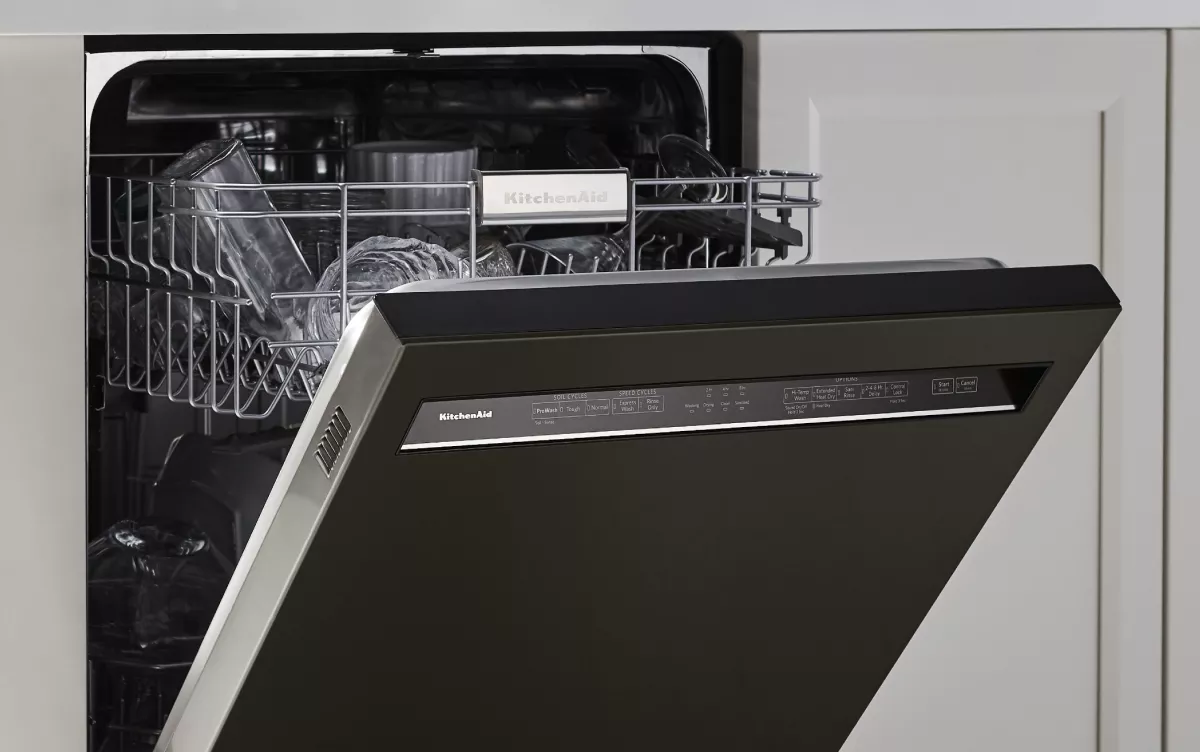
Credit: www.kitchenaid.com
Frequently Asked Questions
How Hot Does A Dishwasher Get During A Wash Cycle?
Dishwashers typically reach temperatures between 120°F and 160°F during washing. This heat helps remove grease and food.
What Temperature Kills Germs In Dishwasher Cycles?
Hot water at about 140°F to 160°F effectively kills most bacteria and germs on dishes.
Does Dishwasher Temperature Affect Cleaning Quality?
Yes, higher temperatures improve cleaning by breaking down tough stains and grease more easily.
Can Dishwasher Heat Damage Dishes Or Plastics?
Very high heat can warp some plastics or damage delicate dishes if not labeled dishwasher-safe.
How Does The Drying Temperature In Dishwashers Work?
Drying cycles use heat around 140°F to evaporate water, leaving dishes dry and ready to use.
Are All Dishwasher Models Heated To The Same Temperature?
No, temperatures vary by brand and model, with some offering adjustable heat settings for different needs.
Conclusion
Dishwashers usually reach temperatures between 120°F and 160°F. This heat helps clean dishes well and kills most germs. Different cycles use different temperatures for best results. Hot water also helps dry dishes faster. Knowing these details helps you choose the right cycle.
Keep your dishwasher in good shape for better cleaning. Simple care can make a big difference. Now you understand how hot a dishwasher gets and why it matters.

Rachel Bennett is a passionate home cook, kitchen enthusiast, and the voice behind Home Kitchen Mate. With years of hands-on experience experimenting in the kitchen, she blends creativity and practicality to make cooking easier and more enjoyable for everyone.