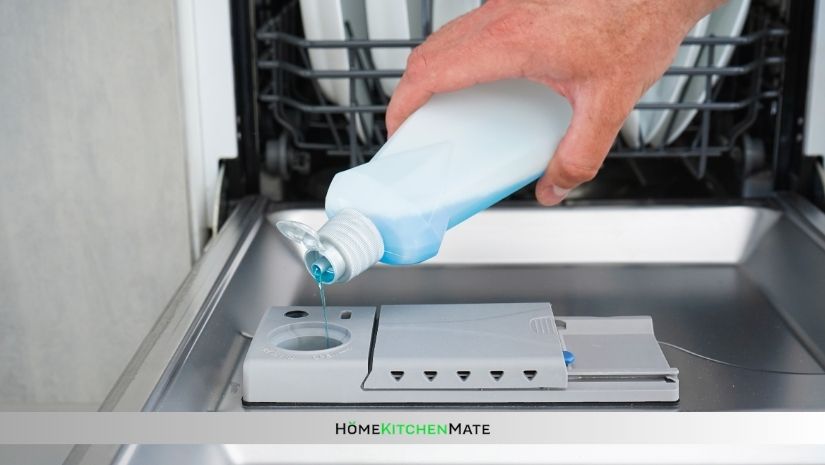
Are you unsure about how much liquid dishwasher detergent to use every time you run your dishwasher? Using too little might leave your dishes dirty, while too much can cause soapy residue and waste your detergent.
Getting the right amount is easier than you think, and it can save you money and keep your dishes sparkling clean. Keep reading to discover simple tips that will help you get perfect results every time.
Choosing The Right Amount
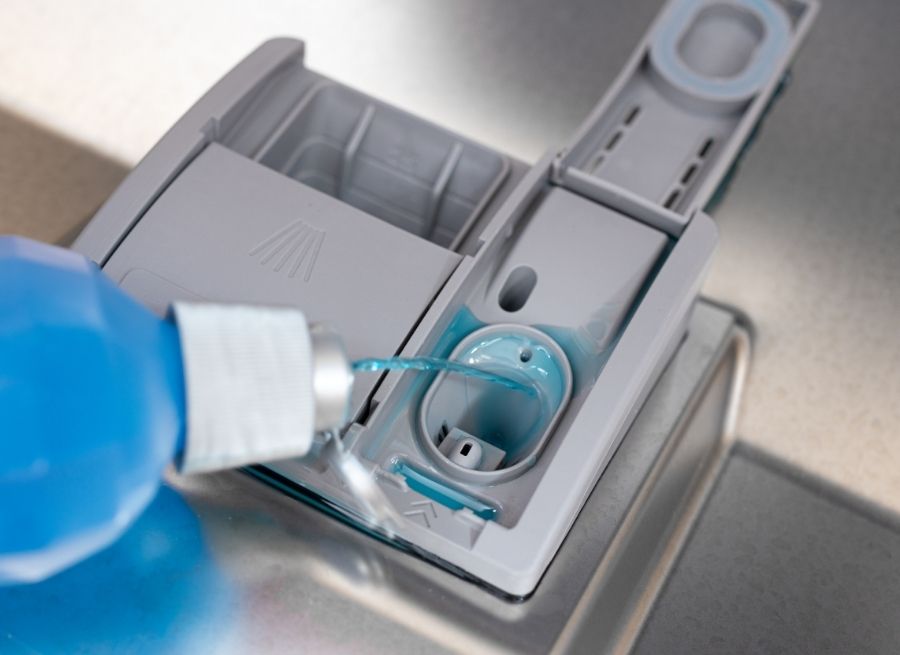
Choosing the right amount of liquid dishwasher detergent is key for clean dishes. Too much detergent can leave residue, while too little may not clean well. Understanding how to measure the detergent helps save money and protects your dishwasher.
Factors Affecting Detergent Quantity
Several factors influence how much detergent to use. The hardness of your water plays a big role. Hard water needs more detergent for effective cleaning. The dishwasher’s size also matters. Larger machines require more detergent to cover all dishes.
The level of soil on your dishes impacts detergent use. Heavily soiled plates need more detergent to remove food and grease. Some detergents are more concentrated than others. Check the label to adjust the amount accordingly.
Manufacturer Recommendations
Always check the detergent bottle for instructions. Manufacturers provide the best guidance for their products. Follow the recommended dosage for your dishwasher type. Using more detergent than advised won’t improve cleaning.
Dishwasher manuals often suggest detergent amounts too. They consider water hardness and machine capacity. Stick to these guidelines to avoid buildup and poor rinsing. Proper dosing keeps your dishwasher running smoothly for years.
Measuring Liquid Detergent
Measuring liquid dishwasher detergent is key for clean dishes. Using the right amount ensures your dishes are spotless without leaving residue. Too little detergent can leave grime, while too much causes buildup and waste. Proper measuring helps save money and protects your dishwasher from damage. Follow simple steps for best results.
Using Measuring Caps
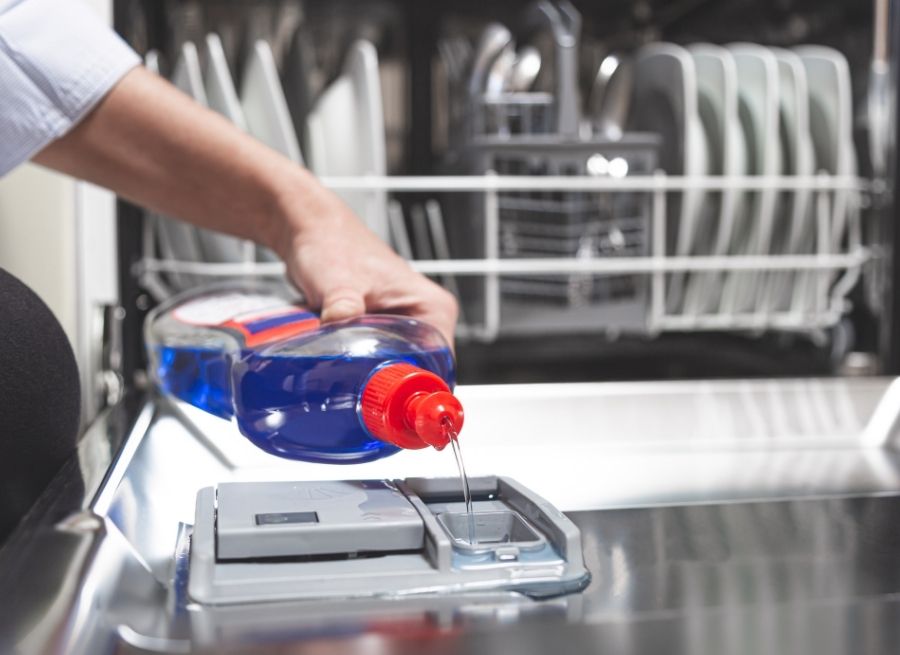
Most liquid detergents come with a measuring cap. This cap helps pour the exact amount needed. Look for fill lines on the cap showing recommended doses. Pour detergent slowly to avoid spilling. Use the cap to measure detergent for each load. This method keeps detergent use consistent and easy.
Avoiding Overuse
Overusing detergent wastes product and harms your dishwasher. Too much detergent creates excess suds that block cleaning jets. This leads to dirty dishes and poor rinse results. Use only the amount suggested on the detergent label. For lightly soiled dishes, reduce detergent slightly. Avoid the habit of adding extra detergent for better cleaning.
Optimizing Dishwasher Performance
Optimizing dishwasher performance depends largely on using the right amount of liquid detergent. Too little detergent leaves dishes dirty. Too much detergent can cause residue buildup. Finding the correct balance helps your dishwasher clean efficiently and protects its parts.
Adjusting For Water Hardness
Water hardness affects how well detergent works. Hard water contains minerals that reduce cleaning power. Use more detergent in hard water areas to break down grease and food particles. Softer water requires less detergent to avoid suds and residue.
Check your local water hardness level or test your water at home. Adjust detergent amounts accordingly:
- Soft water (0-3 grains per gallon): Use half to three-quarters of the recommended detergent.
- Moderate hardness (3-7 grains per gallon): Use the normal detergent amount.
- Hard water (7+ grains per gallon): Increase detergent by 25% or use a hard water-specific detergent.
Loading Tips For Better Cleaning
Proper loading improves detergent use and dish cleanliness. Avoid overcrowding to let water and detergent reach all surfaces. Place larger items on the sides or back, and smaller items in the front. Face dirty sides toward the spray arms.
Separate items so water flows freely. Avoid nesting bowls or stacking plates tightly. Keep detergent compartments clear and dry before filling. These tips help your dishwasher spray detergent evenly and rinse dishes thoroughly.
Frequently Asked Questions
How Much Liquid Dishwasher Detergent Should I Use Per Load?
Use about 1 to 2 tablespoons of liquid detergent for a standard dishwasher load.
Can Using Too Much Detergent Harm My Dishwasher?
Yes, excess detergent can cause residue buildup and reduce cleaning efficiency.
Does Water Hardness Affect The Amount Of Detergent Needed?
Yes, harder water usually requires more detergent for effective cleaning.
Should I Adjust Detergent Amount For Lightly Soiled Dishes?
Use less detergent, around 1 tablespoon, for lightly soiled or smaller loads.
What Happens If I Use Too Little Dishwasher Detergent?
Dishes may not get fully clean and could have leftover food or spots.
Is Liquid Detergent Better Than Powder For Dishwashers?
Liquid detergent dissolves faster but both types clean well when used correctly.
Conclusion
Using the right amount of liquid dishwasher detergent saves water and energy. Too much soap leaves residue on dishes. Too little soap means dishes stay dirty. Check your dishwasher’s manual for the recommended amount. Usually, a tablespoon works well for most loads.
Adjust the amount if your water is hard or very soft. Clean dishes make mealtime better and keep your machine in good shape. Simple steps lead to sparkling results. Keep it easy, clean, and efficient every time.

Rachel Bennett is a passionate home cook, kitchen enthusiast, and the voice behind Home Kitchen Mate. With years of hands-on experience experimenting in the kitchen, she blends creativity and practicality to make cooking easier and more enjoyable for everyone.