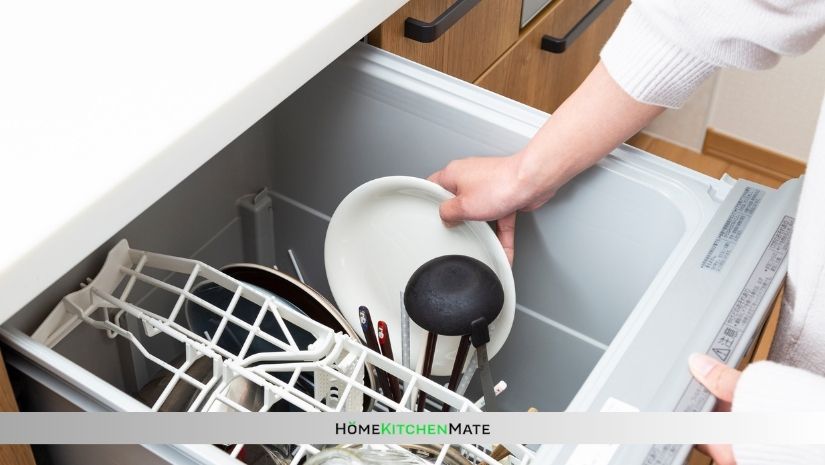
Have you ever wondered how much power your dishwasher really uses? Understanding this can help you save money on your energy bills and make smarter choices for your home.
You might be surprised to learn just how much energy goes into running this everyday appliance. You’ll discover the facts about dishwasher power consumption, how it affects your electricity usage, and simple tips to reduce it. Keep reading to take control of your energy costs without giving up the convenience you rely on.

Dishwasher Energy Consumption
Your dishwasher is a powerful appliance that saves you time and effort, but how much energy does it actually use? Understanding dishwasher energy consumption can help you make smarter choices about when and how to run it. This knowledge not only impacts your electricity bill but also your environmental footprint.
Average Power Usage Per Cycle
On average, a dishwasher uses between 1.5 to 2.5 kWh of electricity per cycle. The exact amount depends on the model and the cycle you select. Energy-efficient dishwashers tend to consume less power, often under 1.5 kWh per run.
For example, a quick wash cycle usually uses less energy than an intensive or heavy-duty cycle. If you run your dishwasher once a day, that can add up to around 45 to 75 kWh per month. Understanding this can help you decide if you need to adjust your usage habits.
Factors Affecting Energy Use
- Cycle Type:Longer and hotter cycles consume more energy. Choosing eco-friendly or shorter cycles can save power.
- Water Temperature:Using hot water increases energy consumption. Some dishwashers heat water internally, impacting total energy use.
- Dishwasher Age and Model:Newer models are generally more energy-efficient. Older dishwashers may use significantly more power.
- Load Size:Running a dishwasher with a full load maximizes energy efficiency. Partial loads waste energy and water.
Have you ever considered how often you run your dishwasher when it’s only half full? Adjusting your habits can reduce energy use without sacrificing cleanliness. Small changes like these can make a noticeable difference on your utility bill and help the environment.
Comparing Energy Efficiency
Understanding how much power your dishwasher uses starts with comparing energy efficiency across different models. Energy efficiency directly affects your electricity bills and environmental impact. Let’s look closely at what makes some dishwashers more efficient than others, so you can make smarter choices for your home.
Energy Star Ratings
The Energy Star label is your quick guide to finding dishwashers that save power without sacrificing performance. These appliances meet strict energy efficiency guidelines set by the U.S. Environmental Protection Agency.
Choosing an Energy Star dishwasher can reduce your energy use by about 12% compared to standard models. This might not seem huge day-to-day, but over a year, it adds up to significant savings.
- Energy Star dishwashers typically use less water, which also cuts down on heating costs.
- They include features like soil sensors that adjust the cycle based on how dirty your dishes are.
- Many models offer eco-friendly modes that use lower temperatures and less water.
Have you noticed how newer appliances often brag about their Energy Star certification? This label can be your first step toward cutting down your home’s energy use.
Old Vs. New Models
Comparing older dishwashers to newer ones reveals striking differences in energy consumption. Older models, especially those made before 2000, often consume twice as much electricity as modern Energy Star units.
My family had an old dishwasher for years, and switching to a new Energy Star model cut our energy bill noticeably. We also enjoyed quieter operation and better cleaning performance.
| Dishwasher Type | Average Energy Use per Cycle (kWh) | Water Usage per Cycle (Gallons) |
|---|---|---|
| Older Model (Pre-2000) | 1.5 – 2.0 | 8 – 10 |
| Modern Standard Model | 0.9 – 1.2 | 4 – 6 |
| Energy Star Certified | 0.7 – 1.0 | 3 – 4 |
Are you still using an older dishwasher? Upgrading could be one of the easiest ways to save energy at home without changing your daily routine.
Reducing Dishwasher Power Use
Reducing the power your dishwasher uses can make a noticeable difference in your electricity bill. Small changes in how you load your dishwasher and the settings you choose can lead to big savings without sacrificing cleanliness. Let’s look at practical ways you can cut down on power use while still getting your dishes spotless.
Optimal Loading Techniques
Loading your dishwasher correctly helps it run more efficiently. Avoid overcrowding; dishes need space for water and detergent to reach every surface.
Place larger items like pots and pans on the bottom rack, and smaller items like glasses and cups on the top rack. This arrangement allows water to circulate freely and reduces the need for extra rinse cycles.
Remove large food scraps before loading to prevent clogs and improve washing efficiency. You might be surprised how much power is wasted when your dishwasher has to work harder to clean heavily soiled dishes.
Selecting Energy-saving Settings
Most dishwashers come with energy-saving modes or eco-friendly cycles. These use less water and lower temperatures to reduce power consumption.
Try using the “Eco” or “Energy Saver” setting for everyday loads. It might take a bit longer, but it uses less energy overall.
Consider skipping the heated dry cycle and let your dishes air dry instead. This simple step can cut down your dishwasher’s energy use significantly without much extra effort on your part.

Frequently Asked Questions
How Much Electricity Does A Dishwasher Use Per Cycle?
A dishwasher uses about 1. 5 to 2 kWh of electricity for one full wash cycle.
Does Dishwasher Power Use Vary By Model Type?
Yes, newer models and energy-efficient dishwashers use less power than older ones.
How Does Dishwasher Power Use Compare To Hand Washing?
Dishwashers often use less water and electricity than washing dishes by hand.
Can Dishwasher Power Consumption Be Reduced?
Running full loads and using eco or energy-saving modes lowers power use.
What Factors Affect A Dishwasher’s Energy Consumption?
Cycle length, water temperature, and machine age affect how much power it uses.
Is Dishwasher Power Use Expensive On Electricity Bills?
Dishwasher use adds a small amount, usually less than $5 per month.
Conclusion
Dishwashers use different amounts of power depending on the model. Most use between 1. 5 to 2. 5 kilowatt-hours per cycle. Running the dishwasher efficiently can save energy and reduce bills. Choose eco or energy-saving modes when possible. Regular maintenance helps the machine work better and use less power.
Understanding power use helps you make smarter choices at home. Save energy without giving up clean dishes. Simple steps can make a big difference.

Rachel Bennett is a passionate home cook, kitchen enthusiast, and the voice behind Home Kitchen Mate. With years of hands-on experience experimenting in the kitchen, she blends creativity and practicality to make cooking easier and more enjoyable for everyone.