
Have you ever wondered how much water your dishwasher uses every time you run a cycle? You might be surprised to learn just how much water goes into cleaning your dishes—and why that matters for your water bill and the environment.
Understanding your dishwasher’s water use can help you make smarter choices at home. Keep reading to discover the facts and simple tips that could save you water, money, and hassle.

Water Usage In Dishwashers
Understanding how much water a dishwasher uses per cycle can help you manage your household resources better. Knowing the water consumption also allows you to choose the right appliance and adjust your usage to save both water and money. Let’s dive into the details of water usage in dishwashers.
Average Water Consumption Per Cycle
Most modern dishwashers use between 3 to 6 gallons (11 to 23 liters) of water per cycle. Older models, especially those made before 2010, can consume up to 10 or more gallons per load. The exact number depends on the dishwasher’s efficiency and the cycle selected.
For example, a quick wash cycle typically uses less water than a heavy-duty cycle designed for greasy pots and pans. If you run your dishwasher once daily, these gallons add up quickly. Have you ever wondered how much water you save compared to hand washing?
Factors Affecting Water Use
Several elements influence how much water your dishwasher uses:
- Cycle Type:Heavy or intensive cycles use more water than eco or quick washes.
- Load Size:Full loads generally use less water per dish compared to smaller loads.
- Dishwasher Age and Model:Newer, Energy Star-rated dishwashers are designed to be more water-efficient.
- Soil Level:Heavily soiled dishes may require more water and longer cycles.
By choosing the right cycle and filling your dishwasher properly, you can control water consumption effectively. Have you checked the settings on your machine lately?
Comparing Dishwasher Models
Water usage varies widely across dishwasher brands and models. High-efficiency models can use as little as 3 gallons per cycle, while some older or budget models might use twice that amount.
| Dishwasher Type | Water Usage (Gallons) | Water Usage (Liters) | Notes |
|---|---|---|---|
| Energy Star Certified | 3 – 4 | 11 – 15 | Highly efficient, lower water and energy use |
| Standard Modern Models | 4 – 6 | 15 – 23 | Average water consumption per cycle |
| Older Models (Pre-2010) | 8 – 10+ | 30 – 38+ | Less efficient, uses more water |
When shopping for a new dishwasher, look for water consumption ratings. It’s worth asking yourself—would investing in a water-efficient model save you enough on utility bills?
Saving Water With Efficient Practices
Saving water during your dishwasher cycles is easier than you might think. Small changes in how you use your dishwasher can lead to big savings on water without sacrificing cleanliness. Let’s look at practical ways to make every drop count while keeping your dishes sparkling.
Choosing Eco-friendly Cycles
Most modern dishwashers come with eco-friendly or water-saving cycles. These cycles use less water by extending wash time but at lower temperatures. Have you checked if your dishwasher has this option?
Using eco cycles can reduce water use by up to 40% compared to regular settings. It’s a simple choice that doesn’t require extra effort but makes a noticeable difference in water consumption.
Loading Tips To Reduce Water Waste
How you load your dishwasher impacts water efficiency more than you might expect. Avoid overcrowding, which can cause the machine to use extra water to reach all surfaces. At the same time, don’t run the dishwasher half-empty—this wastes water and energy.
- Place larger items on the sides and back to allow water flow.
- Scrape off food scraps instead of rinsing dishes under running water.
- Stack plates and bowls carefully to avoid blocking spray arms.
Taking a moment to load your dishwasher correctly can reduce the number of cycles you run, saving water over time.
When To Run Your Dishwasher
Timing your dishwasher runs can also save water. Wait until you have a full load before starting to maximize water use efficiency. Running it multiple times with small loads wastes water and energy.
Consider scheduling your dishwasher to run overnight if your utility offers lower water rates at that time. This doesn’t save water but can reduce your water bill. Are you making the most of your dishwasher’s capacity and timing?
Alternatives To Save More Water
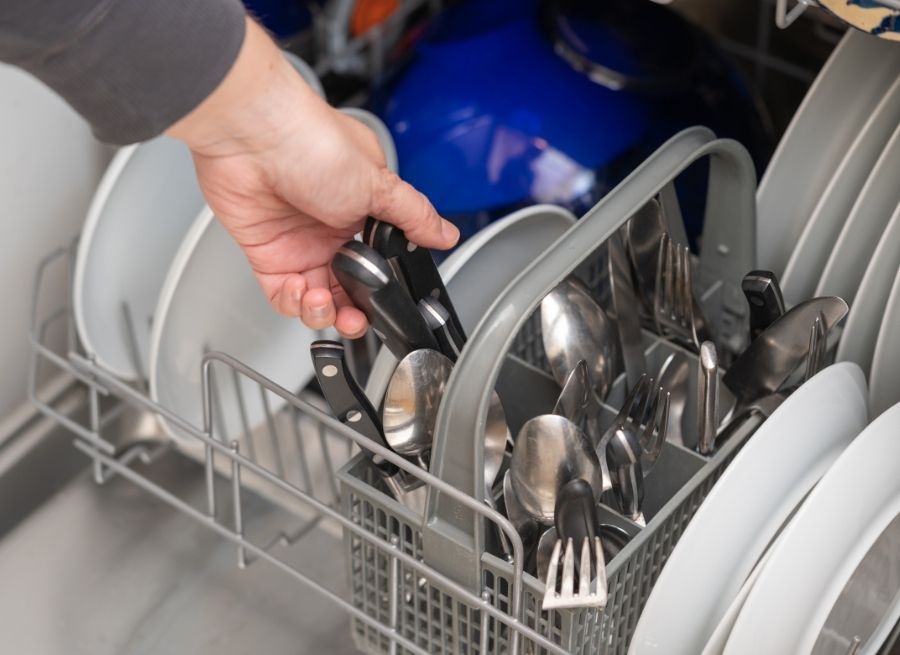
Saving water during dishwashing is easier than you might think. Small changes in how you use your dishwasher or wash dishes by hand can add up to big water savings. Let’s look at some practical alternatives that help you use less water without sacrificing clean dishes.
Hand Washing Vs. Dishwasher Water Use
Did you know that hand washing dishes can sometimes use more water than a dishwasher? It depends on your habits. Washing dishes under a running tap can waste up to 27 gallons of water per session.
Using a dishwasher wisely often saves water. Most modern dishwashers use about 3 to 5 gallons per cycle, which is less than hand washing when you fill a basin or leave the tap running. To save water, try scraping food off dishes instead of rinsing them before loading the dishwasher.
Upgrading To Water-saving Appliances
Older dishwashers tend to use more water. If your dishwasher is over 10 years old, it could be using twice as much water as newer models. Upgrading to a WaterSense-labeled dishwasher can reduce water use by 15% or more.
Look for features like eco or quick wash cycles that use less water. These cycles are perfect for lightly soiled dishes and can save both water and energy. Investing in a water-efficient dishwasher pays off in lower water bills and a smaller environmental footprint.
Maintenance For Optimal Efficiency
Keeping your dishwasher in good shape helps it use water efficiently. Clogged spray arms or filters reduce cleaning power and may cause the machine to use extra water or run longer cycles.
Clean your dishwasher’s filter regularly and check that spray arms spin freely. Running a cleaning cycle with dishwasher cleaner once a month can prevent buildup that wastes water. How often do you check your appliance’s performance? A little upkeep goes a long way.
Frequently Asked Questions
How Much Water Does A Dishwasher Use Per Cycle?
A typical dishwasher uses about 3 to 5 gallons of water per cycle, saving water compared to hand washing.
Does Dishwasher Water Use Vary By Model Type?
Yes, newer and energy-efficient models often use less water, sometimes as little as 2 gallons per cycle.
How Does Water Usage In Dishwashers Compare To Hand Washing?
Dishwashers usually use less water than hand washing, especially if the dishwasher is fully loaded.
Can Using Eco Or Water-saving Modes Reduce Water Use?
Eco or water-saving modes use less water and energy by running shorter or cooler cycles.
Does Dishwasher Size Affect Water Consumption?
Larger dishwashers might use more water, but many modern large models still use water efficiently.
How Often Should I Run My Dishwasher To Save Water?
Running the dishwasher only when full helps save water and energy compared to washing small loads.
Conclusion
A dishwasher uses between 3 to 6 gallons of water per cycle. This amount depends on the model and settings you choose. Newer dishwashers tend to use less water than older ones. Saving water helps lower bills and protects the environment.
Running full loads also reduces water waste. Knowing your dishwasher’s water use helps make smart choices. Small changes can lead to big savings over time. Keep your dishwasher maintained for best performance. Clean dishes and save water—both are possible together.

Rachel Bennett is a passionate home cook, kitchen enthusiast, and the voice behind Home Kitchen Mate. With years of hands-on experience experimenting in the kitchen, she blends creativity and practicality to make cooking easier and more enjoyable for everyone.