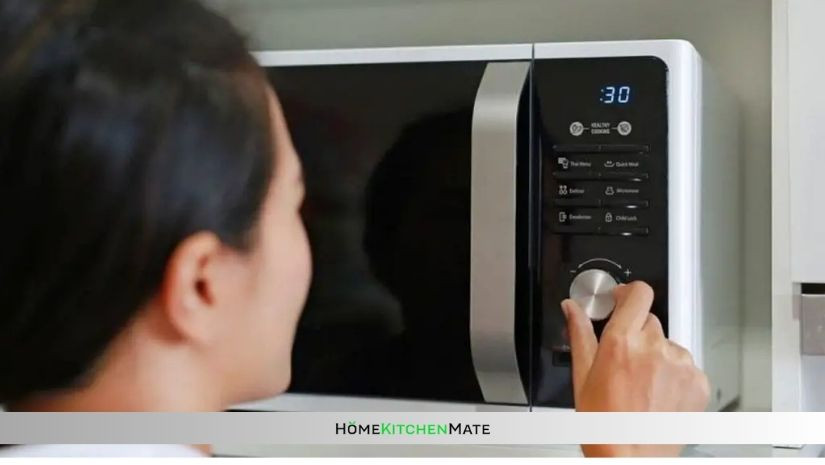
Have you ever wondered how much electricity your microwave really uses? Knowing the wattage of your microwave can help you understand its power, efficiency, and impact on your energy bill.
Whether you want to save money, choose the right microwave, or just satisfy your curiosity, this guide will give you clear answers. Keep reading to discover everything you need to know about microwave wattage and how it affects your daily life.
Microwave Wattage Basics
Understanding the basics of microwave wattage can help you choose the right appliance and use it more efficiently. Wattage directly influences how fast and evenly your food cooks. Knowing what wattage means for your microwave’s performance can save you time and energy.
Common Wattage Ranges
Microwaves usually come with wattage ratings ranging from about 600 to 1200 watts. Lower wattage models, around 600 to 800 watts, are often found in compact or budget-friendly microwaves. Higher wattage microwaves, 1000 watts and above, cook food faster and more evenly.
Have you noticed that your microwave sometimes takes longer than the recipe suggests? It might be because your microwave’s wattage is lower than what the recipe assumes. Recipes often assume a 1000-watt microwave, so if yours is 700 watts, cooking times will need adjusting.
How Wattage Affects Cooking
Higher wattage means more power and faster cooking. This is useful when you’re in a hurry or need to defrost food quickly. However, intense power can sometimes overcook edges while leaving the center cold if you’re not careful.
Lower wattage microwaves take longer to heat food but may provide gentler cooking. This can be better for delicate dishes that need gradual warming. Have you ever had a meal that was hot on the edges but cold inside? That’s often due to wattage and uneven heat distribution.
Knowing your microwave’s wattage helps you adjust cooking times and power levels correctly. This simple step can improve your meal’s texture and taste without guesswork. Are you ready to check your microwave’s wattage and cook smarter?
Energy Consumption Factors
Understanding what affects a microwave’s energy consumption can help you manage your electricity bills better. Several factors influence how much power your microwave uses during operation. Let’s break down these key points so you can make smarter choices in your kitchen.
Power Settings And Usage
Your microwave doesn’t always run at full power. Different power levels use varying amounts of electricity. For instance, defrosting usually requires less wattage than cooking at high heat.
Think about how often you use high power versus low power. Running your microwave on high for a short time might use the same energy as a longer cook time on a lower setting. Adjusting power levels to match the food you’re heating can save energy and prevent overcooking.
Have you noticed how some quick heating tasks don’t need full power? Try experimenting with lower settings to see how it affects your cooking time and energy use.
Microwave Size And Efficiency
The size of your microwave plays a big role in energy use. Larger microwaves generally consume more watts because they have a bigger cooking area and more powerful magnetrons.
Efficiency varies between models. Newer microwaves often have better technology that heats food faster and more evenly, reducing overall energy consumption. An old microwave might use 1000 watts, while a newer, efficient model can do the same job with less power.
If you have a small household, a compact microwave could be more energy-friendly. On the other hand, if you regularly prepare large meals, investing in an efficient large microwave might be worth it.
Saving Energy With Microwaves
Saving energy with microwaves is easier than you might think. Microwaves generally use less power than ovens, but the model you choose and how you use it can make a big difference. Small changes can lead to noticeable savings on your electricity bill.
Choosing Energy-efficient Models
Look for microwaves with an Energy Star rating or similar certifications. These models use advanced technology to cook food faster while consuming less power. For example, inverter microwaves adjust the power level more precisely, reducing energy waste compared to traditional on/off cycling.
Size matters too. A smaller microwave uses less wattage, so pick one that fits your typical cooking needs. If you mostly reheat small meals, a compact model can save energy without sacrificing convenience.
Tips To Reduce Power Usage
- Use the microwave for reheating and cooking small portions:It heats food faster than an oven, using less energy overall.
- Cover your food:This traps steam and cooks the food quicker, cutting down the time the microwave runs.
- Avoid overcooking:Pay attention to recommended cooking times to prevent wasting energy.
- Keep the microwave clean:Food residue can absorb energy and reduce efficiency.
- Unplug when not in use:Some microwaves draw standby power even when turned off.
Have you ever timed how long your microwave runs compared to an oven? You might be surprised how much energy you save by switching to microwave cooking for simple meals. Try tracking your usage for a week and see the difference yourself.
Frequently Asked Questions
How Many Watts Does A Typical Microwave Use?
Most microwaves use between 600 and 1200 watts of power.
Does Microwave Wattage Affect Cooking Speed?
Higher wattage microwaves cook food faster and more evenly.
Can I Use A Low Wattage Microwave For Cooking?
Yes, but cooking may take longer and may be uneven.
How To Find My Microwave’s Wattage?
Check the label inside the microwave door or the user manual.
Does Higher Wattage Mean Higher Electricity Cost?
Higher wattage microwaves use more power but cook faster, balancing cost.
Is Wattage Important For Microwave Reheating?
Yes, wattage affects how quickly and evenly food heats up.
Conclusion
Microwaves usually use between 600 and 1200 watts. Higher wattage means faster cooking times and more power. Knowing your microwave’s wattage helps estimate energy use. This info saves money and avoids overloading circuits. Always check the label or manual for exact wattage.
Use this knowledge to cook smarter and safer. Simple steps make a big difference in your kitchen. Understanding wattage leads to better meal planning every day.

Rachel Bennett is a passionate home cook, kitchen enthusiast, and the voice behind Home Kitchen Mate. With years of hands-on experience experimenting in the kitchen, she blends creativity and practicality to make cooking easier and more enjoyable for everyone.