Baking bread at home can feel like a magic trick, especially when you don’t have all the fancy tools. If you’ve ever wondered how to get that perfect crust and soft inside without a Dutch oven, you’re in the right place.
Imagine pulling a warm, golden loaf from your oven—crispy on the outside, tender on the inside—all made with simple equipment you already have. You’ll discover easy, clever ways to bake delicious bread without a Dutch oven. Ready to impress yourself and anyone who tastes your bread?
Let’s get started!
Choosing The Right Bread Recipe
Choosing the right bread recipe makes baking without a Dutch oven easier. Some doughs work better in a regular oven or on a baking sheet. The recipe you pick affects the crust, texture, and rise of your bread.
Best Dough Types For No Dutch Oven
Lean doughs with less fat and sugar bake well without a Dutch oven. They form a crisp crust naturally. Examples include:
- Basic artisan or country bread
- French baguettes
- Ciabatta with open crumb
- Whole wheat or multigrain loaves
These doughs handle the dry heat of a regular oven better. They do not rely on steam traps inside a Dutch oven.
Adjusting Hydration For Oven Baking
Hydration means the amount of water in your dough. High hydration doughs are wetter and stickier. They need steam to bake properly.
Lower the hydration slightly to help shape and bake without a Dutch oven. Try reducing water by 5-10%. This creates a firmer dough that keeps its shape.
Less wet dough forms a better crust in open oven heat. It also makes handling easier for beginners.
Alternative Baking Methods
Baking bread without a Dutch oven is easier than it seems. Many home bakers think a Dutch oven is a must-have. Yet, several alternative methods give great results. These methods create the right heat and moisture to bake crusty, soft bread.
Using common kitchen tools can help replicate the effects of a Dutch oven. Each method offers a unique way to trap steam and distribute heat evenly. This keeps the bread crust crisp and crumb tender.
Using A Baking Sheet Or Tray
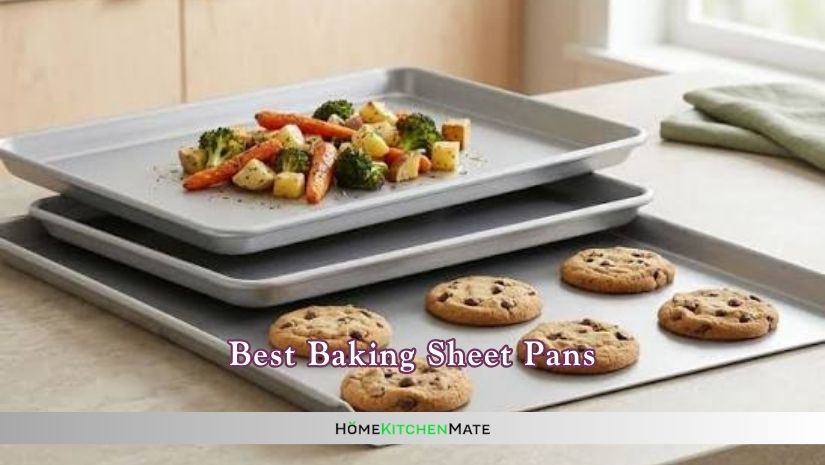
A baking sheet or tray works well for baking bread. Place the dough directly on the sheet lined with parchment paper. For a crisp crust, preheat the sheet in the oven. It helps the bread start baking immediately when placed inside.
To add steam, pour hot water into a metal pan placed on the lower rack. This creates moisture around the bread during baking. Keep the oven door closed to trap steam and heat.
Baking With A Cast Iron Skillet
A cast iron skillet mimics the heat retention of a Dutch oven. Preheat the skillet upside down in the oven. Place the dough inside on parchment paper or directly on the skillet.
Cover the skillet with a large metal bowl or a lid to trap steam. This creates a mini-oven effect. Remove the cover halfway through baking to brown the crust.
Creating Steam Without A Dutch Oven
Steam is key for good bread crust. Use a spray bottle to mist water inside the oven before and during the first 10 minutes of baking. Another way is to place a tray with boiling water on the oven floor.
Some bakers put ice cubes in a hot pan to produce steam quickly. This moisture helps the bread rise well and form a crispy crust. Remember, always keep the oven door closed after adding steam.
Tips For Perfect Crust And Texture
Achieving a perfect crust and texture without a Dutch oven requires careful attention to a few key details. These tips help create a crust that is crisp and a crumb that is soft and airy. Small changes can make a big difference in your bread baking success.
Scoring Techniques
Scoring helps control where the bread expands during baking. Use a sharp knife or a razor blade to make quick, shallow cuts on the dough surface. These cuts allow steam to escape and give the bread a beautiful, rustic look. Try simple slashes or creative patterns for visual appeal. Avoid pressing too hard to keep the dough from deflating.
Optimal Oven Temperatures
Start baking with a very hot oven, around 450°F (230°C). This heat helps form the crust quickly. After 10-15 minutes, lower the temperature to 400°F (205°C) to finish baking inside. Use an oven thermometer to check accuracy. Place a pan with water on the bottom rack to create steam. Steam keeps the crust moist at first, then crisps it as the baking continues.
Cooling And Storing Your Bread
Cool the bread completely on a wire rack after baking. This prevents moisture buildup and soggy crusts. Avoid covering the bread while it is hot. Store bread in a paper bag or bread box for a few days. For longer storage, slice and freeze the bread. Thaw slices at room temperature or toast them to enjoy fresh taste.
Frequently Asked Questions
How Can I Bake Bread Without A Dutch Oven?
Use a heavy baking sheet or a cast iron skillet with a lid to trap steam and bake bread.
What Are Good Alternatives To A Dutch Oven For Bread Baking?
Covered roasting pans, deep oven-safe pots, or baking stones work well as Dutch oven substitutes.
How Do I Create Steam Without A Dutch Oven?
Place a pan of hot water in the oven or spray water inside to keep crust moist.
Can I Bake Sourdough Bread Without A Dutch Oven?
Yes, using a covered pan or baking stone helps create the right environment for sourdough.
What Temperature Should I Bake Bread Without A Dutch Oven?
Bake at 450°F (230°C) to ensure a crispy crust and proper bread rise.
How Long Should I Bake Bread Without A Dutch Oven?
Bake for 25 to 35 minutes, adjusting time based on bread size and oven type.
Conclusion
Baking bread without a Dutch oven is easier than it seems. You can use simple tools found in your kitchen. A baking sheet or a heavy pan works well. Steaming the oven helps create a crispy crust. Practice and patience will improve your bread each time.
Enjoy fresh, homemade bread without special equipment. Baking at home brings warmth and comfort to any meal. Try different methods and find what works best for you. Keep baking, and soon you’ll love the results.

Rachel Bennett is a passionate home cook, kitchen enthusiast, and the voice behind Home Kitchen Mate. With years of hands-on experience experimenting in the kitchen, she blends creativity and practicality to make cooking easier and more enjoyable for everyone.