Are you tired of the same old way of cooking eggs? Baking eggs in the oven might be the simple, hands-off method you didn’t know you needed.
Imagine having perfectly cooked eggs without standing over the stove or worrying about flipping them just right. You’ll discover easy steps to bake eggs that are creamy, delicious, and ready when you want them. Keep reading, and you’ll unlock a new breakfast hack that saves you time and makes your mornings better.
Preparing Eggs For Baking
Preparing eggs for baking sets the foundation for a perfect dish. Your choices at this stage influence texture, flavor, and how easy it is to clean up afterward. Paying attention to details like the type of eggs, bakeware, and added ingredients can transform a simple bake into a satisfying meal.
Choosing The Right Eggs
Start with fresh eggs for the best taste and texture. Fresh eggs hold their shape better and create a more appealing presentation when baked. If you can, pick eggs labeled as organic or free-range—they often have richer yolks and a creamier consistency.
Think about the size too. Large eggs are standard in most recipes, so using them keeps your baking consistent. Have you noticed how some eggs smell stronger or taste different? That can affect your final dish, so smell and inspect them before use.
Selecting Suitable Bakeware
Choosing the right bakeware makes baking eggs easier and more enjoyable. Small ramekins work great for single servings, while a shallow casserole dish suits group meals. Non-stick or ceramic dishes help with easy removal and less mess.
Consider the shape and depth of your bakeware—shallow dishes allow eggs to cook evenly and quickly. Have you ever struggled with eggs sticking to your pan? Using a light grease or butter can help, but picking the right dish minimizes this problem.
Adding Flavor And Ingredients
Enhance your baked eggs with simple additions that boost flavor. Sprinkle herbs like chives or parsley for freshness, or add cheese for richness. Don’t overlook seasoning—salt and pepper are essential but experiment with spices like paprika or garlic powder for variety.
Mix-ins like diced vegetables or cooked bacon can add texture and heartiness. Try layering ingredients carefully—placing veggies under the eggs prevents them from burning. What flavors excite your taste buds? Adding them thoughtfully makes your baked eggs uniquely yours.
Baking Process
Baking eggs in the oven offers a hands-off approach that delivers consistent results. The key lies in understanding the baking process so your eggs come out just right—never rubbery or underdone. Let’s dig into the crucial elements of this process to help you master oven-baked eggs every time.
Setting Oven Temperature
Choosing the right oven temperature is essential for perfectly baked eggs. A moderate heat around 325°F to 350°F (160°C to 175°C) works best to cook eggs gently and evenly.
Higher temperatures can cause the eggs to cook too fast, resulting in a tough texture. If you prefer your eggs soft and creamy, stick closer to 325°F. For firmer eggs, 350°F will do the trick.
Timing For Different Egg Styles
Different egg styles require different baking times. Here’s a quick guide to help you decide how long to bake:
| Egg Style | Baking Time | Result |
|---|---|---|
| Soft Baked Eggs | 10-12 minutes | Runny yolks with set whites |
| Medium Baked Eggs | 13-15 minutes | Semi-firm yolks, fully set whites |
| Hard Baked Eggs | 16-18 minutes | Fully set yolks and whites |
Have you ever pulled eggs out too soon and ended up with gooey whites? Timing really makes all the difference.
Tips To Avoid Overcooking
Oven temperatures and timing can sometimes vary, so keep an eye on your eggs. To prevent overcooking, try these tips:
- Use an oven thermometer to ensure accurate temperature.
- Check eggs a minute or two before the minimum baking time ends.
- Remove eggs promptly and let them rest; carryover heat will finish cooking gently.
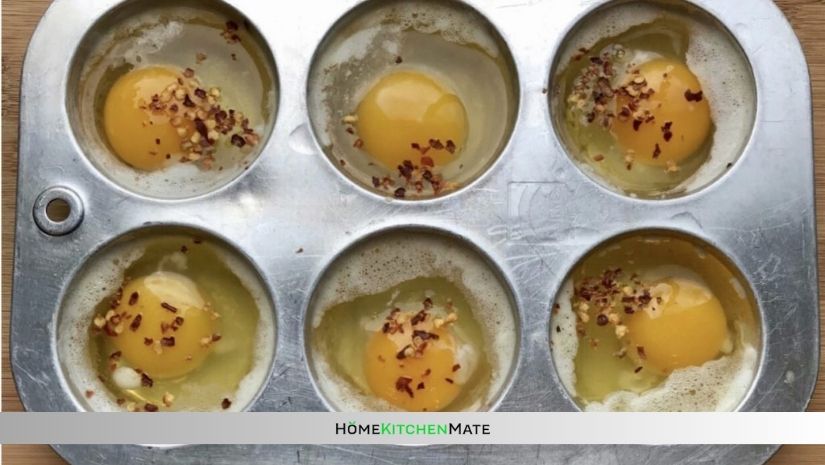
- Consider using ramekins or muffin tins to keep eggs contained and cook evenly.
Once, I left eggs in the oven a bit too long, and the texture turned chalky. Now, I always set a timer and trust the resting step to perfect my bake.
Serving And Storage
Once your eggs are baked to perfection, how you serve and store them can make a big difference in taste and convenience. Serving baked eggs right away ensures you enjoy their creamy texture, while proper storage keeps leftovers fresh for your next meal. Let’s look at some easy ways to present your baked eggs and handle leftovers safely.
Plating Ideas For Baked Eggs
Think beyond the basic plate. Serve your baked eggs in small ramekins or colorful bowls to make them look inviting. Garnish with fresh herbs like parsley or chives, a sprinkle of cheese, or a dash of hot sauce to add flavor and visual appeal.
Want to impress guests? Place your baked eggs on a toasted English muffin or a slice of crusty bread. Adding a few slices of avocado or tomato on the side brightens the plate and balances the richness of the eggs.
Pairing With Breakfast Sides
Baked eggs pair wonderfully with many breakfast favorites. Crisp bacon or sausage adds a salty contrast, while roasted vegetables bring a healthy crunch. Don’t forget a fresh fruit salad or a smoothie to lighten the meal.
Consider serving baked eggs with a side of sautéed spinach or mushrooms for extra nutrients. How about a dollop of Greek yogurt or a drizzle of pesto? These small touches can elevate your breakfast without extra effort.
Storing Leftovers Safely
Leftover baked eggs can be a quick breakfast the next day if stored correctly. Let them cool completely before covering tightly with plastic wrap or placing in an airtight container.
Store in the refrigerator for up to 3 days. To reheat, use a microwave or oven at low heat to avoid overcooking. Have you ever tried freezing baked eggs? It’s possible but texture may change, so fresh is usually best.
Frequently Asked Questions
How Long Does It Take To Bake Eggs In The Oven?
Baking eggs usually takes 10 to 15 minutes at 350°F (175°C) for firm whites and yolks.
What Temperature Is Best For Baking Eggs?
A temperature of 350°F (175°C) works well to bake eggs evenly without burning.
Can You Bake Eggs Without A Dish?
Using a baking dish helps keep eggs contained and cooks them evenly in the oven.
How Do You Prevent Eggs From Sticking In The Oven?
Grease the baking dish with oil or butter to stop eggs from sticking during baking.
Can Baked Eggs Be Cooked Ahead And Reheated?
Yes, baked eggs can be made ahead and reheated gently in the oven or microwave.
Are Baked Eggs Healthier Than Fried Eggs?
Baked eggs need less oil, making them a lower-fat, healthier option than fried eggs.
Conclusion
Baking eggs in the oven is simple and quick. You can cook many eggs at once without much effort. The oven makes eggs fluffy and evenly cooked. Try different spices or toppings to change the flavor. Baking eggs saves time and keeps your kitchen clean.
Give it a try for your next breakfast or snack. Enjoy a healthy, tasty meal with little work. Baking eggs in the oven fits any schedule or taste. Easy, fast, and delicious—what more do you need?

Rachel Bennett is a passionate home cook, kitchen enthusiast, and the voice behind Home Kitchen Mate. With years of hands-on experience experimenting in the kitchen, she blends creativity and practicality to make cooking easier and more enjoyable for everyone.