Baking sourdough at home is deeply rewarding, but what if you don’t have a Dutch oven? You might think that without this special pot, your bread won’t turn out right.
The good news? You can still achieve that perfect crust and soft crumb without one. Imagine pulling a golden, aromatic loaf from your own oven, impressing yourself and anyone who tastes it. In this guide, you’ll discover simple, effective methods to bake sourdough without a Dutch oven—no expensive gear needed.
Ready to unlock the secrets and bake like a pro? Keep reading, because your best loaf yet is just a few steps away.
Alternative Baking Tools
Baking sourdough without a Dutch oven might seem tricky at first, but you don’t need specialized gear to get that perfect crust and crumb. Several common kitchen tools can step in and deliver excellent results. These alternatives help retain heat and moisture, which are key for baking sourdough bread.
Using A Cast Iron Skillet
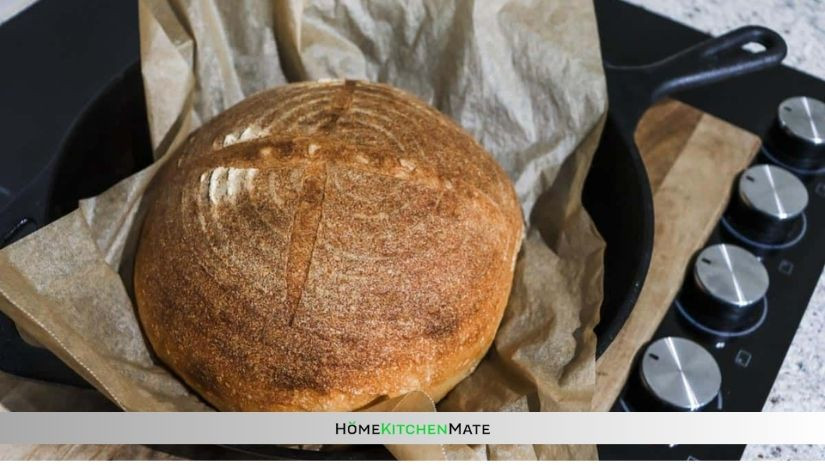
A cast iron skillet is a fantastic tool for baking sourdough. Its thick walls hold heat evenly, mimicking the environment of a Dutch oven.
Preheat the skillet in your oven, then carefully place your dough inside. Cover the skillet with a large, heatproof bowl or a metal lid to trap steam.
This setup creates a steamy environment that’s crucial for a crispy crust. Have you noticed how your skillet heats quickly and holds warmth? That’s the secret to a great bake.
Baking On A Pizza Stone
A pizza stone provides a hot, consistent surface that helps your sourdough develop a nice bottom crust. Place the stone in the oven during preheating to ensure it’s thoroughly heated.
Slide your loaf onto the stone using a parchment paper or a peel. To add steam, you can place a pan with water on the bottom rack or spritz the oven walls with water right after putting in the dough.
Have you tried adjusting steam levels with this method? It can dramatically change your crust’s texture.
Employing A Covered Casserole Dish
A covered casserole dish works similarly to a Dutch oven by locking in moisture. Use a heavy ceramic or glass dish with a tight-fitting lid.
Preheat the dish in the oven, then gently transfer your dough inside. Cover it and bake as usual, removing the lid towards the end to brown the crust.
This method helps trap steam and heat around the dough. What types of casserole dishes do you have that might work better than you think?
Techniques For Crispy Crust
A crispy crust is key to great sourdough bread. Without a Dutch oven, you can still achieve that perfect crunch. Use smart techniques to build steam, control oven heat, and shape your bread. These steps help your sourdough develop a crust that is thin, crackly, and full of flavor.
Creating Steam Without A Dutch Oven
Steam helps the crust stay moist at first, allowing it to expand before it hardens. To create steam without a Dutch oven:
- Place a metal tray or pan at the bottom of the oven while preheating.
- Just before baking, pour hot water into the tray to create steam.
- Spray water inside the oven quickly using a spray bottle.
- Cover the dough with a large, heat-safe bowl during the first 10 minutes of baking.
These methods trap moisture and improve crust texture without special cookware.
Adjusting Oven Temperature And Timing
Start baking at a high temperature, around 450°F (230°C), to help the crust form fast. After 15-20 minutes, lower the temperature to 400°F (205°C) to finish baking. This prevents the crust from burning while the inside cooks through.
Keep the oven door closed as much as possible. Opening it lets steam escape and cools the oven down, which can make the crust less crispy.
Scoring For Optimal Expansion
Scoring means making shallow cuts on the dough surface before baking. It guides the bread’s rise and avoids random cracks.
- Use a sharp knife or razor blade.
- Make clean, quick cuts about 1/4 inch deep.
- Score patterns like a single long slash or a cross.
Proper scoring helps the crust stretch and crisp evenly without tearing.
Troubleshooting Common Issues
Baking sourdough without a Dutch oven can bring some challenges. Common issues like a dense crumb, overbaking, or dry bread can affect your results. Understanding these problems helps you fix them quickly. Here are practical tips to keep your sourdough perfect every time.
Avoiding A Dense Crumb
A dense crumb often happens because of underproofing or incorrect dough handling. Let your dough rise until it doubles in size. Gently stretch and fold the dough during bulk fermentation to build strength. Avoid punching down the dough harshly. Use bread flour or a mix with all-purpose for better gluten development.
Check your starter is active and bubbly before mixing. Weak starter means less rise and dense bread. Keep fermentation times consistent and adjust for room temperature changes.
Preventing Overbaking
Overbaked sourdough becomes too hard and dry. Set a timer for your bake and watch the crust color. Bake until the crust is golden brown, not dark brown. Use an instant-read thermometer to check internal bread temperature; it should be around 200-210°F (93-99°C).
Reduce oven temperature slightly if your bread browns too fast. Cover your bread loosely with foil halfway through baking to stop further browning.
Maintaining Moisture In The Bread
Moisture keeps sourdough soft and fresh longer. Add steam during the first 10-15 minutes of baking by placing a pan of hot water in the oven. You can also spray water inside the oven before baking. Wrap the cooled bread in a clean kitchen towel to keep it moist.
Avoid storing bread in plastic bags as this traps moisture and softens the crust. Use paper bags or bread boxes for storage instead.
Frequently Asked Questions
How Can I Bake Sourdough Without A Dutch Oven?
Use a heavy baking sheet or cast-iron skillet with a covered bowl to trap steam.
What Are Good Alternatives To A Dutch Oven For Sourdough?
A covered pot, roasting pan with lid, or baking stone work well for baking.
How Do I Create Steam Without A Dutch Oven?
Place a pan with water in the oven or spray water on dough before baking.
Can I Bake Sourdough On A Baking Stone Without A Dutch Oven?
Yes, preheat the stone and cover the bread with a large metal bowl during baking.
What Temperature Should I Bake Sourdough Without A Dutch Oven?
Bake at 450°F (230°C) for a crispy crust and soft inside.
How Long Should I Bake Sourdough Without A Dutch Oven?
Bake for 20-25 minutes covered, then 15-20 minutes uncovered for a golden crust.
Conclusion
Baking sourdough without a Dutch oven is simple and fun. You can use common kitchen tools like a baking sheet and a bowl. Steam helps create a crispy crust, so add water carefully. Keep your oven hot and watch your bread closely.
Practice makes perfect, and each loaf will taste better. Enjoy the process and share your fresh bread with friends. No Dutch oven? No problem!

Rachel Bennett is a passionate home cook, kitchen enthusiast, and the voice behind Home Kitchen Mate. With years of hands-on experience experimenting in the kitchen, she blends creativity and practicality to make cooking easier and more enjoyable for everyone.