Choosing the right blender for your smoothies and soups can make all the difference in your kitchen. You want a blender that’s powerful, easy to use, and fits your lifestyle perfectly.
But with so many options out there, how do you know which one is best for you? This guide will help you cut through the noise and find the blender that turns your favorite recipes into delicious, smooth creations every time.
Keep reading, and soon you’ll be blending like a pro without any guesswork.
Types Of Blenders
Choosing the right blender depends on the type of blender you need. Different blenders serve different purposes. Understanding the types helps you pick the best one for smoothies and soups. Here are the main types of blenders to consider.
Countertop Blenders
Countertop blenders are the most common type. They have a large jar and powerful motor. These blenders handle a variety of tasks, like crushing ice and blending tough ingredients. They are great for making large batches of smoothies and soups. Easy to use and clean, they fit well in most kitchens.
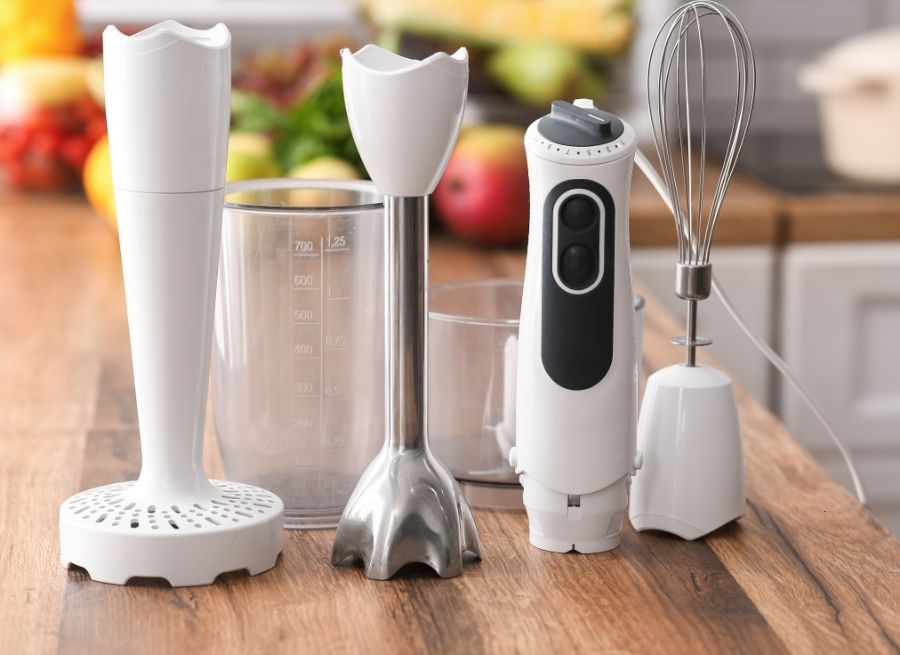
Immersion Blenders
Immersion blenders are handheld and lightweight. They allow you to blend directly in pots or bowls. Perfect for pureeing soups without transferring hot liquids. They take up little space and are easy to store. Ideal for quick blending tasks and small servings.
Personal Blenders
Personal blenders are compact and designed for single servings. Usually come with small cups you can drink from directly. Best for quick smoothies or shakes on the go. They are lightweight and easy to clean but may not handle thick soups well.
High-performance Blenders
High-performance blenders have strong motors and sharp blades. They can blend hard ingredients into smooth textures. These blenders work well for creamy soups and thick smoothies. Usually more expensive but offer better results. A good choice for those who blend often and want smooth, consistent blends.
Key Features To Consider
Choosing the right blender involves checking several important features. These features affect how well your blender works for smoothies and soups. Focus on the parts that impact power, size, and ease of use. This guide will help you pick a blender that fits your needs and kitchen.
Motor Power And Speed Settings
Motor power matters for blending tough ingredients. Higher wattage means stronger power. Look for blenders with at least 500 watts for smooth results. Speed settings let you control blending texture. Multiple speeds help blend soft fruits and hard vegetables well.
Blade Design And Material
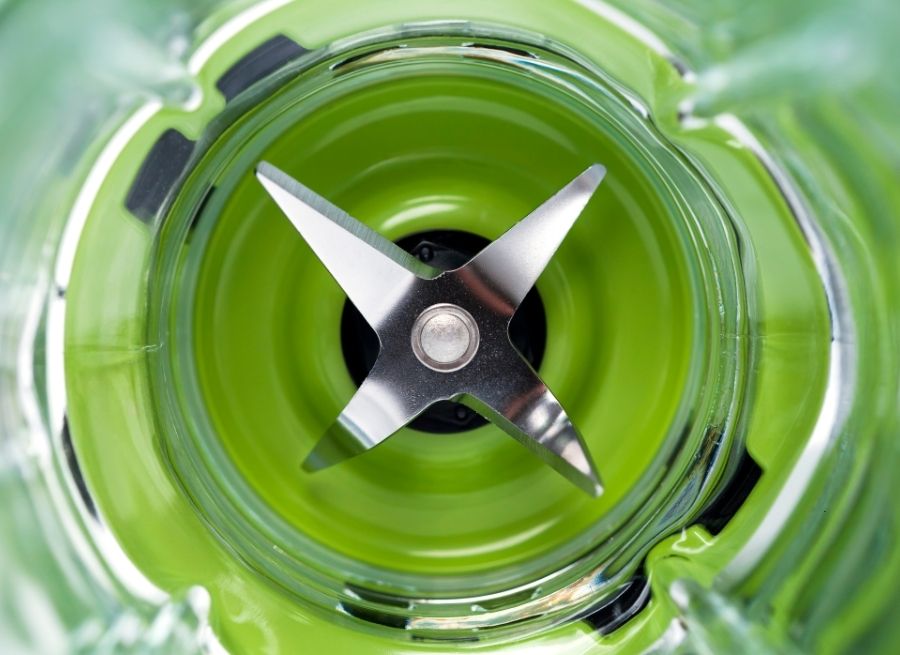
Blades must be sharp and durable. Stainless steel blades resist rust and stay sharp longer. Look for blades designed to create a vortex for better mixing. Some blenders have removable blades for easy cleaning.
Jar Capacity And Material
Choose a jar size that suits your needs. Small jars save space but hold less. Large jars fit family-sized portions. Materials include glass, plastic, and stainless steel. Glass jars are heavy but scratch-resistant. Plastic jars are light but may stain. Stainless steel jars are durable but you cannot see inside.
Ease Of Cleaning
Cleaning should be simple and quick. Dishwasher-safe parts save time. Blenders with removable blades clean better. Some jars have wide mouths for easy access. Avoid models with many small parts to reduce cleaning effort.
Noise Levels
Blenders can be loud during use. Check noise ratings if you prefer quiet appliances. Some blenders have noise-reduction features. Quiet blenders make early morning smoothies without waking others.
Blenders For Smoothies
Choosing the right blender for smoothies helps you create delicious and healthy drinks. Smoothies need a blender that can break down fruits and vegetables smoothly. The blender should be strong enough to crush ice and frozen fruits. A good blender makes your smoothies creamy and easy to drink.
Not all blenders work the same. Some are better for soft fruits, while others handle tougher ingredients well. Knowing what to expect from your blender helps you pick the best one for your needs.
Best Blenders For Fruits And Vegetables
Look for blenders with powerful motors, usually 500 watts or more. Strong motors crush fruits and vegetables quickly. Blades made of stainless steel last longer and cut better. Large pitchers help blend bigger batches at once. Choose blenders with easy controls and simple cleaning parts.
Smooth Texture Tips
Cut fruits and vegetables into small pieces before blending. Add some liquid like water, juice, or milk to help blending. Start blending at low speed and increase it slowly. Use pulse mode to crush hard pieces gently. Blend longer for a smoother texture, but not too long to avoid heating.
Handling Frozen Ingredients
Frozen fruits add chill and thickness to smoothies. Use a blender with strong blades and motor for frozen items. Let frozen fruits thaw slightly for easier blending. Add a little liquid to help blades move freely. Avoid overloading the blender to prevent damage.
Blenders For Soups
Choosing the right blender for soups is important for smooth and hot results. A good blender makes soup preparation quick and easy. It handles both raw and cooked ingredients without trouble. The right features ensure safety and perfect texture every time.
Blenders designed for soups need specific qualities to handle hot liquids and create a creamy finish. Understanding these features helps you pick the best blender for your kitchen.
Hot Liquids And Safety Features
Blending hot liquids requires special safety features. A strong, heat-resistant jar helps prevent cracks. Some blenders have lids with vents to release steam safely. This avoids pressure build-up and spills. Non-slip bases keep the blender stable during use.
Blending Consistency
Soup texture depends on blending consistency. Powerful motors crush ingredients into smooth blends. Multiple speed settings offer control over texture. A blender with sharp blades helps create creamy soups without chunks. Consistent blending improves flavor and mouthfeel.
Heating Functions
Some blenders heat soups while blending. Built-in heating elements cook ingredients evenly. This saves time by combining blending and cooking. Heating functions allow for warm soups straight from the blender. Look for models with easy temperature control.
Budget And Brand Considerations
Choosing the right blender means balancing your budget and brand trust. Your budget sets the limit for features and power. Brands often reflect quality and customer service. Understanding both helps pick a blender that lasts and performs well.
Affordable Options
Affordable blenders fit small budgets without losing basic functions. They blend smoothies and soups well for daily use. These models often have fewer speed settings and less power. They suit simple recipes and light use. Many affordable blenders are compact and easy to store.
Premium Models
Premium blenders offer strong motors and many features. They handle tough ingredients and large batches easily. These models include variable speeds and preset programs. They often come with durable jars and noise reduction. Premium blenders cost more but provide better performance and durability.
Reliable Brands
Reliable brands have good reviews and customer support. They use quality materials and tested designs. Choosing a known brand reduces risks of early breakdowns. Brands with warranties offer peace of mind. Trustworthy brands keep parts and accessories available for years.
Additional Accessories And Features
Choosing a blender involves more than just power and size. Accessories and extra features can make your blending easier and more enjoyable. These add-ons save time and improve your kitchen experience. Consider what suits your lifestyle and cooking habits.
Travel Cups And To-go Lids
Travel cups let you blend and take your smoothie with you. They fit right on the blender base. No need to pour or wash extra containers. To-go lids keep drinks fresh and spill-free. Perfect for busy mornings or workouts. Check if the blender includes these for convenience.
Pre-programmed Settings
Pre-programmed settings simplify blending tasks. They adjust speed and time automatically. You can blend soups, smoothies, or ice with a button press. These settings help achieve consistent results every time. Great for beginners or those who want quick meals.
Warranty And Customer Support
A solid warranty protects your investment. Look for at least one year of coverage. Good customer support helps with repairs or questions. Check if the company offers easy contact options. This saves hassle and adds peace of mind.
Frequently Asked Questions
What Features Matter Most In A Blender For Smoothies?
Powerful motors, multiple speed settings, and sharp blades are essential. These features ensure smooth, consistent blends for fruits and vegetables.
How To Choose A Blender For Making Hot Soups?
Look for blenders with heat-resistant jars and high-speed motors. They can blend and heat ingredients safely and efficiently.
Is A High Wattage Blender Better For Smoothies?
Yes, higher wattage means stronger blending power. It crushes ice and tough ingredients quickly for smoother textures.
Should I Pick A Personal Or Countertop Blender?
Countertop blenders handle larger batches and tougher ingredients. Personal blenders are compact and ideal for single servings or quick blends.
Conclusion
Choosing the right blender makes a big difference in your kitchen. Think about your needs: smoothies, soups, or both? Check the blender’s power and speed settings. Size matters, too. A model that fits your space and lifestyle works best. Easy cleaning saves time and effort.
Don’t forget to read reviews for real user feedback. A good blender helps you enjoy healthy meals every day. Take your time, compare options, and pick the one that suits you best. Simple steps lead to great results.

Rachel Bennett is a passionate home cook, kitchen enthusiast, and the voice behind Home Kitchen Mate. With years of hands-on experience experimenting in the kitchen, she blends creativity and practicality to make cooking easier and more enjoyable for everyone.