
You want your coffee to taste fresh and full of flavor every morning, right? But did you know that a dirty coffee maker can ruin the taste of your brew?
Even if you’re using the best beans, buildup inside your machine can make your coffee bitter or bland. Cleaning your coffee maker regularly is the secret to enjoying a rich, smooth cup every time. You’ll learn simple and effective steps to clean your coffee maker, so your coffee always tastes its best.
Keep reading—your perfect cup is just a few easy steps away!
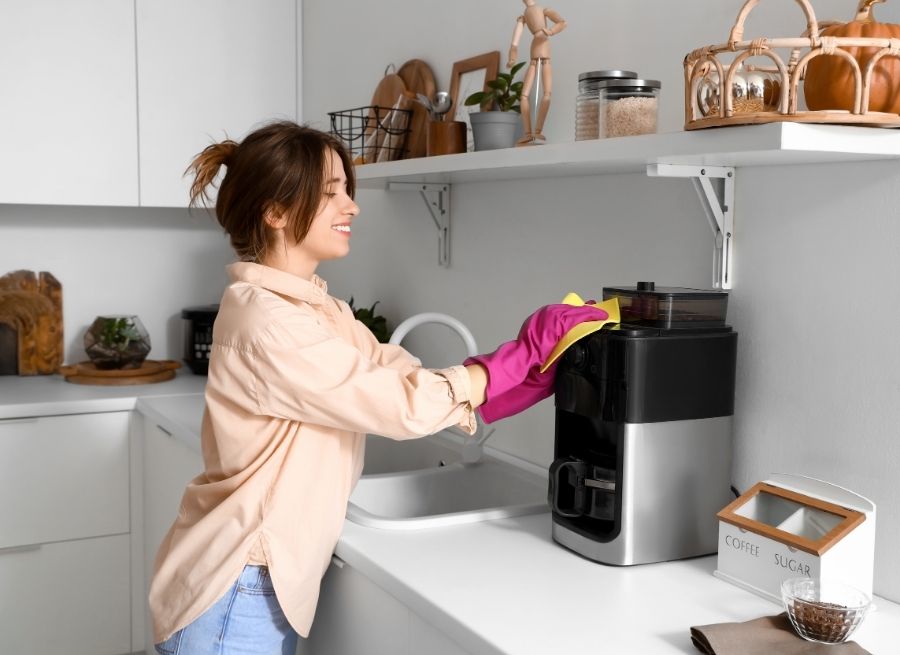
Why Clean Your Coffee Maker
Cleaning your coffee maker is important for many reasons. It keeps your coffee tasting fresh and pure. Over time, minerals and coffee oils build up inside the machine. These deposits can change the flavor of your coffee. A clean machine means better coffee every time.
Besides taste, cleaning helps your coffee maker last longer. Dirt and scale can damage the parts. Regular cleaning stops this damage. It saves you money by avoiding repairs or replacements.
Remove Mineral Build-up
Water used in coffee makers contains minerals. These minerals can leave deposits inside the machine. This build-up blocks water flow and affects brewing. Cleaning removes these deposits for smoother operation.
Prevent Mold And Bacteria
Warm and moist parts of the coffee maker are perfect for mold growth. Mold and bacteria can cause health problems. Cleaning kills these germs and keeps your coffee safe to drink.
Improve Coffee Flavor
Old coffee oils stay inside the machine if not cleaned. These oils turn stale and bitter. Removing them means your coffee tastes clean and fresh every time.
Extend Machine Life
Regular cleaning reduces wear and tear on your coffee maker. It prevents clogs and corrosion. A well-maintained machine works better and lasts longer.
Signs Your Coffee Maker Needs Cleaning
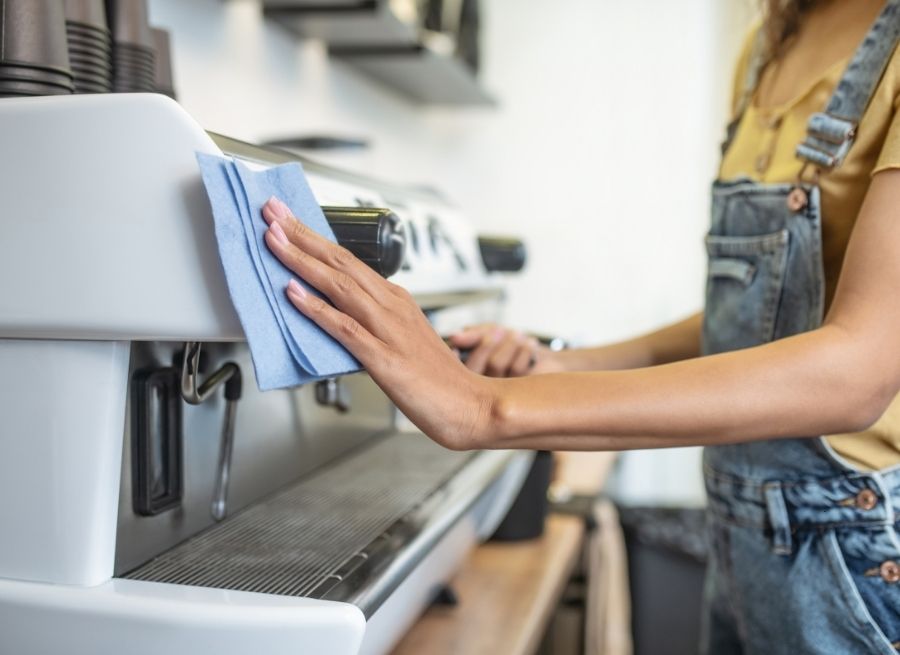
Your coffee maker works hard every day. Over time, coffee oils, minerals, and residue build up inside. This buildup affects the taste and quality of your coffee. It also reduces your machine’s performance.
Knowing when to clean your coffee maker helps keep your coffee fresh and delicious. Watch for these common signs that mean your machine needs a good cleaning.
Unusual Coffee Taste
Bitter or sour coffee may mean your machine is dirty. Old coffee oils and residue change the flavor. Cleaning removes these bad tastes and restores fresh coffee flavor.
Slow Brewing Time
If your coffee maker takes longer than usual, it needs cleaning. Mineral deposits can clog the water lines. This slows down the brewing process and affects coffee quality.
Visible Mold Or Mildew
Dark spots or mold inside the coffee maker show a health risk. Mold grows in moist, warm places. Clean your machine immediately to avoid bad smells and health issues.
Water Not Heating Properly
If the water is not hot enough, your coffee may taste weak. Mineral buildup on heating elements stops proper heating. Cleaning helps your machine heat water evenly again.
Strange Noises During Brewing
Unusual sounds like gurgling or grinding mean buildup inside. These noises often signal that your coffee maker parts need cleaning. Regular cleaning prevents damage and keeps your machine quiet.
Daily Cleaning Tips
Daily cleaning keeps your coffee maker fresh and your coffee tasting great. Small habits stop build-up and stains. Clean parts regularly to avoid old coffee flavors.
Remove Used Coffee Grounds
Empty the coffee filter and discard the used grounds every day. Wet grounds can cause mold and bad smells. Use a paper filter or rinse a reusable filter well.
Rinse The Carafe And Filter Basket
Rinse the carafe and filter basket with warm water after each use. This stops coffee oils from building up. Dry them with a clean cloth or let them air dry.
Wipe The Exterior
Use a damp cloth to wipe the coffee maker’s outside daily. Clean spills and dust to keep it neat. Avoid harsh cleaners that can damage surfaces.
Run A Water-only Brew Cycle
Run a brewing cycle with just water once a day. This flushes out leftover coffee bits inside. It helps maintain a fresh taste in every cup.
Deep Cleaning Methods
Deep cleaning your coffee maker removes hidden grime and buildup. It improves the taste and smell of your coffee. Regular deep cleaning keeps your machine working well and extends its life.
Using Vinegar Solution
Vinegar is a natural cleaner that breaks down mineral deposits. Mix equal parts of white vinegar and water. Pour the solution into the water reservoir. Run a brew cycle without coffee grounds. Turn off the machine halfway and let it sit for 30 minutes. Finish the cycle and then run two cycles with clean water. This removes vinegar taste and residue.
Using Baking Soda
Baking soda removes stubborn stains and odors. Make a paste with baking soda and a little water. Apply the paste to the coffee pot and other removable parts. Scrub gently with a soft brush or sponge. Rinse everything thoroughly with warm water. Baking soda cleans without harsh chemicals and is safe for daily use.
Commercial Coffee Maker Cleaners
Special cleaners are made to clean coffee machines deeply. Follow the instructions on the package carefully. These cleaners dissolve oils, scale, and dirt. They work faster than home remedies. Use them once a month for best results. Make sure to rinse your machine well after cleaning.
Cleaning Different Types Of Coffee Makers
Cleaning your coffee maker regularly keeps your coffee fresh and tasty. Different types of coffee makers need different cleaning methods. This guide helps you clean each type well. Proper cleaning removes old coffee oils and mineral build-up. It also stops bad smells and flavors. Follow these tips to enjoy better coffee every day.
Drip Coffee Makers
Remove the filter and used coffee grounds. Wash the basket and pot with warm, soapy water. Use a mix of equal parts water and white vinegar. Run a brew cycle with this mix to clean inside. Run two cycles of clean water to rinse well. Wipe the outside with a damp cloth. Clean drip coffee makers every one to two weeks.
Single-serve Machines
Take out the pod holder and drip tray. Wash these parts with warm, soapy water. Use a damp cloth to clean the machine’s exterior. Run a cleaning cycle with water and vinegar mix. Follow with two cycles of plain water. Clean single-serve machines weekly for best results.
French Press
Disassemble the plunger and filter screen. Wash all parts with warm, soapy water. Use a soft brush to remove coffee oils. Rinse all pieces thoroughly before reassembling. Clean your French press after each use. This keeps coffee fresh and avoids bitter taste.
Espresso Machines
Remove and clean the portafilter and basket. Use a brush to clean the group head. Run a cleaning cycle using a machine cleaner or vinegar. Backflush the machine according to the manual instructions. Wipe the steam wand after every use. Clean espresso machines weekly for the best coffee taste.
Maintaining Your Coffee Maker
Keeping your coffee maker clean is key to enjoying fresh, tasty coffee every day. Regular maintenance stops buildup and keeps your machine working well. Small steps can extend its life and improve flavor. Follow simple tips to care for your coffee maker.
Descaling Frequency
Descaling removes mineral deposits that affect taste and performance. Use a descaling solution or vinegar every one to three months. If you use hard water, descale more often. Run a full cycle with the solution, then rinse with fresh water. This keeps your coffee maker clean inside.
Proper Storage
Store your coffee maker in a dry, clean place. Avoid humid areas that cause mold or rust. Keep the machine covered or in its box if not used daily. Unplug the device and empty water tanks before storing. Proper storage protects your coffee maker from damage.
Replacing Filters
Change your coffee maker’s filters regularly for better taste. Paper filters should be replaced after each use. If your machine has a permanent filter, clean it weekly. Water filters need replacement every two months or as recommended. Fresh filters improve water quality and coffee flavor.
Tips For Better Tasting Coffee
Making better coffee starts with a few simple habits. These tips help improve flavor and aroma. Small changes can make a big difference in your daily cup. Focus on water, beans, and temperature for best results.
Using Fresh Water
Always use fresh, clean water for brewing coffee. Water quality affects the taste a lot. Avoid using water that has been sitting in the machine for hours. Use filtered or bottled water if tap water tastes bad. Fresh water helps extract coffee flavors better.
Choosing Quality Coffee Beans
Pick high-quality coffee beans for a richer taste. Fresh beans provide stronger flavor and aroma. Avoid beans that are old or stale. Buy beans in small amounts to keep them fresh. Store beans in a cool, dry place, away from light and air.
Correct Brewing Temperature
Water temperature should be just right for brewing. The ideal range is between 195°F and 205°F. Too hot water burns the coffee, causing bitterness. Too cold water leads to weak, sour coffee. Use a good coffee maker or thermometer to control temperature.
Frequently Asked Questions
How Often Should I Clean My Coffee Maker?
Clean your coffee maker every 1 to 3 months. Frequent cleaning removes buildup and ensures better tasting coffee. Regular maintenance prevents mold and bacteria growth inside the machine. Follow manufacturer instructions for best results.
What Household Items Can I Use To Clean It?
Use white vinegar, baking soda, and mild dish soap. Vinegar dissolves mineral deposits, while baking soda removes stains and odors. Avoid harsh chemicals to protect your coffee maker’s parts and maintain coffee flavor.
Can I Use Vinegar To Descale My Coffee Maker?
Yes, vinegar is an effective descaling agent. Mix equal parts vinegar and water, run a brew cycle, then rinse thoroughly. This removes mineral buildup and improves machine performance and coffee taste.
How Do I Clean The Coffee Maker’s Removable Parts?
Wash removable parts with warm, soapy water after each use. Rinse well and air dry completely before reassembling. Regular cleaning prevents residue buildup and keeps your coffee fresh.
Conclusion
Cleaning your coffee maker regularly keeps your coffee fresh and tasty. It removes old coffee oils and buildup that spoil flavor. Use simple steps with vinegar and water for best results. A clean machine works better and lasts longer. Make cleaning a habit after every few uses.
Enjoy richer coffee with every cup you brew. Simple care makes a big difference in taste. Keep your mornings bright and your coffee delicious.

Rachel Bennett is a passionate home cook, kitchen enthusiast, and the voice behind Home Kitchen Mate. With years of hands-on experience experimenting in the kitchen, she blends creativity and practicality to make cooking easier and more enjoyable for everyone.