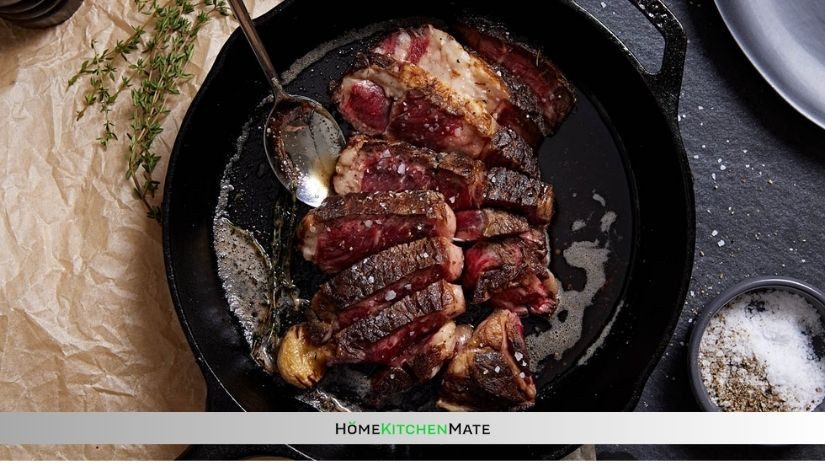
If you want to cook a steak that’s juicy, tender, and packed with flavor, using a cast iron skillet is one of the best ways to do it. You don’t need fancy tools or complicated recipes—just a few simple steps and the right technique.
Imagine biting into a perfectly seared steak with a crispy crust and a warm, pink center, all made right in your kitchen. In this guide, you’ll learn exactly how to cook steak in a cast iron skillet, so you can impress yourself and anyone you’re cooking for.
Ready to become your own steak master? Let’s get started!
Choosing The Right Steak
Choosing the right steak is key for great results with a cast iron skillet. The right cut affects flavor, texture, and cooking time. Not all steaks work well in this cooking method.
Understanding the best cuts and their qualities helps you pick a steak that cooks evenly and tastes delicious. Thickness and marbling play important roles in the final dish.
Best Cuts For Cast Iron
Certain cuts hold up better in a hot skillet. They develop a nice crust without drying out.
- Ribeye: Rich in fat and flavor, stays juicy.
- New York Strip: Tender with good marbling and texture.
- Filet Mignon: Very tender, cooks quickly, mild flavor.
- Sirloin: Leaner, affordable, still tasty when cooked right.
These cuts handle high heat well. They create a crispy outside and a tender inside.
Thickness And Quality Tips
Steak thickness affects cooking time and doneness. Thicker steaks are easier to cook evenly.
- Choose steaks at least 1 to 1.5 inches thick.
- Look for good marbling—small fat streaks inside muscle.
- Marbling adds flavor and keeps steak juicy.
- Fresh, bright red color shows quality and freshness.
- Avoid steaks with dark spots or dry edges.
Quality matters as much as cut and thickness. Good quality steak makes the skillet cooking more enjoyable.
Preparing The Skillet And Steak
Getting your skillet and steak ready is the foundation of a perfectly cooked steak. The right preparation sets the stage for that delicious crust and juicy interior you crave. Skipping these steps can leave you with uneven cooking or a steak that sticks to the pan.
Preheating The Cast Iron
Preheating your cast iron skillet is essential to achieving a great sear. Place your skillet on the stove over medium-high heat and let it warm up for about 5 minutes. You want the pan hot enough so that a drop of water sizzles and evaporates immediately.
But don’t rush it—too hot too fast might burn your steak’s surface before the inside cooks. A well-heated skillet creates the Maillard reaction, the chemical process that forms the flavorful crust you’re after.
Seasoning The Steak
Seasoning your steak properly before cooking makes a huge difference. At minimum, sprinkle both sides generously with coarse salt and freshly ground black pepper. These simple seasonings enhance the beef’s natural flavor and help create that mouthwatering crust.
Consider patting your steak dry with paper towels first. Removing excess moisture allows the steak to sear rather than steam. If you want to add extra flavor, try a light drizzle of olive oil or a rub of garlic powder and herbs, but keep it simple to let the steak shine.
Searing And Cooking Techniques
Searing and cooking steak in a cast iron skillet brings out rich flavors and a perfect texture. The key lies in controlling heat and timing. Proper searing locks in juices and creates a crispy crust. Cooking evenly ensures the steak stays tender inside. Follow these simple techniques to get the best results.
Achieving The Perfect Sear
Start with a hot cast iron skillet. Heat it over medium-high until it is very hot. Pat the steak dry with paper towels to remove moisture. Season both sides with salt and pepper. Add a small amount of oil with a high smoke point, like canola or vegetable oil.
Place the steak gently in the skillet. Avoid moving it to let a crust form. Sear for about 2-3 minutes on each side. Look for a deep brown color and a slightly crispy texture. Use tongs to flip the steak carefully. For extra flavor, add butter, garlic, and herbs during the last minute of searing.
Cooking Times And Resting
After searing, lower the heat to medium or move the skillet off direct heat for gentle cooking. Cooking times depend on steak thickness and desired doneness.
| Doneness | Cooking Time (after sear) | Internal Temperature |
|---|---|---|
| Rare | 1-2 minutes per side | 120°F (49°C) |
| Medium Rare | 3-4 minutes per side | 130°F (54°C) |
| Medium | 4-5 minutes per side | 140°F (60°C) |
| Well Done | 6-7 minutes per side | 160°F (71°C) |
Use a meat thermometer for accuracy. Rest the steak for 5-10 minutes after cooking. This lets juices redistribute for a juicy bite. Cover loosely with foil during resting to keep warm.
Frequently Asked Questions
How Long Should I Cook Steak In A Cast Iron Skillet?
Cook steak 3-5 minutes per side for medium-rare, depending on thickness and heat.
What Is The Best Oil For Cooking Steak In Cast Iron?
Use oils with high smoke points like canola, vegetable, or avocado oil.
How Do I Know When My Steak Is Perfectly Cooked?
Check steak’s internal temperature: 130°F for medium-rare, 140°F for medium.
Should I Let Steak Rest After Cooking In Cast Iron?
Yes, rest steak 5-10 minutes to keep juices inside and improve flavor.
Can I Cook Frozen Steak In A Cast Iron Skillet?
It’s best to thaw steak first for even cooking and better texture.
How Do I Clean My Cast Iron Skillet After Cooking Steak?
Wipe with a paper towel, rinse with hot water, and dry immediately.
Conclusion
Cooking steak in a cast iron skillet is simple and rewarding. Heat the skillet well before adding the steak. Use a little oil and season your meat. Cook each side until it reaches your preferred doneness. Let the steak rest before cutting to keep it juicy.
This method gives a nice crust and tender inside. Perfect for a quick, tasty meal at home. Try it often and enjoy delicious steak every time.

Rachel Bennett is a passionate home cook, kitchen enthusiast, and the voice behind Home Kitchen Mate. With years of hands-on experience experimenting in the kitchen, she blends creativity and practicality to make cooking easier and more enjoyable for everyone.