
Your kitchen appliances work hard every day to make your life easier. But have you ever thought about how you can keep them running smoothly for years?
Taking care of your appliances isn’t just about cleaning—they need simple maintenance to avoid costly repairs or early replacements. Imagine saving money while enjoying your favorite gadgets without interruption. You’ll discover easy tips and tricks to maintain your kitchen appliances, helping you get the most out of your investment.
Keep reading—you’ll be surprised how small changes can make a big difference!
Daily Cleaning Tips
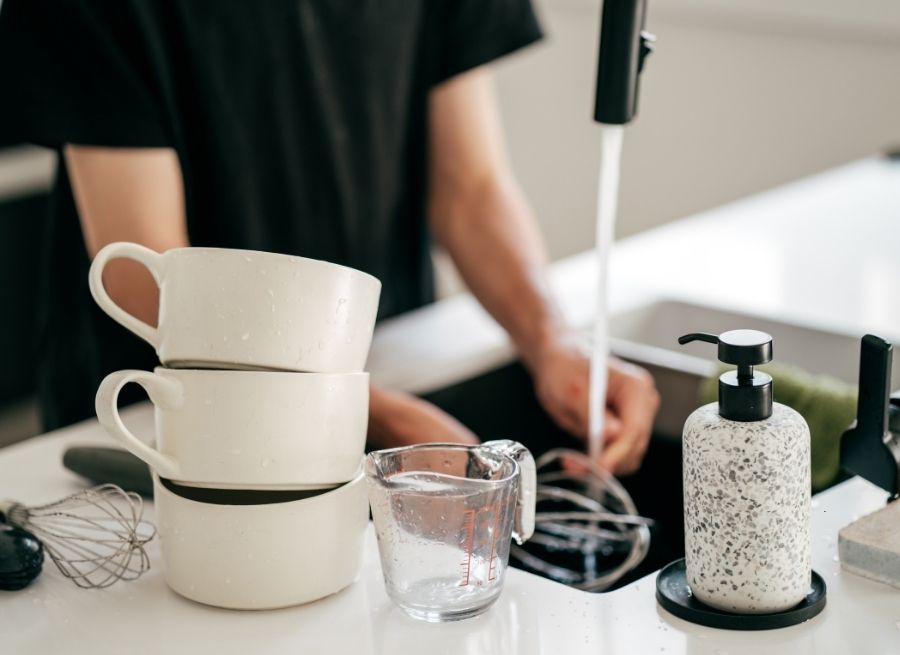
Daily cleaning helps kitchen appliances last longer and work better. Dirt and food bits build up fast. Cleaning every day keeps your appliances fresh and safe to use. It also stops smells and stains from forming.
Simple steps can make a big difference. Spend a few minutes each day wiping and drying. This care saves money and time on repairs or replacements.
Wiping Surfaces
Use a soft cloth or sponge to wipe appliance surfaces. Avoid rough materials that can scratch. A damp cloth with mild soap works best. Clean spots and spills right away. This stops dirt from sticking.
Removing Food Residue
Check for food crumbs or stuck bits on buttons and handles. Use a small brush or toothpick to remove them. Don’t let food dry on the appliance. It can cause damage and bad smells.
Drying Appliances
After cleaning, dry the appliance with a clean towel. Water left on surfaces can cause rust or stains. Make sure no moisture stays in crevices. Dry appliances work better and last longer.
Regular Maintenance Routines
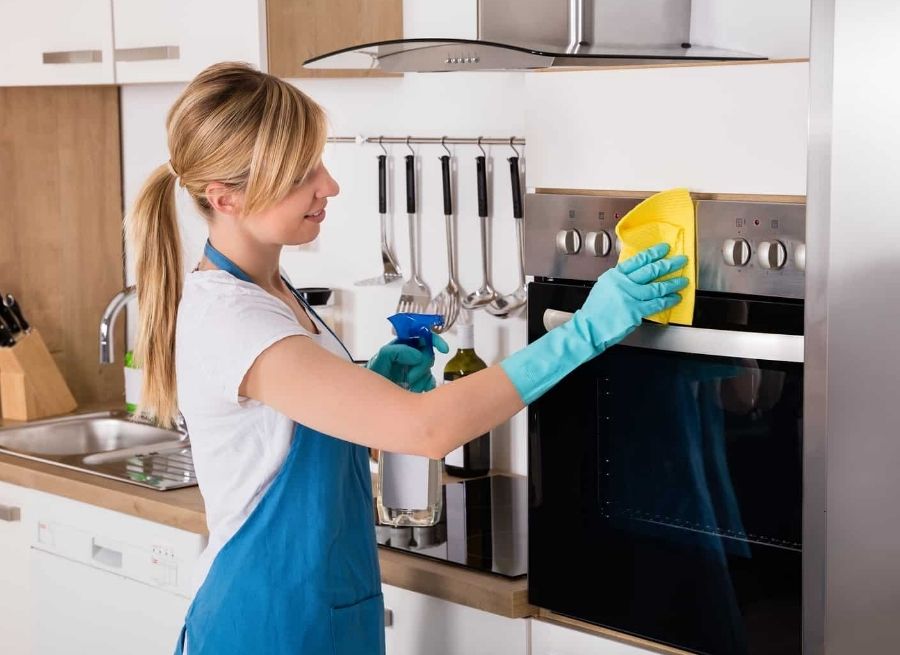
Regular maintenance routines keep kitchen appliances working well for years. Small checks and cleaning stop big problems before they start. This saves money and stress. Follow these simple steps to care for your appliances every few weeks or months.
Checking Cords And Plugs
Look at cords and plugs for signs of wear or damage. Frayed wires or loose plugs can cause shocks or fires. Unplug appliances before cleaning. Replace cords that have cuts or exposed wires. Make sure plugs fit tightly in sockets to avoid sparks.
Inspecting Seals And Gaskets
Check seals and gaskets on refrigerators, ovens, and dishwashers. Cracks or tears let air or water escape. This lowers efficiency and wastes energy. Clean seals with a damp cloth to remove dirt. Replace damaged gaskets to keep appliances running well.
Cleaning Filters
Many appliances have filters that catch dust, grease, or food particles. Clean or replace filters in microwaves, range hoods, and refrigerators. Dirty filters block airflow and cause overheating. Follow the manufacturer’s instructions for cleaning. Clean filters help appliances last longer and work better.
Proper Usage Practices
Proper usage is key to keeping kitchen appliances working well for years. Simple habits can stop damage and help your devices last longer. Understanding how to use your appliances right saves money and avoids repair hassles.
Avoiding Overloading
Do not put too much food or weight in your appliances. Overloading makes motors and parts work too hard. This can cause overheating or breakage. Follow the appliance’s limit instructions. Use smaller portions if needed. This keeps the machine safe and efficient.
Using Correct Settings
Choose the right settings for each task. Different foods and jobs need different heat and speed levels. Using too high or low settings can harm the appliance or ruin food. Read the manual to learn correct options. Proper settings protect the motor and save energy.
Allowing Cooling Time
Let your appliance cool down after heavy use. Running it continuously without breaks causes parts to wear out faster. Turn it off and wait a few minutes before using again. Cooling time helps avoid overheating and extends the appliance’s life.
Deep Cleaning Methods
Deep cleaning is a key step in keeping kitchen appliances working longer. Dirt and buildup can block parts and reduce efficiency. Regular deep cleaning stops damage and keeps appliances safe to use. Spend time cleaning parts that normal wiping misses. This protects your investment and saves money on repairs.
Descaling Coffee Makers
Mineral deposits build up inside coffee makers over time. These deposits affect taste and slow brewing. Use a mixture of equal parts water and white vinegar. Run the solution through a full brewing cycle. Then run plain water cycles to rinse out vinegar. Clean removable parts with soap and water. Do this every 1-3 months for fresh coffee and better machine health.
Cleaning Oven Interiors
Ovens collect grease, burnt food, and spills inside. These residues cause smoke and bad smells. Remove racks and soak them in warm, soapy water. Use baking soda paste to scrub the oven walls. Let it sit for 15 minutes before wiping. Avoid harsh chemicals that can leave fumes. Clean the oven door glass with vinegar and water. Clean ovens work better and last longer.
Defrosting Refrigerators
Frost buildup reduces refrigerator efficiency. Turn off and unplug the fridge. Remove all food and place in a cooler. Leave the door open to speed thawing. Use towels to soak up melting ice. Clean shelves and walls with warm, soapy water. Dry thoroughly before plugging back in. Defrost regularly to save energy and extend appliance life.
Troubleshooting Common Issues
Troubleshooting common problems helps keep kitchen appliances working well. Early fixes stop small issues from growing into big repairs. Simple checks can save time and money. Knowing quick solutions makes appliance care easier and less stressful.
Fixing Strange Noises
Strange noises often mean something is loose or worn out. Check if screws and parts are tight. Clean filters and vents to avoid noise from blockage. Grinding or rattling sounds may need a part replacement. Turn off the appliance before inspection to stay safe.
Addressing Power Problems
Power issues may cause the appliance not to start or stop suddenly. Make sure the plug is fully inserted into the outlet. Inspect the power cord for cuts or damage. Reset circuit breakers if the appliance stops working. If problems persist, consult a professional technician.
Dealing With Odors
Bad smells come from food spills or mold buildup. Clean the inside with mild soap and water regularly. Remove and wash removable parts like trays and filters. Use baking soda to absorb odors in refrigerators. Keep the appliance dry to prevent mold growth.
When To Call A Professional
Knowing when to call a professional is key to keeping kitchen appliances safe and working well. Some problems need expert help to avoid bigger damage or danger. Understanding the signs and knowing the right time to get a professional can save money and stress.
Signs Of Electrical Faults
Watch for sparks, burning smells, or flickering lights near appliances. These signs show electrical issues that need quick expert checks. If an appliance trips the circuit breaker often, it may have a wiring fault. Strange noises or sudden shutdowns can also mean electrical problems. Avoid using appliances with these signs until a professional inspects them.
Handling Major Repairs
Major repairs involve parts inside the appliance that are hard to reach. Fixing motors, compressors, or heating elements requires special tools and knowledge. Trying to repair these yourself risks injury or further damage. Always call a professional for major repairs to ensure safety and proper fixing. Professionals can also provide warranties on their work for peace of mind.
Scheduling Regular Inspections
Regular inspections help find small problems before they grow. Professionals check wiring, seals, and moving parts during these visits. Schedule inspections once or twice a year for appliances used daily. This helps keep your kitchen running smoothly and appliances lasting longer. Preventive care by experts reduces emergency repairs and unexpected breakdowns.
Storage And Handling Tips
Proper storage and handling of kitchen appliances keep them working longer. This section shares key tips to protect your devices from damage. Careful storage helps avoid scratches and dents. Correct handling prevents internal parts from breaking. Follow these ideas to extend your appliance’s life.
Safe Appliance Storage
Store appliances in a dry, cool place away from sunlight. Use original boxes or thick blankets for padding. Avoid stacking heavy items on top of appliances. Keep cords untangled and away from sharp edges. Store small parts and manuals together for easy access. Proper storage stops dust build-up and mechanical damage.
Transporting Appliances
Carry appliances with both hands to keep balance. Use sturdy boxes with bubble wrap for extra protection. Avoid tilting or shaking appliances during transport. Remove detachable parts and pack separately to prevent loss. Label boxes clearly to reduce rough handling. Safe transport lowers the risk of internal damage.
Protecting From Moisture
Keep appliances away from sinks and damp areas. Wipe surfaces dry immediately after cleaning. Use moisture-absorbing packets inside storage boxes. Check stored appliances regularly for signs of rust or mold. Moisture can cause electrical faults and rust damage. Dry conditions ensure appliances last longer and work well.
Frequently Asked Questions
How Often Should I Clean My Kitchen Appliances?
Regular cleaning depends on the appliance type. Generally, clean your appliances weekly to prevent buildup and maintain efficiency. Follow manufacturer guidelines for specific cleaning intervals to ensure longevity and optimal performance.
What Are The Best Practices For Appliance Maintenance?
Always unplug appliances before cleaning. Use gentle cleaning agents and soft cloths. Regularly check for wear and tear. Promptly repair any damage to avoid further issues and extend appliance life.
Can I Use Homemade Cleaners On Kitchen Appliances?
Yes, homemade cleaners like vinegar and baking soda are effective and safe. Avoid abrasive materials that can scratch surfaces. Always test a small area first to prevent damage.
How Do I Prevent Kitchen Appliances From Overheating?
Avoid overloading appliances and ensure proper ventilation. Clean vents and filters regularly. Follow usage instructions to prevent overheating and improve appliance safety.
Conclusion
Taking care of kitchen appliances saves money and time. Clean them regularly to keep parts working well. Fix small problems before they get worse. Use appliances as the manual suggests. Store them properly when not in use. Simple habits help appliances last much longer.
A well-kept kitchen makes cooking easier and more fun. Small efforts today lead to big benefits tomorrow. Keep your kitchen running smoothly with these easy steps.

Rachel Bennett is a passionate home cook, kitchen enthusiast, and the voice behind Home Kitchen Mate. With years of hands-on experience experimenting in the kitchen, she blends creativity and practicality to make cooking easier and more enjoyable for everyone.