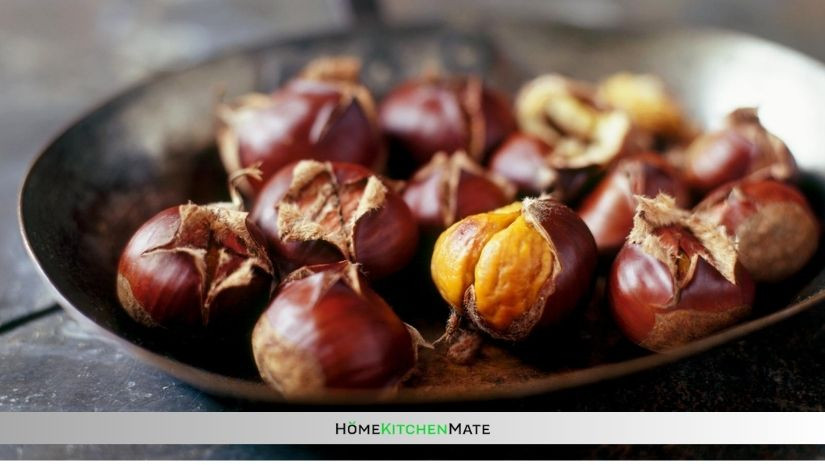
There’s something truly magical about the smell of freshly roasted chestnuts. If you’ve ever wanted to enjoy this warm, nutty treat right at home, you’re in the right place.
Roasting chestnuts in the oven is easier than you might think, and once you know the simple steps, you’ll be able to savor this delicious snack anytime you want. Keep reading, and you’ll discover how to get perfectly roasted chestnuts with a crispy shell and tender inside—ready to enjoy in just a few minutes.
Your taste buds will thank you!
Preparing Chestnuts For Roasting
Preparing chestnuts for roasting ensures a tasty and easy-to-peel result. Proper preparation helps the chestnuts cook evenly and prevents them from bursting in the oven. Follow these simple steps for the best roasted chestnuts.
Selecting Fresh Chestnuts
Choose chestnuts that feel heavy and firm. Avoid those with soft spots or holes. Fresh chestnuts have a shiny, smooth shell. They should not rattle when shaken. Pick chestnuts that look clean and free from mold.
Scoring Chestnuts Correctly
Scoring chestnuts means making a small cut on the shell. Use a sharp knife or chestnut cutter. Cut an “X” on the flat side of each chestnut. This allows steam to escape during roasting. Scoring prevents the shells from bursting open.
Soaking Chestnuts Before Roasting
Soak chestnuts in cold water for about 30 minutes. This softens the shells and helps with peeling. After soaking, drain and pat them dry. Soaked chestnuts roast more evenly and taste better.
Oven Roasting Process
Roasting chestnuts in the oven brings out their sweet, nutty flavor. The oven roasting process is simple and quick. This method ensures even cooking and a tender inside with a slightly crispy shell. Follow the steps below to achieve perfectly roasted chestnuts every time.
Setting The Right Temperature
Preheat the oven to 425°F (220°C). This temperature is ideal for roasting chestnuts evenly. Too low, and they may dry out. Too high, and they can burn on the outside while staying raw inside.
Arranging Chestnuts On The Baking Tray
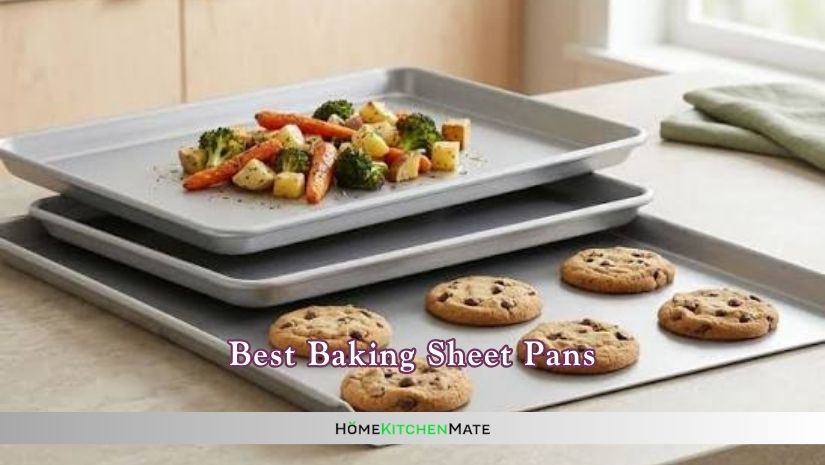
Score each chestnut with a sharp knife by cutting an X on the flat side. This prevents bursting during roasting. Place the chestnuts in a single layer on a baking tray. Keep the cut side facing up for the best results.
Roasting Time And Tips
Roast chestnuts for 20 to 30 minutes. Shake the tray or stir the chestnuts every 10 minutes. This helps them cook evenly and prevents burning. Check for doneness by peeling one chestnut; it should be soft and easy to peel. Let chestnuts cool slightly before peeling and enjoying.
Serving And Storing Roasted Chestnuts
Serving and storing roasted chestnuts properly can make all the difference in enjoying their full flavor and texture. Once you’ve roasted your chestnuts, handling them with care ensures you savor every bite without frustration. Plus, knowing how to keep leftovers fresh means you can enjoy their warmth long after your oven session.
Peeling Techniques For Hot Chestnuts
Peeling chestnuts while they’re still hot is easier and less messy. Hold a chestnut with a kitchen towel to protect your fingers from the heat, then gently squeeze to loosen the shell.
Use a small knife to peel away the shell and the thin brown skin beneath it. If you wait too long, the skin sticks tighter, making peeling frustrating.
Try peeling a few chestnuts immediately after roasting to get a feel for it. You’ll find that the warmth softens the shells and skins, speeding up the process.
Flavor Enhancements And Seasonings
Roasted chestnuts have a natural, mild sweetness that pairs well with simple seasonings. Sprinkle a little sea salt or cinnamon right after peeling to boost the flavor.
For a savory twist, toss peeled chestnuts with melted butter, garlic powder, and fresh herbs like rosemary or thyme. These add a delightful aroma and depth.
Have you ever tried chestnuts with a drizzle of honey or a pinch of chili flakes? These unexpected combos can turn a classic snack into a memorable treat.
Storing Leftover Chestnuts
If you have leftover roasted chestnuts, store them in an airtight container to keep moisture out. Refrigerate them and consume within 3 to 4 days to maintain freshness.
For longer storage, freeze peeled chestnuts in a sealed bag. When ready to eat, thaw them in the fridge and warm gently in the oven.
Do you find chestnuts lose their charm when reheated? Try reheating them wrapped in foil to retain moisture and softness.
Frequently Asked Questions
How Long Should I Roast Chestnuts In The Oven?
Roast chestnuts for 20-25 minutes at 425°F (220°C) until the shells peel easily.
Do I Need To Score Chestnuts Before Roasting?
Yes, cut an X on each chestnut’s flat side to prevent bursting and help peeling.
What Temperature Is Best To Roast Chestnuts In The Oven?
Set the oven to 425°F (220°C) for even roasting and soft, tasty chestnuts.
How Can I Tell When Chestnuts Are Fully Roasted?
Chestnuts are done when shells curl and the inside is soft and fragrant.
Should I Soak Chestnuts Before Roasting?
Soaking is optional but helps make peeling easier and chestnuts more tender after roasting.
Can I Roast Chestnuts Without An Oven Pan?
Use a baking sheet or tray to keep chestnuts stable and roast evenly in the oven.
Conclusion
Roasting chestnuts in the oven is easy and fun. Just score the shells, spread them on a tray, and roast until tender. The smell fills your kitchen with warmth and comfort. Freshly roasted chestnuts taste sweet and nutty, perfect for winter snacks.
Try this simple method to enjoy chestnuts at home. Enjoy the cozy feeling and tasty treat. Roasting chestnuts brings a little joy to cold days. Give it a try and savor the delicious results.

Rachel Bennett is a passionate home cook, kitchen enthusiast, and the voice behind Home Kitchen Mate. With years of hands-on experience experimenting in the kitchen, she blends creativity and practicality to make cooking easier and more enjoyable for everyone.