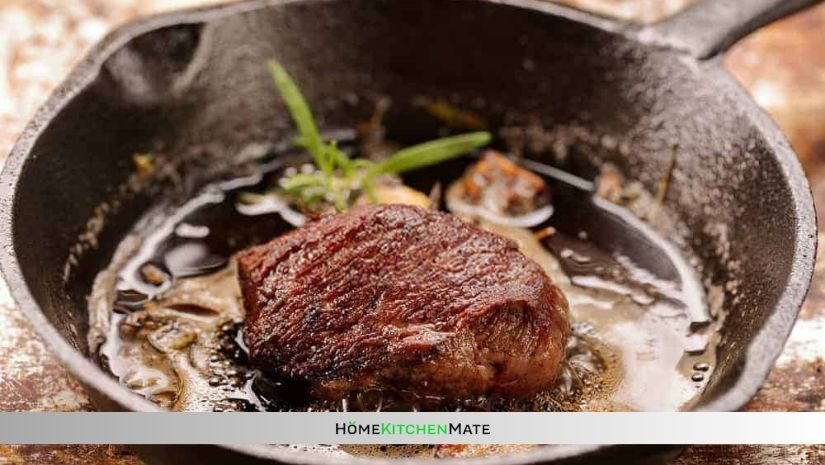
If you love cooking with cast iron but don’t have an oven handy, you might wonder how to keep your skillet in perfect shape. Seasoning cast iron is key to preventing rust and creating that natural non-stick surface you crave.
But what if you can’t use an oven? Don’t worry—you can still season your cast iron right on your stovetop or with simple tools you already have. You’ll discover easy, effective methods to season your cast iron without an oven.
Keep reading, and your skillet will thank you with every delicious meal you make.
Seasoning Cast Iron On Stovetop
Seasoning cast iron on the stovetop is a practical way to keep your pan non-stick and rust-free. This method works well when you don’t have access to an oven or prefer a quicker process. It uses direct heat to bond oil to the pan’s surface, creating a durable coating. Stovetop seasoning requires attention but is simple and effective for maintaining cast iron cookware.
Preparing The Pan
Start by cleaning your cast iron pan thoroughly. Use warm water and a mild brush or sponge to remove any dirt or rust. Avoid using soap as it can strip the existing seasoning. Dry the pan completely with a clean towel or heat it on low for a few minutes to evaporate any moisture.
Choosing The Right Oil
Select an oil with a high smoke point for best results. Good options include flaxseed oil, grapeseed oil, or vegetable oil. These oils create a strong, durable layer on the pan. Avoid using butter or olive oil because they burn easily and do not form a good seasoning layer.
Layering And Heating Process
- Apply a thin layer of oil all over the pan, inside and out.
- Use a cloth or paper towel to spread the oil evenly.
- Place the pan on the stovetop burner over medium heat.
- Heat the pan until it starts to smoke lightly. This means the oil is bonding to the surface.
- Turn off the heat and let the pan cool completely.
- Repeat this process 2 to 3 times for a stronger seasoning layer.
Using A Grill Or Campfire
Seasoning cast iron without an oven is easy using a grill or campfire. This method works well outdoors and adds a smoky flavor to your cookware. The key is to control the heat and apply oil correctly. Follow simple steps to get a smooth, non-stick surface.
Setting Up The Heat Source
Start by preparing your grill or campfire for steady heat. Use charcoal or wood that burns evenly. Arrange the coals or logs so the heat is medium, not too hot. Avoid open flames directly under the pan to prevent uneven heating. Let the fire burn down until you have glowing embers.
Applying Oil And Heating
Clean the cast iron and dry it well. Apply a thin layer of cooking oil all over the pan, inside and out. Use oils like flaxseed, vegetable, or canola oil. Place the pan on the grill or campfire grate. Heat it slowly and keep it over the embers for about an hour. The oil will bond with the iron, creating a smooth coating.
Tips For Even Seasoning
- Turn the pan occasionally for uniform heat.
- Keep the oil layer thin to avoid sticky spots.
- Use tongs or heat-resistant gloves for safety.
- Let the pan cool naturally away from water.
- Repeat the oiling and heating steps for stronger seasoning.
Alternative Methods For Quick Seasoning
Seasoning cast iron without an oven is possible using quick and effective methods. These alternatives help create a protective layer on the pan, improving its performance and durability. Each method offers a simple way to season your cookware, even without traditional tools.
Microwave Technique
Apply a thin layer of oil to the cast iron surface. Place the pan in the microwave. Heat it on high for one to two minutes. Let the pan cool completely before using or storing. This method helps the oil bond with the metal quickly. Avoid overheating to prevent damage.
Using A Hot Plate
Coat the pan with a small amount of cooking oil. Set the hot plate to medium heat. Place the pan on the hot plate for 10 to 15 minutes. Rotate the pan occasionally for even seasoning. Turn off the heat and let the pan cool down slowly. This method replicates oven seasoning in a shorter time.
Maintaining Seasoning After Use
Clean the pan with warm water and a soft brush. Avoid soap or harsh detergents to protect the seasoning. Dry the pan thoroughly after washing. Apply a light coat of oil to the surface while it is still warm. Store in a dry place to prevent rust. Regular maintenance keeps the seasoning strong and the pan ready for cooking.
Frequently Asked Questions
How Can I Season Cast Iron Without Using An Oven?
You can season cast iron on a stove by applying oil and heating it slowly over low heat.
What Oils Work Best For Stove-top Cast Iron Seasoning?
Use oils with high smoke points like flaxseed, vegetable, or canola oil for best results.
How Long Should I Heat Cast Iron On The Stove For Seasoning?
Heat the pan on low for about 10 to 15 minutes until it stops smoking.
Can I Reuse Cast Iron Seasoning Done Without An Oven?
Yes, regular use and occasional re-seasoning keep the pan non-stick and rust-free.
Is Stove-top Seasoning As Effective As Oven Seasoning?
Stove-top seasoning works well but may need more frequent touch-ups compared to oven seasoning.
How Do I Know My Cast Iron Is Properly Seasoned?
A shiny, smooth, black surface means good seasoning and better cooking performance.
Conclusion
Seasoning cast iron without an oven is simple and effective. You can use the stovetop or grill to create a strong coating. Regular care keeps your pan non-stick and rust-free. This method saves time and works well at home. Give it a try and enjoy cooking with your cast iron pan.
A well-seasoned pan makes every meal better. Keep practicing, and your pan will last for years.

Rachel Bennett is a passionate home cook, kitchen enthusiast, and the voice behind Home Kitchen Mate. With years of hands-on experience experimenting in the kitchen, she blends creativity and practicality to make cooking easier and more enjoyable for everyone.