When it comes to kitchen appliances, you might wonder: should you stick with manual tools or switch to electric ones? Choosing between manual and electric appliances isn’t just about convenience—it affects your cooking speed, effort, and even your budget.
You want to make the best decision for your kitchen and lifestyle, but with so many options, it’s easy to feel overwhelmed. This article will help you understand the key differences and benefits of each, so you can pick the perfect fit for your needs.
Keep reading to discover which type of appliance will truly make your cooking easier and more enjoyable.

Manual Kitchen Appliances
Manual kitchen appliances have been a staple in kitchens for many years. These tools do not need electricity or batteries to work. They rely on human power and simple mechanics. Many cooks appreciate their simplicity and reliability. Manual appliances often last longer and are easy to fix. They bring a hands-on experience to cooking that some find satisfying.
Types Of Manual Appliances
Manual kitchen appliances include hand mixers, graters, peelers, and can openers. Manual juicers and garlic presses are also common. Tools like mortar and pestle help with grinding spices. Hand-cranked coffee grinders are popular among coffee lovers. These appliances come in many shapes and sizes.
Advantages Of Manual Appliances
Manual appliances save electricity and reduce utility bills. They work anywhere, even during power outages. These tools are usually cheaper than electric ones. They are easy to clean and store. Many manual appliances are quiet, causing less noise. They give more control over the cooking process.
Limitations Of Manual Appliances
Manual appliances need more effort and time to use. They may tire your hands during long tasks. Some tasks require more skill with manual tools. They might not be as fast or efficient as electric versions. Not all manual appliances handle large quantities well. They offer fewer features compared to electric models.
Best Uses For Manual Appliances
Manual appliances work best for small tasks or quick jobs. They are great for kitchens with limited space. These tools suit people who prefer simple cooking methods. They are ideal for outdoor cooking or camping trips. Manual appliances fit well in homes trying to save energy. They also help users enjoy a traditional cooking style.
Electric Kitchen Appliances
Electric kitchen appliances have changed how people cook and prepare food. They use power to make tasks faster and easier. Many homes use these appliances daily for cooking, baking, and cleaning. They save time and reduce effort in the kitchen. Understanding their pros and cons helps decide if they fit your needs.
Common Electric Appliances
Electric appliances include blenders, microwaves, toasters, and coffee makers. Many kitchens have electric ovens and mixers. Refrigerators keep food fresh using electricity. Dishwashers clean dishes without manual scrubbing. These tools cover most cooking and cleaning needs.
Benefits Of Electric Appliances
Electric appliances save time by speeding up cooking. They require less physical effort than manual tools. Many offer precise temperature control for better results. Using these devices can improve consistency in food preparation. They often have safety features to prevent accidents. Cleaning is easier with removable parts in some models.
Drawbacks Of Electric Appliances
Electric appliances need a power source to work. Power outages can stop their use immediately. They may use more energy than manual tools. Some appliances take up space on countertops. Maintenance and repairs can be costly. Not all models are easy to clean or use.
When To Choose Electric
Choose electric appliances for frequent cooking and busy lifestyles. They help complete tasks quickly and with less effort. Select them if you want precise cooking results. Electric devices suit those who prefer modern kitchen tools. They are ideal for people with limited physical strength. Consider electric options for convenience and speed.
Comparing Performance
Comparing the performance of manual and electric kitchen appliances helps choose the right tool. Each type offers unique benefits and challenges. Understanding these can improve your cooking experience and save time.
Performance depends on factors like speed, durability, cost, and energy use. Let’s explore these aspects carefully.
Efficiency And Speed
Electric appliances usually work faster than manual ones. They can handle large tasks with less effort. Manual tools need more physical work and take more time. Electric devices reduce cooking and preparation times significantly.
Manual appliances allow better control but may slow down the process. They suit small jobs or when power is not available. Electric tools boost productivity in busy kitchens.
Durability And Maintenance
Manual appliances tend to last longer due to simple designs. Fewer parts mean less chance of breaking. They require less maintenance and are easy to clean. Electric appliances have many parts that can wear out or break.
Electric tools need regular care and occasional repairs. Their motors and electrical parts need attention. Manual tools can survive rough use better than electric ones.
Cost And Energy Consumption
Manual appliances cost less upfront and use no electricity. They save money on energy bills. Electric appliances have higher initial prices and use power. Their running costs add up over time.
Using manual tools reduces energy use and lowers expenses. Electric appliances increase convenience but raise monthly costs. Consider your budget and energy goals before choosing.
Safety And Convenience
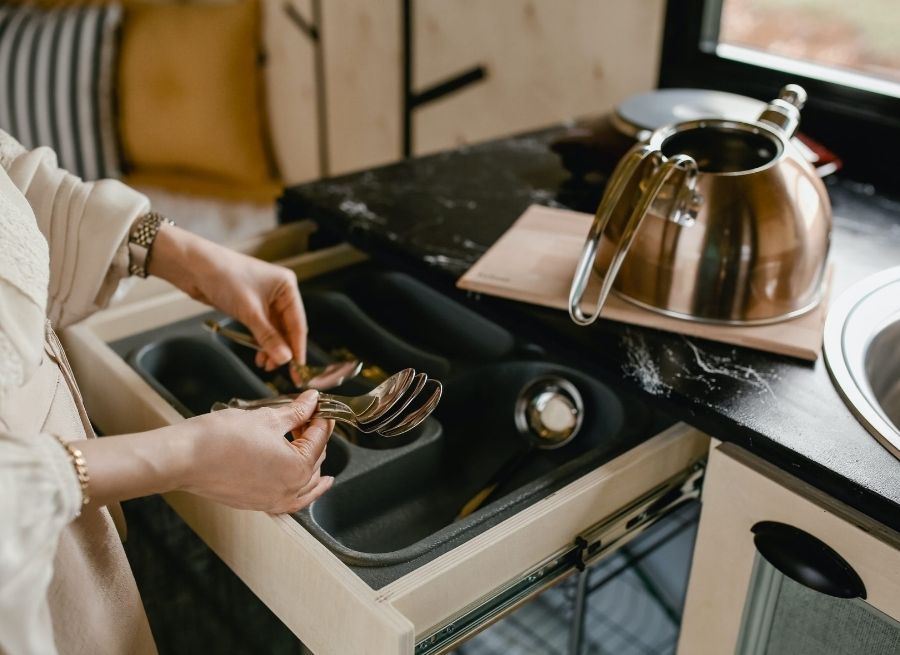
Safety and convenience are key factors when choosing kitchen appliances. These qualities affect your cooking experience and kitchen routine. Both manual and electric appliances have different strengths in these areas. Understanding these differences helps you pick what fits your needs best.
User Safety Considerations
Manual appliances usually have fewer risks. They do not need electricity, so no chance of electric shock. There are no fast-moving parts, which lowers injury risk. But sharp blades or heavy parts can still cause cuts or accidents.
Electric appliances have safety features like automatic shut-off. They often include safety locks to prevent accidents. Still, electric risks exist if devices are damaged or wet. Careful use and regular checks are important.
Ease Of Use
Manual tools are simple to operate. They require physical effort, which can be tiring for some users. They work without power, making them handy during outages or outdoor cooking.
Electric appliances save time and effort. They perform tasks quickly and with little input. This convenience suits busy kitchens and users with limited strength.
Cleaning And Storage
Manual appliances often have fewer parts and no cords. This makes cleaning straightforward and fast. They are usually smaller and easier to store in tight spaces.
Electric appliances may have more parts to clean. Some parts can be dishwasher-safe, but cords and motors need careful wiping. They tend to take up more counter or cabinet space.
Environmental Impact
Choosing between manual and electric kitchen appliances affects the environment in many ways. Each type uses resources differently and creates a unique impact on nature. Understanding these effects helps make better choices for a greener kitchen.
Energy Usage
Electric appliances need electricity to work. This energy often comes from power plants. Some plants use fossil fuels, which add pollution to the air. Manual appliances do not use electricity. They rely on human power, which is clean and free. Using manual tools lowers energy demand and reduces carbon footprints.
Material Sustainability
Manual appliances are often made with fewer parts and simpler materials. This can mean less mining and processing of metals. Electric appliances usually have many components, including plastics and metals. These materials take more energy and resources to produce. Choosing tools made from recycled or natural materials helps protect the environment.
Waste And Disposal
Electric appliances can be harder to recycle because of their complex parts. They often end up in landfills, adding to waste problems. Manual appliances last longer and are easier to fix. They create less waste over time. Proper disposal and recycling of all appliances reduce their environmental harm.
Choosing The Right Appliance
Choosing between manual and electric kitchen tools depends on your needs and kitchen space. Manual appliances are simple and quiet, while electric ones save time and effort. Think about how often you cook and what fits your lifestyle best.
Personal Cooking Habits
Choosing the right kitchen appliance depends on how you cook daily. Manual tools suit those who enjoy hands-on cooking. They offer control and a simple feel. Electric appliances save time and reduce effort. They fit busy lifestyles and quick meal prep. Think about the meals you make most often. Do you need speed or precision? This helps decide between manual and electric options.
Budget Considerations
Budget plays a big role in choosing appliances. Manual tools usually cost less upfront. They have fewer parts that can break. Electric appliances often cost more but offer more functions. Consider the long-term costs, like electricity and repairs. Spend money where it adds real value to your kitchen. Balance price with how much use you expect.
Kitchen Space And Setup
Space affects which appliance fits best in your kitchen. Manual appliances are often compact and easy to store. They work well in small kitchens or limited counter areas. Electric appliances need outlets and more room. Large or busy kitchens can handle bigger devices. Measure your kitchen space before buying. This avoids clutter and keeps cooking comfortable.
Frequently Asked Questions
What Are The Main Differences Between Manual And Electric Appliances?
Manual appliances require physical effort, while electric ones use power to operate. Electric appliances save time and energy. Manual tools offer more control and are often cheaper. Choice depends on your needs, budget, and kitchen space.
Are Electric Kitchen Appliances More Energy Efficient?
Electric appliances consume electricity but often finish tasks faster. Manual tools use no electricity but may take longer. Energy efficiency depends on usage frequency, appliance type, and power rating. Consider long-term energy costs when choosing.
Which Kitchen Appliances Are Better For Small Kitchens?
Manual appliances are compact and need no power, ideal for small spaces. Electric appliances can be bulkier but save time. Choose based on space, convenience, and cooking habits.
Do Electric Appliances Require More Maintenance Than Manual Ones?
Electric appliances need regular cleaning and occasional repairs. Manual appliances have fewer parts and are easier to maintain. Maintenance cost and effort vary with appliance complexity and usage.
Conclusion
Choosing between manual and electric kitchen appliances depends on your needs. Manual tools offer control and save electricity. Electric appliances save time and reduce effort. Think about your kitchen space and how often you cook. Consider your budget and ease of cleaning.
Both types have strengths and limits. The best choice fits your lifestyle and preferences. Make a decision that feels right for you.

Rachel Bennett is a passionate home cook, kitchen enthusiast, and the voice behind Home Kitchen Mate. With years of hands-on experience experimenting in the kitchen, she blends creativity and practicality to make cooking easier and more enjoyable for everyone.