Your microwave oven is one of the most convenient tools in your kitchen. It saves you time and effort when cooking or reheating food.
But do you really know how to use it safely? A simple mistake could lead to burns, fires, or spoiled meals. You’ll discover easy and practical microwave oven safety tips that every home cook should know. Follow these steps to protect yourself, your family, and your kitchen while making the most of your microwave.
Keep reading—you’ll be glad you did.
Choosing The Right Microwave
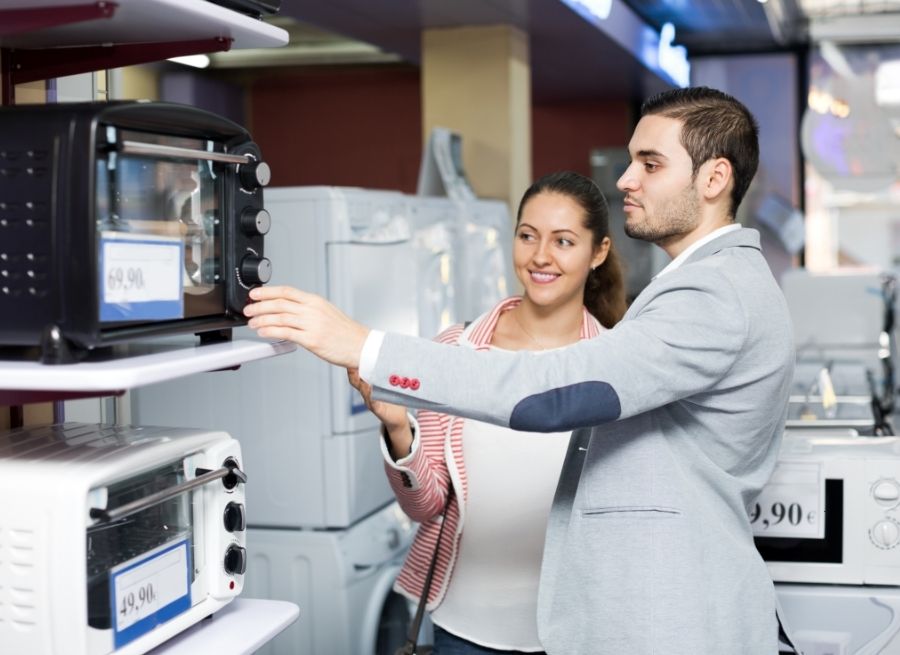
Choosing the right microwave is important for safety and convenience. A good microwave fits your kitchen needs and keeps your food safe. Consider size, power, and safety features to make the best choice.
Size And Power Considerations
Microwaves come in different sizes and power levels. Small models suit small kitchens or light use. Larger microwaves can cook more food faster. Higher wattage means faster cooking and even heating. Choose a microwave size that fits your counter space. Match the power to your cooking habits.
Safety Features To Look For
Safety features protect you and your family. Look for child lock functions to prevent accidents. Auto shut-off stops the microwave if something goes wrong. A sturdy door with a secure latch keeps microwaves contained. Some models have sensors to avoid overheating food. These features help avoid burns and fires.
Safe Microwave Placement
Placing a microwave oven correctly in your kitchen is key to safe use. A well-chosen spot keeps the microwave working well and prevents accidents. This section covers important tips for safe microwave placement.
Proper Ventilation
Microwaves need space to release heat safely. Keep at least two inches of space around the sides and back. Avoid placing the microwave in a closed cabinet without vents. This can cause overheating and damage the appliance. Proper airflow helps the microwave last longer and work efficiently.
Avoiding Heat Hazards
Do not place the microwave near heat sources like stoves or ovens. Heat can affect the microwave’s parts and cause malfunctions. Also, avoid putting it where it can get wet, such as near sinks. Moisture and heat together create safety risks. Choose a dry, cool spot away from direct sunlight.
Using Microwave-safe Containers
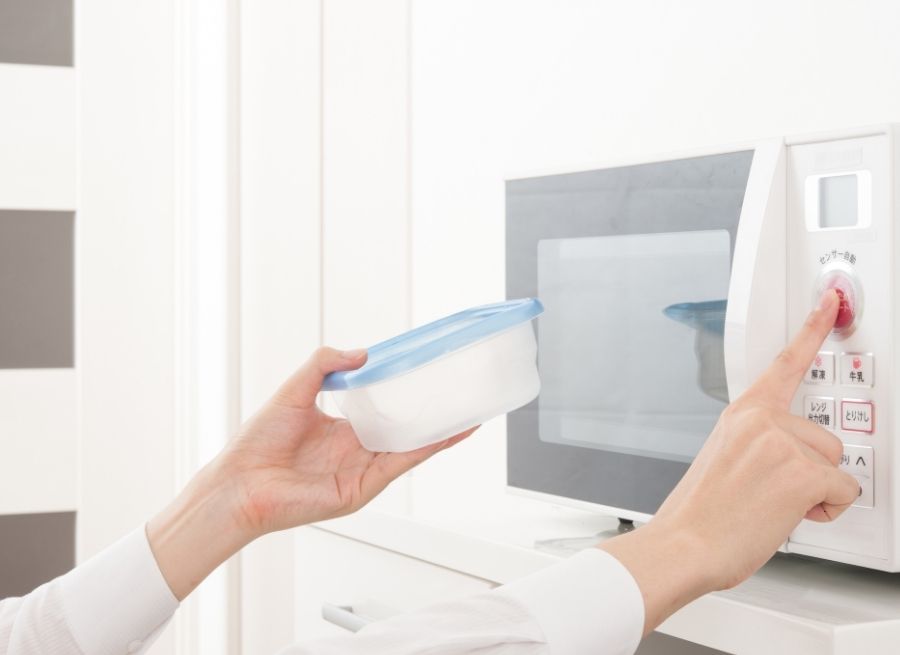
Choosing the right containers for microwave cooking matters a lot. Using safe containers protects your food and your microwave. It also keeps harmful chemicals from mixing with your meal. Always check if a container is labeled “microwave-safe” before use.
Materials To Avoid
Never use metal containers in the microwave. They can cause sparks and fires. Avoid aluminum foil and containers with metallic paint or trim. Some plastics can melt or release toxins when heated. Steer clear of plastic containers not marked microwave-safe. Also, avoid Styrofoam cups and takeout boxes as they may break down and leak chemicals.
Best Containers For Heating
Glass and ceramic containers work well in microwaves. They heat food evenly without melting. Use microwave-safe plastic containers designed for heating. These containers stay stable and do not release harmful chemicals. Silicone containers are also a safe choice. Look for labels that confirm microwave safety before using any container.
Preventing Burns And Injuries
Preventing burns and injuries is key for safe microwave use. The microwave heats food quickly, but it can also cause accidents. Hot containers and steam can cause serious burns. Simple habits can protect you and your family from harm.
Handling Hot Containers
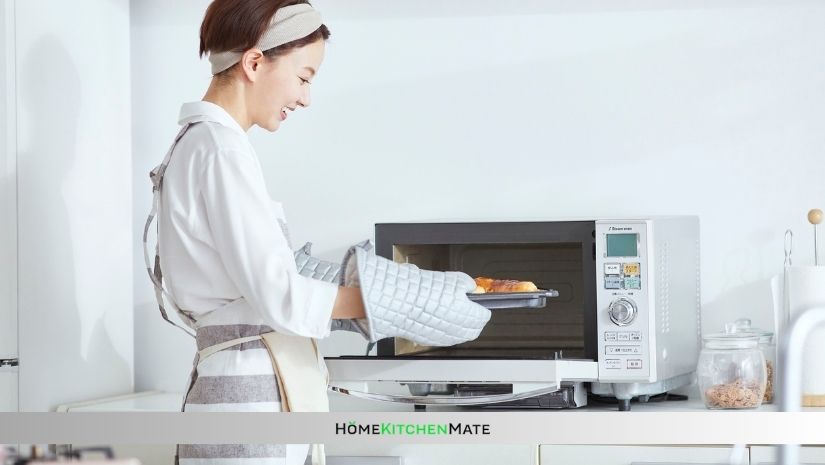
Always use oven mitts or thick towels to hold hot dishes. Containers can become very hot and cause burns. Avoid using thin cloths that do not protect well. Lift the container carefully to avoid spills. Set hot dishes on a heat-safe surface after removing them.
Safe Opening Techniques
Steam can build up inside covered containers. Open lids or plastic wrap away from your face. Tilt the lid or cover to let steam escape slowly. This reduces the risk of steam burns. Use a utensil to lift covers if needed. Take your time when opening to stay safe.
Avoiding Microwave Fires
Microwave ovens are handy for quick meals. But they can start fires if not used safely. Knowing how to avoid microwave fires helps keep your kitchen safe. Simple steps and care can prevent many accidents. Stay alert and protect your home.
Common Causes Of Fires
Metal objects inside the microwave can spark and cause fires. Overheating food or liquids also leads to flames. Using containers not safe for microwaves increases fire risks. Running the microwave empty can damage the appliance and start fires. Foods with low moisture, like popcorn, can burn easily. Always check what you place inside before starting.
Steps To Take If A Fire Starts
Turn off the microwave immediately. Keep the microwave door closed to stop oxygen from feeding the fire. Unplug the appliance if it is safe to do so. Never use water to put out a microwave fire. Use a fire extinguisher rated for electrical fires if needed. Call emergency services if the fire grows or spreads.
Maintaining Microwave Cleanliness
Keeping your microwave clean is important for safety and food quality. A clean microwave heats food evenly and reduces bacteria growth. Dirt and spills inside can cause bad smells and affect cooking.
Regular cleaning helps avoid stains and keeps your microwave working well. It also prevents harmful germs from spreading to your food. Clean microwaves look better and last longer.
Cleaning Tips For Safety
Unplug the microwave before cleaning to avoid electric shock. Use a soft cloth or sponge with warm, soapy water. Avoid harsh chemicals that can damage the inside. Clean spills right away to prevent buildup. Remove the turntable and wash it separately. Wipe the door seals gently to keep them tight. Dry all parts before using the microwave again.
Preventing Odors And Residue
Place a bowl of water with lemon slices inside and heat for a few minutes. The steam loosens stuck food and removes smells. Wipe the inside with a clean cloth after steaming. Use baking soda paste for tough stains and odors. Leave the microwave door open for a while after cleaning. This helps fresh air circulate and prevents damp smells.
Microwave Usage Tips
Microwave ovens make cooking fast and simple. They save time and energy in the kitchen. Using a microwave correctly keeps food safe and tasty.
Knowing how to use your microwave well can prevent accidents. It also helps avoid food that is unevenly cooked or overheated.
Proper Cooking Times
Set the right cooking time for each food type. Check package instructions for guidance. Start with shorter times and add more if needed.
Use a microwave-safe timer or the built-in timer on the oven. Avoid guessing times to prevent undercooked or burnt food.
Avoiding Overheating Food
Overheating can cause food to dry out or burn. It also creates hot spots that might cause burns.
Stir or rotate food halfway through cooking for even heat. Let food stand for a minute after cooking to spread heat evenly.
Handling Microwave Malfunctions
Handling microwave malfunctions is important for every home cook. A microwave that does not work well can be unsafe. Knowing how to spot problems early helps keep your kitchen safe. It also saves you time and money. Learn the signs of damage and when to repair or replace your microwave.
Signs Of Damage
Look for cracks or dents on the microwave door. These can cause radiation leaks. Check if the door does not close tightly. Listen for strange noises during operation. Sparks or burning smells are serious warning signs. If your food heats unevenly, the microwave may be faulty. Buttons that do not respond or the display going blank show electrical problems. Watch for smoke or unusual heat from the microwave.
When To Repair Or Replace
Small problems like a broken button can be repaired. Call a professional if you see sparks or smell burning. If the door is damaged, replace the microwave. Repairs might cost more than a new one if the microwave is old. Consider the age and condition before deciding. Safety should always come first when using a microwave.
Educating Family Members
Teaching family members about microwave oven safety protects everyone in the home. It reduces accidents and helps keep meals safe. Clear guidance and simple rules make a big difference. Everyone should know how to use the microwave properly. Safety starts with education and good habits.
Teaching Kids Microwave Safety
Kids must learn microwave safety early. Explain that microwaves heat food quickly and unevenly. Show them how to use microwave-safe containers. Teach them to avoid metal and foil inside the microwave. Warn about steam burns from hot food or liquids. Supervise young children until they understand the rules well. Keep the microwave door closed firmly to stop leaks.
Setting Household Rules
Create clear rules for microwave use in your home. Set limits on who can use the microwave alone. Decide what types of containers are allowed. Remind family members to check food temperature before eating. Establish no-running zones near the microwave to prevent accidents. Post simple safety tips near the microwave as reminders. Consistent rules help everyone remember how to stay safe.
Frequently Asked Questions
How Do I Prevent Microwave Fires At Home?
Always use microwave-safe containers and avoid metal objects inside. Never overheat food or liquids, and regularly clean the microwave to prevent grease buildup, which can catch fire. Follow your microwave’s manual for safe usage instructions to minimize fire risks.
Can I Use Plastic Containers In The Microwave?
Only use microwave-safe plastic containers labeled for microwave use. Avoid plastics not intended for microwaving, as they can melt or release harmful chemicals. When in doubt, use glass or ceramic containers for safer heating.
Why Shouldn’t I Microwave Eggs In Their Shells?
Microwaving eggs in shells can cause them to explode due to steam buildup. Always crack eggs into a microwave-safe dish and pierce the yolk to allow steam to escape safely.
How Do I Avoid Burns When Removing Hot Food?
Use oven mitts or microwave-safe gloves to handle hot dishes. Open containers carefully to avoid steam burns. Let food stand for a minute after microwaving to allow heat to distribute evenly.
Conclusion
Microwave ovens make cooking fast and easy. Staying safe prevents accidents and keeps your family healthy. Always follow basic safety tips for best results. Use microwave-safe containers and avoid metal inside. Check food temperature before eating to avoid burns. Clean your microwave regularly to stop germs from growing.
Simple care keeps your microwave working well longer. Cooking safely means enjoying your meals without worry. Small habits make a big difference in the kitchen. Stay safe, stay smart, and enjoy your cooking time.

Rachel Bennett is a passionate home cook, kitchen enthusiast, and the voice behind Home Kitchen Mate. With years of hands-on experience experimenting in the kitchen, she blends creativity and practicality to make cooking easier and more enjoyable for everyone.