
Are you sure you’re getting the most out of your kitchen appliances? Using them the wrong way can lead to wasted time, spoiled food, or even costly damage.
Imagine what it would feel like to accidentally ruin a meal or have your favorite gadget break down just when you need it most. You don’t want to make these common mistakes that many people overlook. Keep reading to discover the simple yet powerful tips that will protect your appliances and make your cooking experience smoother and more enjoyable.
Your kitchen—and your wallet—will thank you.
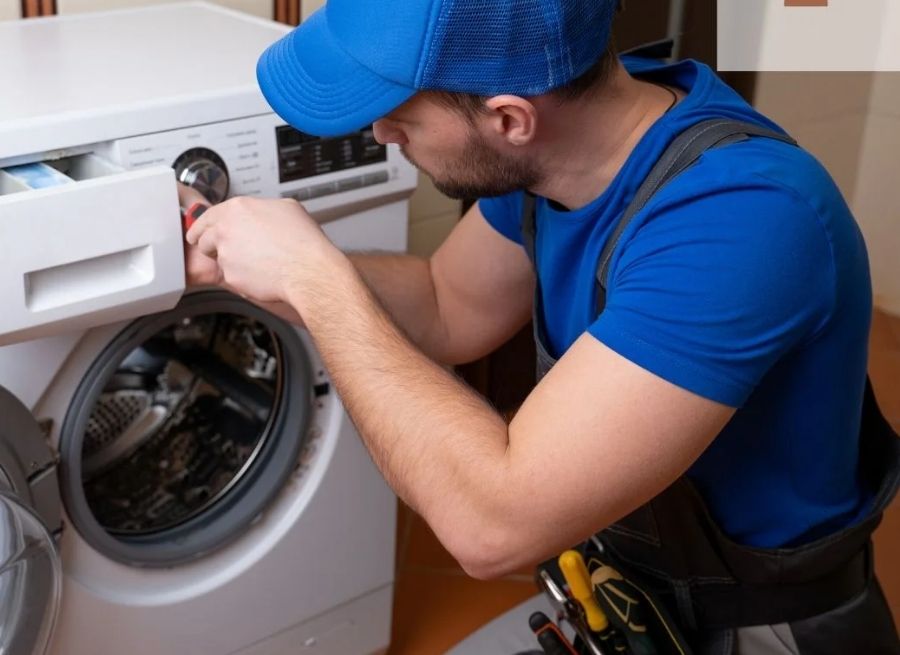
Common Appliance Errors
Kitchen appliances make cooking easier and faster. Many people make simple mistakes that can damage these devices. Avoiding common errors helps keep appliances working well for years. Learn about frequent mistakes to protect your kitchen tools.
Overloading Devices
Overloading appliances strains motors and parts. For example, filling a blender beyond its max line can cause the motor to burn out. Overloading a dishwasher may stop it from cleaning dishes properly. Always follow the recommended capacity to avoid damage and poor performance.
Ignoring Maintenance
Skipping regular cleaning and checks shortens appliance life. Dust and food debris can block vents or cause bad smells. Filters in range hoods and coffee makers need cleaning or replacing. Regular maintenance keeps appliances safe and working efficiently.
Using Wrong Accessories
Using accessories not made for your appliance causes problems. The wrong blender blades can break or fail to blend. Using incorrect oven trays can lead to uneven cooking. Always use accessories designed for your model to avoid damage and improve results.
Safety Hazards
Using kitchen appliances without care can cause serious safety problems. Many accidents happen because people do not follow simple safety rules. Knowing common safety hazards helps keep you and your family safe. This section covers key mistakes to avoid to prevent accidents and damage.
Ignoring Manufacturer Guidelines
Each appliance comes with instructions. These tell you how to use it safely. Ignoring these instructions can cause fires or electric shocks. Follow the steps for cleaning, usage, and maintenance. The guidelines protect you and extend the life of your appliances.
Using Damaged Cords
Damaged cords are a big danger. Frayed or cracked cords can cause electric shocks. They can also start fires. Always check the cords before use. Replace any appliance with a faulty cord. Never try to fix a cord yourself.
Placing Appliances Near Water
Water and electricity do not mix. Putting appliances close to sinks or wet areas can cause shocks. Keep appliances on dry, stable surfaces. Avoid using them with wet hands. This simple step reduces the risk of accidents.
Energy Wasting Habits
Energy wasting habits in the kitchen can raise your electric bill. They also harm the environment. Small changes in how you use appliances save energy and money. Knowing which habits waste energy helps you avoid them.
Leaving Appliances On Unattended
Many people leave appliances running when not in use. A toaster, oven, or coffee maker left on wastes power. It also creates safety risks. Always turn off appliances immediately after use. Unplug devices that do not need to stay plugged in.
Using Appliances Inefficiently
Using appliances the wrong way burns extra energy. For example, overfilling the dishwasher makes it run longer. Running the washing machine with small loads wastes water and electricity. Follow the appliance instructions for best use. Use the right settings and load sizes.
Neglecting Energy-saving Features
Many modern kitchen appliances have energy-saving modes. Ignoring these settings leads to higher energy use. Use eco or energy saver settings whenever possible. These features reduce power use without affecting performance. Check your appliance manual to find these options.
Cleaning Mistakes
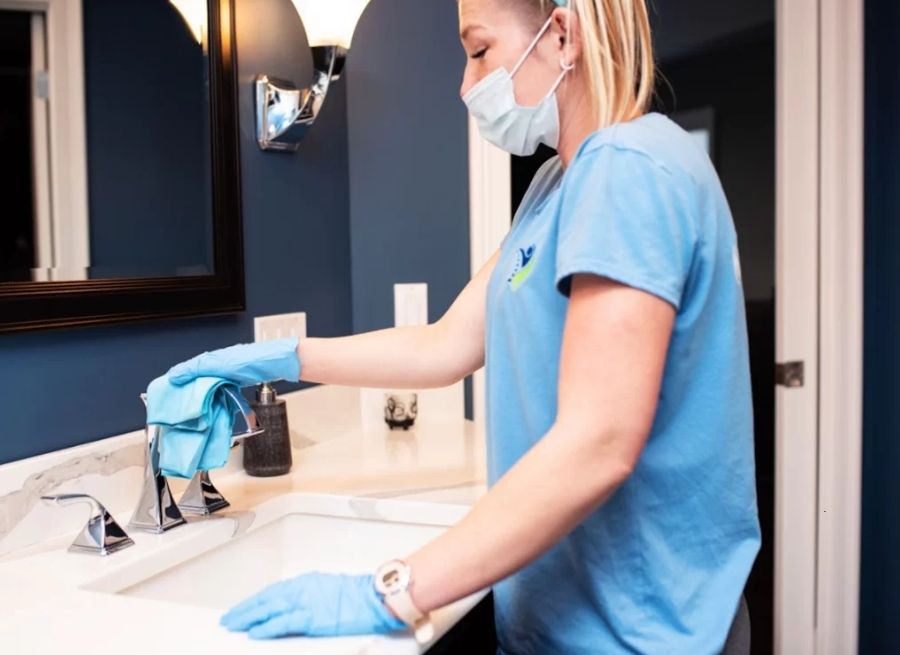
Cleaning kitchen appliances is important for their performance and safety. Many people make mistakes that can damage these tools or reduce their life. Avoiding common cleaning errors helps keep appliances working well.
Using Harsh Chemicals
Harsh chemicals can ruin your appliance’s surface or parts. Strong cleaners may cause discoloration or corrosion. Use mild soap and warm water instead. Check the manual for recommended cleaning products. Gentle cleaners keep appliances safe and clean.
Skipping Regular Cleaning
Ignoring regular cleaning leads to dirt and grime buildup. This can block vents, damage motors, and cause bad smells. Clean your appliances after every use. Regular care stops problems before they start. It keeps your kitchen fresh and your appliances lasting longer.
Improper Disassembly
Taking appliances apart without knowing how can cause damage. Some parts are fragile or hard to reassemble. Follow instructions carefully when disassembling. Use the right tools and take photos if needed. Proper care prevents broken parts and keeps appliances working well.
Storage And Placement Errors
Proper storage and placement of kitchen appliances matter a lot. These small details affect how long your appliances last and how well they work. Many people make common mistakes that can harm their devices or create safety risks.
Understanding these errors helps keep your kitchen safe and appliances in good condition. This section covers key storage and placement mistakes to avoid.
Storing Appliances Improperly
Putting appliances in damp or dusty places can cause damage. Moisture leads to rust and electrical problems. Dust blocks vents and slows down motors.
Store appliances in dry, clean spots. Use covers or containers to protect them. Avoid stacking heavy items on top of small devices.
Blocking Ventilation
Appliances need air to cool down. Blocking vents traps heat inside. This can cause overheating and shorten their lifespan.
Leave enough space around appliances for air to flow freely. Check vents regularly to keep them clear of dust and debris.
Placing Appliances On Unstable Surfaces
Unsteady surfaces cause appliances to wobble or fall. This leads to damage or accidents. Always place devices on flat, firm surfaces.
Use rubber mats or non-slip pads to keep appliances stable. Avoid edges or crowded spots where they might get knocked over.
Frequently Asked Questions
What Common Mistakes Harm Kitchen Appliance Performance?
Common mistakes include overloading, improper cleaning, and ignoring user manuals. Avoiding these ensures appliances work efficiently and last longer.
How To Prevent Damage When Using Kitchen Appliances?
Use appliances as instructed, avoid water contact with electrical parts, and unplug when not in use. Regular maintenance is crucial to prevent damage.
Why Is Reading The Manual Important For Kitchen Appliances?
Manuals provide safety guidelines, operating instructions, and maintenance tips. Reading them prevents misuse and extends appliance lifespan.
Can Improper Cleaning Damage Kitchen Appliances?
Yes, harsh chemicals or water exposure can harm components. Use recommended cleaning methods to maintain appliance function and safety.
Conclusion
Avoiding common mistakes helps keep your kitchen appliances safe and lasting. Clean appliances regularly to prevent buildup and damage. Always follow the user manual for proper use and care. Never overload devices to avoid breakdowns or accidents. Check cords and plugs for wear to stay safe.
Small steps lead to big savings on repairs and replacements. Use your appliances wisely, and they will serve you well. Simple care makes cooking easier and your kitchen happier.

Rachel Bennett is a passionate home cook, kitchen enthusiast, and the voice behind Home Kitchen Mate. With years of hands-on experience experimenting in the kitchen, she blends creativity and practicality to make cooking easier and more enjoyable for everyone.