Setting up a functional home kitchen can feel overwhelming, but it doesn’t have to be. Imagine having a space where everything you need is right at your fingertips, making cooking easier and more enjoyable.
This step-by-step guide will help you create that kitchen—one that works perfectly for your daily needs and cooking style. Whether you’re starting fresh or reorganizing, by the end of this article, you’ll know exactly how to design a kitchen that saves you time, reduces stress, and inspires you to cook more.
Ready to transform your kitchen into your favorite room in the house? Let’s get started.
Choosing The Right Layout
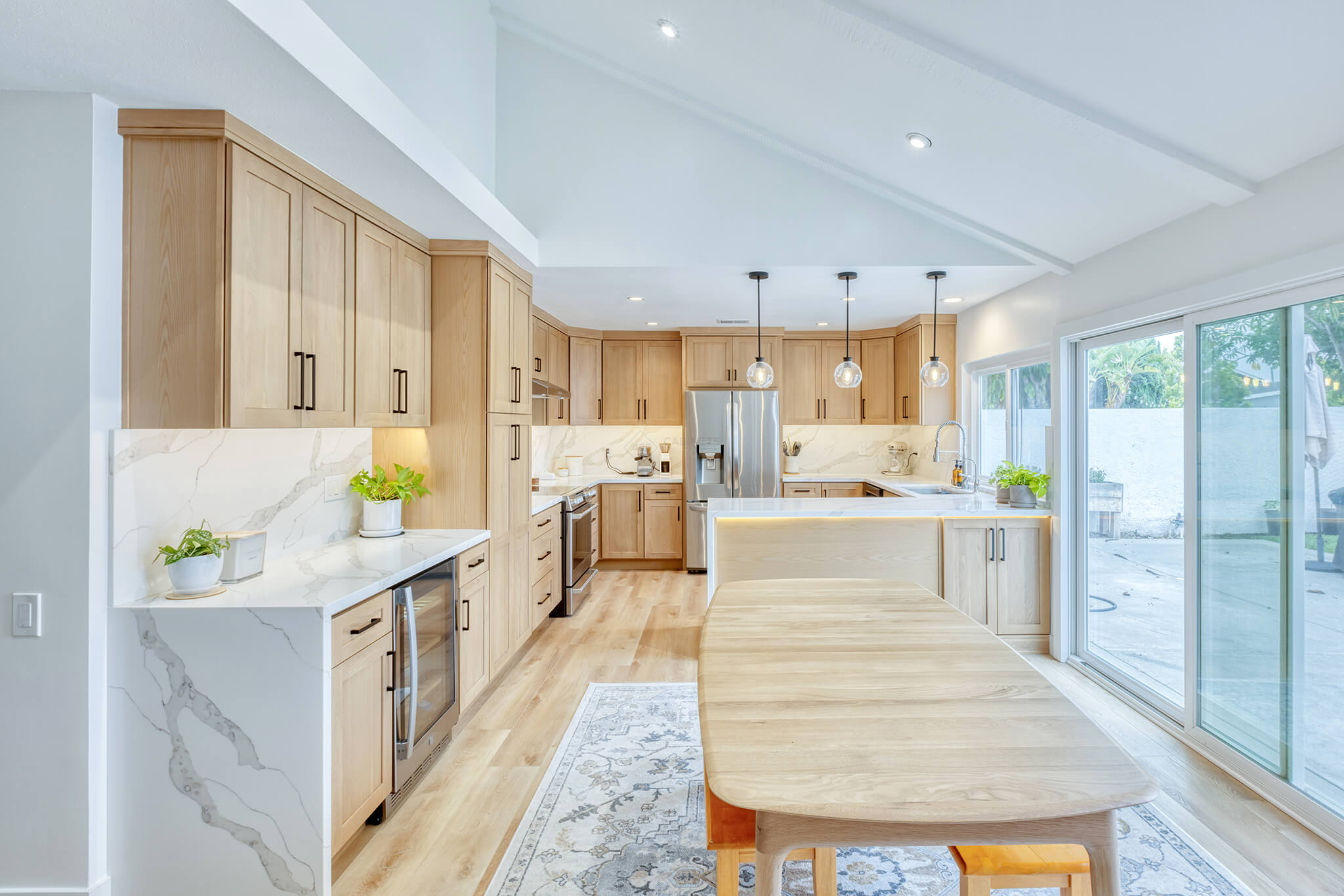
Choosing the right kitchen layout shapes how you use your space. A good layout makes cooking easier and keeps everything within reach. It balances storage, work areas, and movement paths. The right plan fits your room size and cooking style.
Assessing Available Space
Measure your kitchen carefully. Note the location of doors, windows, and utilities. Check how much wall and floor space you have. Consider ceiling height and natural light. Think about how many people use the kitchen at once. This helps decide the best layout and size for cabinets and appliances.
Popular Kitchen Layouts
Choose a layout that fits your space and needs. Common designs include:
- Single-wall:All appliances and cabinets on one wall. Good for small spaces.
- Galley:Two parallel walls with work areas. Efficient for cooking.
- L-shaped:Cabinets on two adjacent walls. Opens up space for dining or movement.
- U-shaped:Cabinets on three walls. Offers plenty of storage and countertop space.
- Island:Adds a central workspace. Great for larger kitchens.
Maximizing Efficiency
Place the sink, stove, and fridge in a triangle layout. This reduces walking distance during cooking. Keep frequently used items close to work areas. Use vertical space with shelves or hooks. Ensure enough counter space for prep and cooking. Clear paths help move safely and smoothly.
Credit: 405cs.com
Essential Appliances And Tools
Setting up a functional home kitchen starts with choosing the right appliances and tools. These items help you cook efficiently and enjoy your time in the kitchen. Picking essentials that fit your cooking style saves space and effort.
Selecting Key Appliances
Choose appliances that match your kitchen size and cooking needs. A reliable stove or cooktop is a must. A refrigerator keeps food fresh and within reach. A microwave adds convenience for quick meals. Consider a dishwasher to save time on cleaning. Small appliances like blenders or toasters add value but avoid clutter.
Must-have Kitchen Tools
Basic tools make cooking easier and safer. Sharp knives help with cutting tasks. Measuring cups and spoons ensure recipe accuracy. Mixing bowls come in handy for prep work. Use spatulas and wooden spoons for stirring. A cutting board protects surfaces and keeps food clean. Keep a peeler and can opener nearby for everyday use.
Organizing For Accessibility
Store appliances and tools where you use them most. Keep daily items within arm’s reach. Use drawers and shelves to separate tools by function. Use hooks for hanging pots, pans, and utensils. Clear containers help identify ingredients quickly. Organize to reduce clutter and improve workflow. Easy access saves time and reduces frustration.
Optimizing Storage Solutions
Optimizing storage solutions is key to a functional home kitchen. Proper storage keeps your kitchen organized and easy to use. It helps save space and reduces clutter. Smart storage ideas improve your cooking experience and make cleaning faster.
Cabinet And Drawer Ideas
Use pull-out shelves in cabinets for easy access to items. Install drawer dividers to keep utensils and tools separated. Lazy Susans in corner cabinets maximize hard-to-reach spaces. Consider deep drawers for pots and pans. Clear containers help identify contents quickly.
Utilizing Vertical Space
Install wall-mounted shelves to store spices and small items. Hang pots and pans on racks above counters. Use magnetic strips to hold knives or metal tools. Hooks under cabinets can hold mugs or cooking utensils. Tall cabinets reach up to the ceiling for extra storage.
Maintaining A Clutter-free Kitchen
Keep countertops clear by storing items in cabinets. Regularly remove unused or expired items. Use baskets or bins to group similar items together. Assign specific spots for each kitchen tool and ingredient. Clean as you go to maintain order and space.
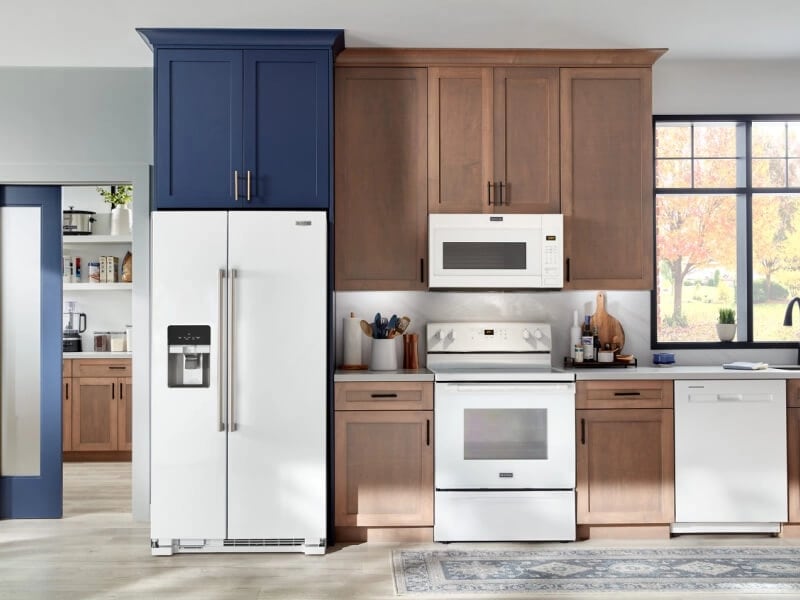
Credit: www.maytag.com

Credit: verana.co.uk
Frequently Asked Questions
What Are The Essential Tools For A Functional Home Kitchen?
Basic tools include knives, cutting boards, pots, pans, and measuring cups for easy cooking.
How Can I Organize My Kitchen For Better Efficiency?
Group similar items, use clear storage, and keep frequently used tools within reach.
What Is The Best Layout For A Home Kitchen?
A triangle layout between the sink, stove, and fridge saves time and effort.
How Do I Choose The Right Kitchen Appliances?
Pick appliances that fit your cooking style and kitchen size for convenience and space-saving.
How To Maintain Cleanliness In A Busy Home Kitchen?
Clean as you cook, wipe surfaces daily, and organize items to reduce mess and germs.
Conclusion
Setting up a functional home kitchen takes time and planning. Start with basic tools and organize for easy access. Choose appliances that fit your needs and space. Keep your workspace clean and clutter-free to cook comfortably. Small steps lead to a kitchen that works well every day.
Enjoy cooking in a space designed just for you.

Rachel Bennett is a passionate home cook, kitchen enthusiast, and the voice behind Home Kitchen Mate. With years of hands-on experience experimenting in the kitchen, she blends creativity and practicality to make cooking easier and more enjoyable for everyone.