Are you tired of soggy, overcooked vegetables that ruin your meal? You want your veggies to be crispy, full of flavor, and perfectly cooked every time.
But how do you achieve that without turning them into mush? The secret lies in a few simple techniques that anyone can master. You’ll discover easy tips that will transform your vegetables from dull to delicious. Keep reading, and you’ll never settle for limp veggies again.

Credit: themodernnonna.com
Choosing The Right Vegetables
Choosing the right vegetables is crucial for achieving that perfect crispy texture without overcooking. Not all veggies respond the same way to heat, so knowing which ones hold up best can save you from soggy disappointment. Your choice affects not only texture but also flavor and cooking time.
Best Veggies For Crispiness
Some vegetables naturally stay firm and crunchy when cooked briefly at high heat. These include:
- Broccoli– Its thick stalks and florets crisp up nicely without turning mushy.
- Carrots– Their dense structure holds crispness well, especially when cut into sticks or coins.
- Bell peppers– They soften just enough while keeping a slight crunch.
- Snap peas– Thin but sturdy, they retain snap after a quick sauté or roast.
- Zucchini– Best when sliced thick to avoid turning watery.
Choosing these veggies can make your meal more satisfying and visually appealing. Have you noticed how some vegetables lose their snap too quickly? Picking the right ones changes everything.
How Freshness Affects Texture
Freshness plays a big role in how crispy your vegetables turn out. Fresher vegetables have more water and firmer cell walls, which help them stay crunchy during cooking.
Older vegetables tend to wilt and become soft faster, even with short cooking times. I once used slightly stale carrots and ended up with a mushy side dish, proving freshness is key.
To keep your veggies crisp, shop for firm, vibrant produce and store them properly before cooking. Have you checked the freshness of your vegetables before cooking today?
Cooking Techniques For Crispiness
Getting perfectly crispy vegetables without overcooking requires mastering a few key cooking techniques. Each method has its own way of preserving the vegetable’s natural crunch while enhancing flavor. Understanding these techniques will help you avoid soggy or burnt results and make your veggies truly shine on the plate.
High-heat Roasting Tips
Roasting at high temperatures brings out the best texture in vegetables. Preheat your oven to at least 425°F (220°C) to ensure a quick, intense heat that crisps the outside before the inside gets mushy.
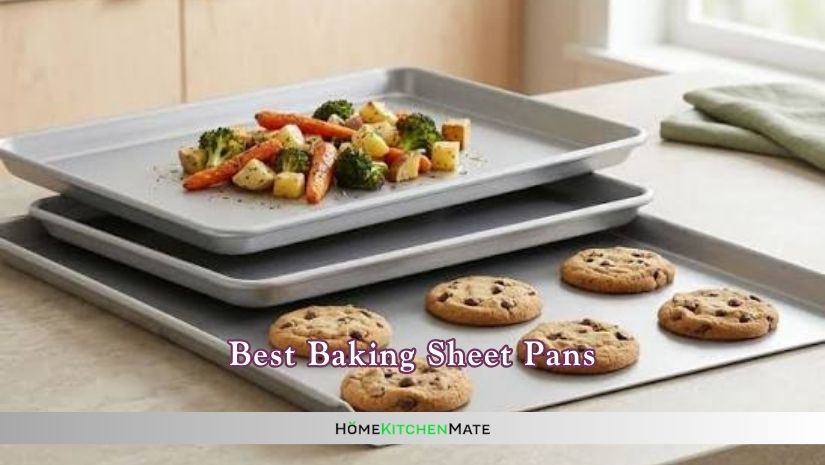
Use a single layer on a baking sheet to allow hot air to circulate evenly. Toss vegetables in a small amount of oil—just enough to coat—so they brown nicely without steaming.
- Cut vegetables into uniform sizes for even cooking.
- Flip or shake the pan halfway through roasting for balanced crispiness.
- Choose veggies with lower water content like Brussels sprouts or carrots for better results.
Sautéing Without Sogginess
Sautéing is quick and can lock in crispness if done right. Heat your pan until it’s hot before adding oil; this prevents vegetables from sweating and losing crunch.
Don’t overcrowd the pan. Too many pieces trap steam and cause sogginess. Instead, cook in batches if needed.
- Use oils with a high smoke point such as avocado or grapeseed oil.
- Add vegetables in order of cooking time—denser ones first, then quicker-cooking ones later.
- Avoid stirring constantly; let them sit briefly to develop a crisp surface.
Using Steam And Blanch Methods
Steaming and blanching are great for preserving color and crispness before finishing with another cooking method. Steam vegetables just until they’re bright and tender-crisp, not soft.
For blanching, immerse vegetables in boiling water for a very short time, then immediately cool them in ice water. This stops the cooking process and keeps them firm.
- This technique is especially useful for green beans, broccoli, and asparagus.
- After blanching, dry vegetables thoroughly before roasting or sautéing to avoid sogginess.
- Have you ever noticed how perfect green beans taste after a quick blanch? It’s all about timing.
Seasoning And Timing Tricks
Seasoning and timing are key to crispy vegetables without overcooking. Knowing when to add salt and oil affects texture and flavor. Proper cooking durations prevent soggy or burnt veggies. Cooling the vegetables right after cooking helps keep their crunch. These small tricks make a big difference in your vegetable dishes.
When To Add Salt And Oil
Adding salt too early draws out moisture, making vegetables soggy. Wait until vegetables start to brown before salting. Oil helps in crisping but add it just before cooking. Toss vegetables in oil evenly for a nice coating. This prevents sticking and promotes even cooking.
Optimal Cooking Durations
Cooking vegetables too long makes them soft and mushy. Short cooking times keep them firm and crisp. Use high heat to cook quickly and seal in texture. Stir frequently to avoid burning and cook evenly. Keep a close eye to catch the perfect doneness.
Cooling To Maintain Crunch
Immediately transfer cooked vegetables to a cool surface. Spread them out on a baking sheet or plate to stop cooking. Cooling prevents steam from making them soggy. Serve vegetables warm but not hot for best crunch. This little step keeps texture fresh and crisp.
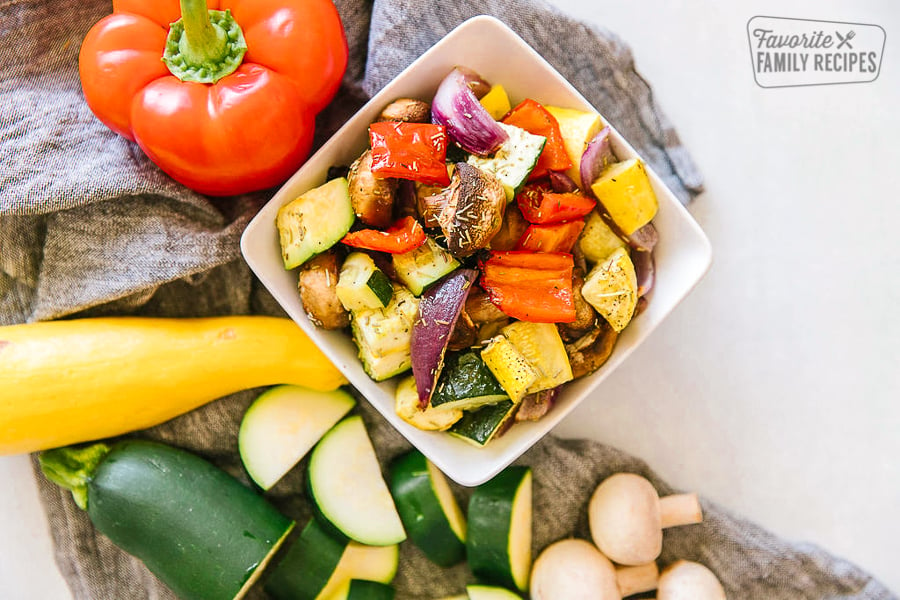
Credit: www.favfamilyrecipes.com
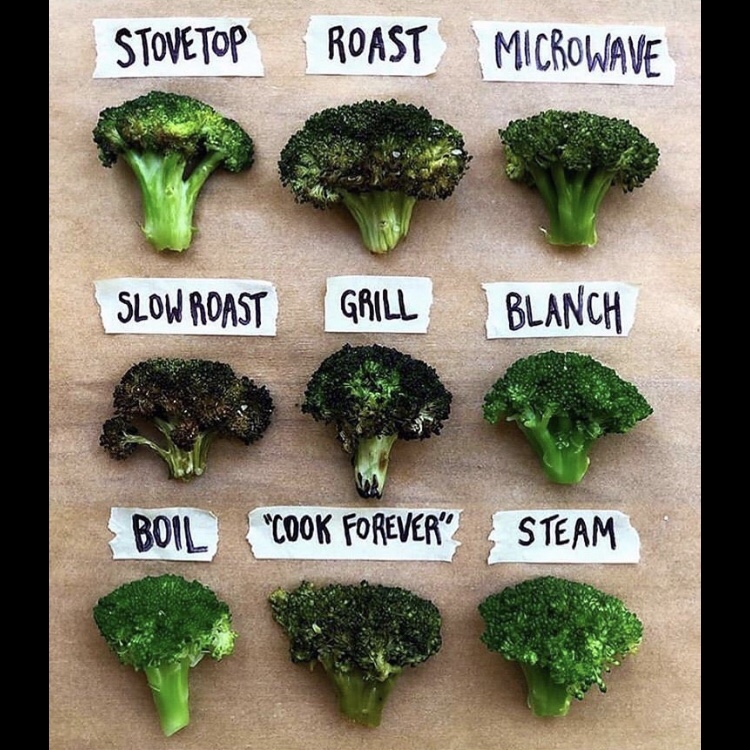
Credit: whatcanbegained.com
Frequently Asked Questions
How Can I Make Vegetables Crispy Without Overcooking?
Use high heat and cook quickly, stirring often to avoid soft, soggy veggies.
What Cooking Methods Keep Vegetables Crispy?
Roasting, sautéing, and stir-frying work best for crisp texture.
Should I Soak Vegetables Before Cooking For Crispiness?
Soaking can add moisture but drying them well before cooking helps crisp better.
Does Oil Type Affect Vegetable Crispiness?
Yes, oils with high smoke points like canola or avocado help crisp vegetables.
How Do I Prevent Vegetables From Steaming And Getting Soggy?
Cook in a hot pan without crowding to avoid steam and soggy texture.
Conclusion
Crispy vegetables bring joy to every meal. Use high heat and quick cooking times. Cut vegetables into even pieces for uniform cooking. Avoid overcrowding the pan to keep them crisp. A little oil helps create a nice texture. Taste and adjust seasoning as you cook.
Practice these tips to enjoy perfect vegetables. Cooking can be simple and rewarding. Try these methods today and see the difference. Fresh, crisp vegetables make meals healthier and tastier.

Rachel Bennett is a passionate home cook, kitchen enthusiast, and the voice behind Home Kitchen Mate. With years of hands-on experience experimenting in the kitchen, she blends creativity and practicality to make cooking easier and more enjoyable for everyone.