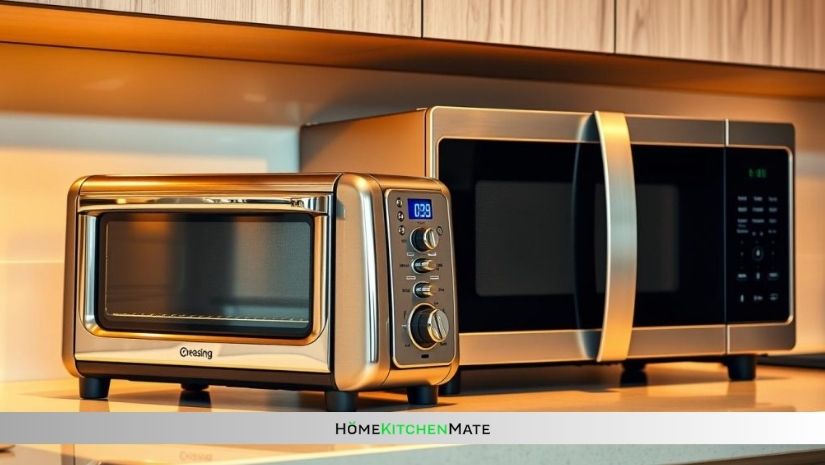
Are you torn between choosing a toaster oven or a microwave oven for your kitchen? You’re not alone.
Both appliances promise quick and easy meals, but which one truly fits your needs? Imagine saving time, cooking better food, and making your kitchen work smarter—not harder. You’ll discover the real differences, benefits, and drawbacks of each option. By the end, you’ll feel confident about picking the perfect appliance that matches your lifestyle and cooking style.
Let’s dive in and find out which one is better for you.
How Toaster Ovens Work
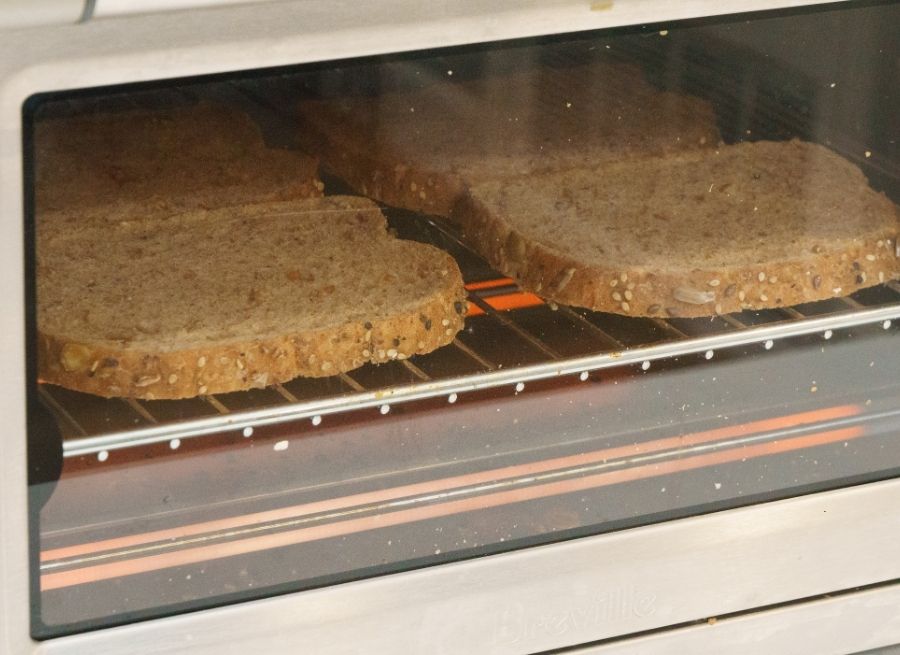
Toaster ovens are small kitchen appliances that heat and cook food quickly. They look like small ovens and use electric heat to warm food. Understanding how toaster ovens work helps you decide if they suit your cooking needs.
Heating Mechanism
Toaster ovens use electric heating elements. These elements are usually made of metal coils. When electricity passes through, the coils get hot. The heat radiates inside the oven chamber.
The heat cooks the food by surrounding it with hot air. This process is similar to a traditional oven but on a smaller scale. Some toaster ovens have a fan that helps spread heat evenly. This fan improves cooking by moving hot air around food.
Common Features
Most toaster ovens have adjustable temperature controls. You can set the heat to low, medium, or high. They also have timers to stop cooking after a set time.
Many models include different cooking modes like bake, broil, and toast. Some toaster ovens have racks and trays to hold food. These features make toaster ovens versatile for many recipes.
How Microwave Ovens Work
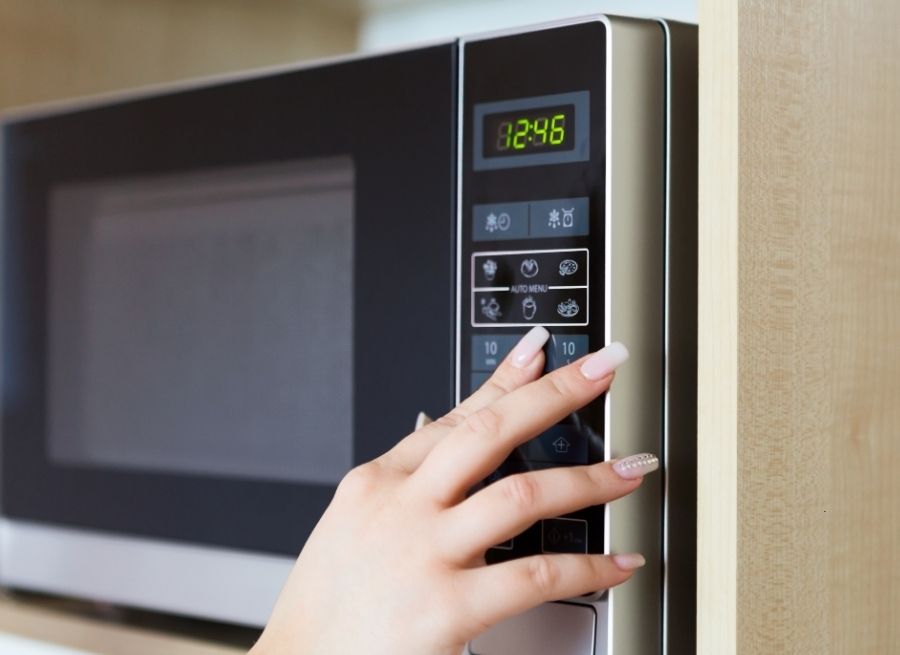
Microwave ovens are a common kitchen tool for quick cooking and reheating. Understanding how they work helps in choosing the right appliance for your needs. Microwaves use a special kind of energy to heat food fast and evenly.
Microwave Technology
Microwave ovens use electromagnetic waves called microwaves. These waves target water molecules in the food. The water molecules vibrate rapidly, creating heat. This heat cooks the food from inside out. The process is fast because it heats the food directly, not the air around it.
A metal box called a magnetron produces these microwaves. Inside the oven, waves bounce off the metal walls. This spreads the energy evenly inside. The turntable helps food rotate for uniform heating.
Typical Functions
Microwave ovens can do more than heat food. Many models have defrost settings to thaw frozen items safely. Some offer preset cooking modes for popcorn, vegetables, or beverages. Power levels adjust cooking speed and intensity. Timers help control cooking duration precisely. These functions make microwaves versatile and easy to use.
Cooking Performance Comparison
Comparing cooking performance helps decide which appliance suits your kitchen best. Toaster ovens and microwave ovens cook food differently. Understanding their speed, quality, and versatility helps make a smart choice.
Speed And Efficiency
Microwave ovens heat food very quickly. They use electromagnetic waves to warm food fast. This makes them perfect for reheating and simple cooking. Toaster ovens take longer. They use heating elements to bake or toast food. They need more time but cook food more evenly. Microwaves save time but use more energy for some tasks. Toaster ovens use energy steadily during cooking.
Cooking Quality
Toaster ovens give better cooking results for baked or toasted dishes. They brown and crisp food well, adding texture and flavor. Microwaves cook food but do not brown it. Food may turn soggy or unevenly heated. Toaster ovens produce a fresh, homemade taste. Microwaves are best for soft or quick meals. Both have strengths depending on food type.
Versatility
Toaster ovens offer many cooking options. You can bake, toast, broil, and roast in one device. They handle a variety of foods and cooking styles. Microwaves mostly reheat and defrost food quickly. Some models include grill or convection features, but these are less common. Toaster ovens suit cooking meals with different textures. Microwaves excel at fast, simple heating tasks.
Energy Consumption And Cost
Energy consumption and cost are important factors for many when choosing kitchen appliances. Both toaster ovens and microwave ovens use electricity but at different rates. Understanding how much power they use helps decide which is better for your budget and environment.
Power Usage
Microwave ovens use high power for a short time. They cook food quickly by heating water molecules inside the food. Most microwaves use between 600 to 1200 watts. Toaster ovens use less power at once but take longer to cook. They usually use 1200 to 1800 watts depending on the model. The longer cooking time means they may use more energy overall.
Operating Costs
Microwaves cost less to run because they cook fast. Using a microwave for 5 minutes uses less electricity than a toaster oven for 15 minutes. Toaster ovens can add up in cost due to longer cooking times. The exact cost depends on your electric rate and how often you cook. For small meals, microwaves save money. For baking or toasting, toaster ovens may be worth the extra cost.
Size And Kitchen Space
Choosing between a toaster oven and a microwave often depends on your kitchen space. Both appliances have different sizes and shapes. These differences affect where and how you place them.
Small kitchens need appliances that fit well without crowding. Large kitchens offer more flexibility but still benefit from smart space use. Understanding the size and space needs of each appliance helps you make a good choice.
Counter Space Needs
Toaster ovens usually take more counter space than microwaves. They have a wider base and often a taller height. This space is needed for air to circulate and for opening the door fully.
Microwaves are generally compact and stack well. You can place them on a countertop or mount them above the stove. This saves a lot of valuable counter space.
Portability
Microwaves are heavier and less easy to move around. They often need a power outlet nearby and a stable surface. Toaster ovens are lighter and easier to carry from one spot to another.
Portability matters if you like to rearrange your kitchen or take appliances outside. Toaster ovens offer more flexibility in this area.
Safety And Maintenance
Safety and maintenance are important factors when choosing between a toaster oven and a microwave oven. Both appliances need care to keep them working well and to avoid accidents. Understanding their safety features and how to clean them helps in making the right choice.
Safety Features
Toaster ovens have automatic shut-off timers. They stop heating once the time ends. This feature prevents burning food and fires. Many models have cool-touch doors. This keeps the outside surface safe to touch.
Microwave ovens also include safety locks. These locks stop the microwave from running with the door open. They protect children and prevent accidents. Most microwaves have sensors to avoid overheating. They turn off the appliance if it gets too hot.
Cleaning And Upkeep
Toaster ovens need regular cleaning inside. Crumbs and spills can cause smoke or fire. Use a soft cloth and mild soap for cleaning. Avoid harsh chemicals that can damage the surface.
Microwaves are easier to clean. Use a damp cloth to wipe the interior after use. Steam cleaning works well. Heat a bowl of water inside to loosen grime. Wipe down with a cloth afterward.
Both appliances need to be unplugged before cleaning. Check the user manual for specific care instructions. Proper maintenance extends the life of your oven.
Best Uses For Each Appliance
Choosing the right kitchen appliance saves time and improves meal quality. Toaster ovens and microwaves serve different cooking needs. Knowing their best uses helps pick the right one for your kitchen tasks.
Ideal For Toaster Ovens
Toaster ovens excel at baking, toasting, and broiling. They create a crispy texture on bread and pizza. Small casseroles and reheating leftovers work well here. They also brown food evenly, unlike microwaves. Use toaster ovens for roasting vegetables or melting cheese. They are perfect for slow cooking and crisp finishes.
Ideal For Microwaves
Microwaves heat food quickly and evenly. They are great for defrosting frozen meals fast. Reheating soups, drinks, and leftovers is easy. Microwaves cook food without changing its texture much. They save time on simple tasks like boiling water. Steaming vegetables or cooking instant meals suits microwaves best.
Price Range And Value
Price plays a big role in choosing between a toaster oven and a microwave oven. Both appliances vary in cost and usefulness. Understanding their price range and value helps you pick the best fit for your kitchen and budget.
Initial Investment
Microwave ovens usually cost less upfront. You can find basic models under $50. Higher-end models with extra features may cost over $200. Toaster ovens often start around $30 but can go above $150. The price depends on size and functions like convection or air frying.
Microwaves offer fast cooking with simple controls. Toaster ovens provide more cooking options but may take longer. The initial cost depends on what you want to cook and how often you use it.
Long-term Value
Microwave ovens use less power for quick heating. This can save money on electricity bills. They also last around 7 to 10 years with proper care. Toaster ovens use more electricity but offer baking and crisping options. This adds variety to your meals.
Toaster ovens may need more maintenance, like replacing heating elements. Both appliances hold value if they fit your cooking style. Think about how often you cook and what foods you prefer.
Frequently Asked Questions
Which Is Healthier: Toaster Oven Or Microwave Oven?
Toaster ovens often brown food, creating a crispy texture without added oils. Microwaves cook quickly but may retain moisture. Both appliances preserve nutrients well, but toaster ovens are better for baking and roasting, while microwaves excel at reheating and steaming.
Can A Toaster Oven Replace A Microwave Oven?
A toaster oven can replace some microwave functions like reheating and baking. However, microwaves cook faster and handle liquids better. For quick heating, microwaves are more convenient. Toaster ovens offer more cooking versatility but take longer to heat food.
Which Appliance Saves More Energy: Toaster Or Microwave?
Microwave ovens generally use less energy due to faster cooking times. Toaster ovens consume more power as they operate longer to cook food evenly. For short tasks like reheating, microwaves are more energy-efficient. For baking, toaster ovens are more suitable despite higher energy use.
Are Toaster Ovens Better For Cooking Variety?
Yes, toaster ovens can bake, broil, toast, and roast. They provide consistent heat and browning. Microwaves mainly reheat and steam. Toaster ovens offer more cooking flexibility and improved texture, making them ideal for diverse recipes and meals.
Conclusion
Choosing between a toaster oven and a microwave depends on your needs. Toaster ovens cook food evenly and brown it nicely. Microwaves heat food quickly and save time. Both have their strengths for different tasks. Think about what you cook most often.
Space and budget also matter in your choice. Either way, both can make your kitchen work easier. Decide what fits your lifestyle best. Simple and smart cooking is what matters most.

Rachel Bennett is a passionate home cook, kitchen enthusiast, and the voice behind Home Kitchen Mate. With years of hands-on experience experimenting in the kitchen, she blends creativity and practicality to make cooking easier and more enjoyable for everyone.