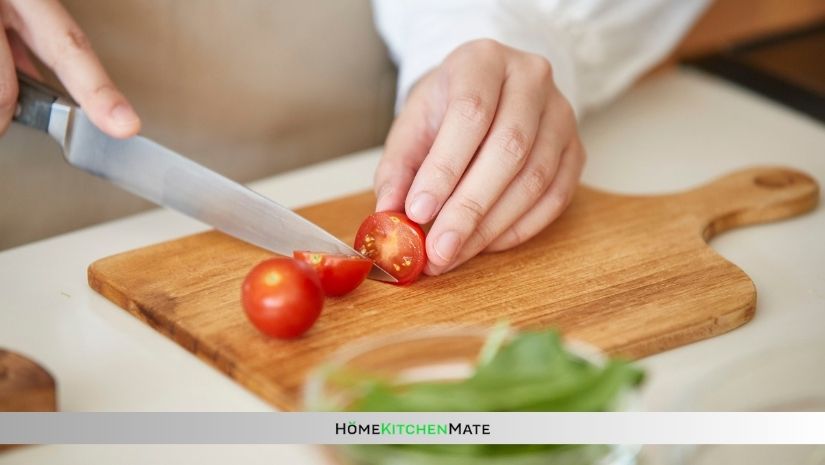
You probably use your wooden cutting board every day, and keeping it clean is important for your kitchen’s safety. But have you ever wondered if you can simply toss it in the dishwasher to save time?
It sounds easy, right? Before you do that, it’s crucial to know what really happens to wood when it meets hot water and harsh detergents. You’ll discover the surprising truth about wooden cutting boards and dishwashers—and learn the best way to care for yours so it lasts longer and stays safe for your food.
Keep reading to protect your board and your health.
Risks Of Dishwashing Wooden Boards
Wooden cutting boards face many risks in dishwashers. The heat and water can damage their structure and appearance. These risks reduce the board’s lifespan and make it unsafe for food use. Understanding these risks helps protect your wooden boards better.
Warping And Cracking
High heat and water cause wood to expand and contract. This leads to warping, where the board bends out of shape. Cracks can also form, making the surface uneven and hard to clean. Warped and cracked boards can trap bacteria in crevices. This makes the board unsafe for food preparation.
Loss Of Natural Oils
Wood has natural oils that keep it strong and smooth. Dishwashing strips these oils away quickly. Without oils, the wood dries out and becomes brittle. Dry wood is more likely to crack and absorb water. This damage invites bacteria and stains, reducing the board’s hygiene.
Safe Cleaning Alternatives
Wooden cutting boards need gentle care to stay in good shape. Dishwashers can harm them by causing cracks and warping. Safe cleaning keeps your board strong and clean for a long time.
Hand Washing Techniques
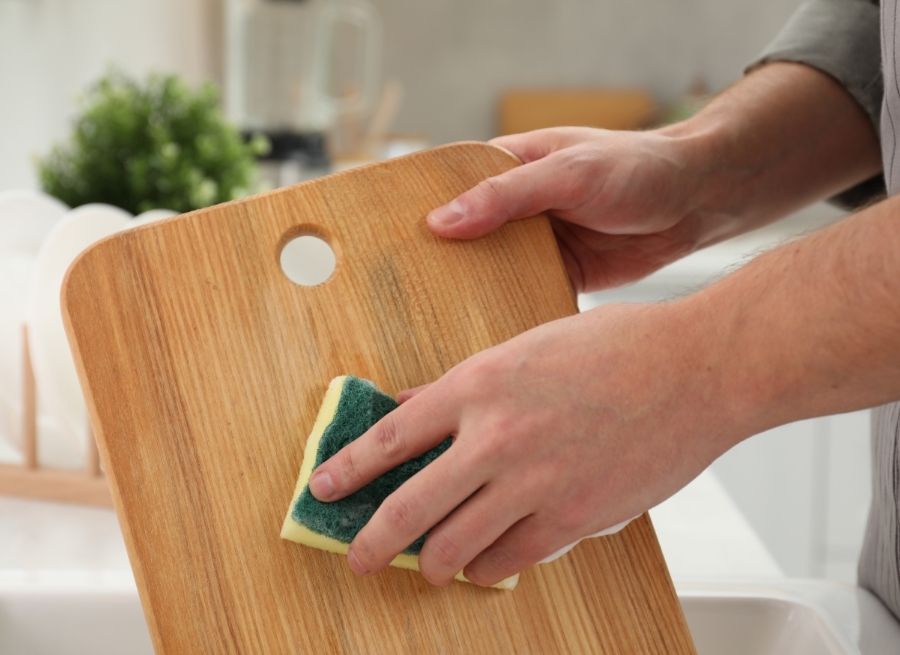
Use warm water and mild dish soap to clean your wooden board. Avoid soaking it in water for a long time. Scrub gently with a soft sponge or cloth. Rinse well to remove all soap. Never use harsh chemicals or bleach.
Proper Drying Methods
Dry the board immediately after washing to stop moisture damage. Use a clean towel to wipe off water. Stand the board upright in a well-ventilated area. Avoid leaving it flat on the counter while wet. Let it air dry completely before storing.
Maintaining Wooden Boards
Maintaining wooden cutting boards takes more than just regular washing. The right care keeps your board durable and safe for food prep. It also helps preserve the wood’s natural beauty and prevents cracking or warping over time.
Oiling And Conditioning
Applying oil regularly is crucial to keeping your wooden board in top shape. Use food-grade mineral oil or a specially formulated board conditioner. These products soak into the wood, stopping it from drying out and cracking.
How often should you oil your board? A good rule is once a month or whenever the wood looks dry. After oiling, let it sit overnight to absorb fully before using it again.
Aside from oil, you can use a beeswax-based conditioner to add an extra layer of protection. This helps repel water and keeps stains from setting in. Your board will feel smoother and look richer after conditioning.
When To Replace
Knowing when to replace your wooden cutting board is important for food safety. Deep grooves and cracks can harbor bacteria that even thorough cleaning can’t remove. If your board has significant damage, it’s time for a new one.
Ask yourself: Does your board look worn down or have large splits? Does it smell off even after cleaning? These signs indicate it’s no longer safe to use.
Replacing your board doesn’t mean you wasted money. Instead, think of it as protecting your health and improving your cooking experience. A fresh board feels good to work on and makes meal prep more enjoyable.
Frequently Asked Questions
Can Wooden Cutting Boards Survive Dishwasher Cleaning?
Wooden boards usually warp or crack in dishwashers due to heat and water exposure.
Why Should Wooden Cutting Boards Avoid The Dishwasher?
Dishwasher heat and water strip oils, causing wood to dry out and split.
How To Properly Clean A Wooden Cutting Board?
Wash with warm, soapy water and dry immediately with a towel.
What Happens If A Wooden Cutting Board Is Left Wet?
Wet wood can swell, crack, or grow mold, ruining the board.
Can Wooden Boards Be Sanitized Without A Dishwasher?
Yes, use vinegar or diluted bleach, then rinse and air dry.
How Often Should You Oil A Wooden Cutting Board?
Oil every few weeks to keep wood moist and prevent cracking.
Conclusion
Wooden cutting boards should not go in the dishwasher. The heat and water can crack or warp the wood. Hand washing with mild soap and warm water works best. Dry the board right after washing to stop damage. Regular oiling keeps the wood strong and smooth.
Taking care of wooden boards helps them last longer. Choose the right cleaning method for each cutting board. Keep your kitchen tools safe and clean every day.

Rachel Bennett is a passionate home cook, kitchen enthusiast, and the voice behind Home Kitchen Mate. With years of hands-on experience experimenting in the kitchen, she blends creativity and practicality to make cooking easier and more enjoyable for everyone.