Have you ever wondered if you can safely put glass in the oven? Maybe you’re about to bake your favorite dish and want to use that trusty glass dish in your kitchen cabinet.
But wait—will it crack, shatter, or stay perfectly intact? Knowing the answer can save you from a messy, costly kitchen disaster. You’ll discover exactly when glass is safe to use in the oven and what types to avoid. Keep reading to protect your cookware and get the best results every time you bake.
Types Of Oven-safe Glass
Not all glass is made equal when it comes to oven use. Knowing the types of oven-safe glass can save your dishes—and your kitchen—from unexpected accidents. Let’s break down the main kinds you might encounter and how they react to heat.
Tempered Glass
Tempered glass is designed to handle high temperatures and sudden changes in heat. It’s stronger than regular glass because it’s treated with controlled heating and rapid cooling. You’ve probably seen it in bakeware brands like Pyrex, which can go straight from fridge to oven without cracking.
One tip: even though tempered glass is tough, avoid extreme temperature shocks like putting a hot dish on a cold surface. Have you ever noticed those small markings on your baking dishes? That usually indicates tempered glass, signaling it’s oven-safe.
Borosilicate Glass
Borosilicate glass is another oven-safe option known for its excellent thermal resistance. It contains silica and boron trioxide, making it less likely to expand or contract when heated. This means it can handle rapid temperature changes better than regular glass.
Many laboratory glassware items use borosilicate, but you’ll also find it in some kitchenware brands. If you want a glass dish that can go from freezer to oven without worry, borosilicate is a smart pick. Have you tried using it for roasting or baking? It often heats evenly, improving your cooking results.
Non-oven-safe Glass
Not all glass can go into the oven. Glass types like soda-lime glass, commonly found in drinking glasses and some containers, are not safe for oven use. These can crack or shatter under high heat or sudden temperature changes.
Before you pop any glassware into the oven, check for labels or manufacturer information specifying oven safety. If you’re unsure, it’s better to avoid using it in the oven altogether. Have you ever had a glass dish break unexpectedly? That’s often a sign it wasn’t meant for oven use.
Safe Baking Practices With Glass
Baking with glass can be a great choice because it heats evenly and lets you watch your food as it cooks. But using glass safely in the oven is crucial to avoid accidents or damage. Understanding how to handle glass properly ensures your dishes come out perfect without any surprises.
Temperature Limits
Not all glass is created equal when it comes to heat. Oven-safe glassware typically withstands temperatures up to 450°F (232°C), but always check the manufacturer’s guidelines before use. Exceeding these limits can cause the glass to crack or shatter unexpectedly.
Have you ever wondered why some glass dishes have those temperature ratings printed on the bottom? That’s your safety guard. Ignoring these limits risks ruining your baking and potentially harming you.
Avoiding Thermal Shock
Thermal shock happens when glass experiences a sudden temperature change. For example, placing a cold glass dish straight into a hot oven can cause it to break instantly. Similarly, taking hot glass out of the oven and putting it on a cold surface can lead to cracks.
To avoid this, warm your glassware gradually or let it come to room temperature first. You might be surprised how much a simple step like preheating your dish can protect your glass and your kitchen.
Proper Handling And Placement
Handling glass with care is essential during baking. Always use oven mitts or pot holders to prevent burns and avoid sudden movements that might cause drops. When placing glass dishes in the oven, set them gently on a stable rack to prevent tipping.
Also, avoid placing glass dishes directly on the oven’s heating element or flame. Instead, position them on the middle rack where heat is more evenly distributed. Have you noticed how your favorite glass baking dish feels sturdier when handled gently? That’s the small care that makes a big difference.
Alternatives To Glass Bakeware
Glass bakeware is popular but not always the best choice for every oven use. Some ovens may cause glass to crack or shatter. Choosing the right bakeware can improve cooking results and safety. Several materials work well as alternatives to glass. These options offer durability, heat distribution, and easy cleaning.
Metal Pans
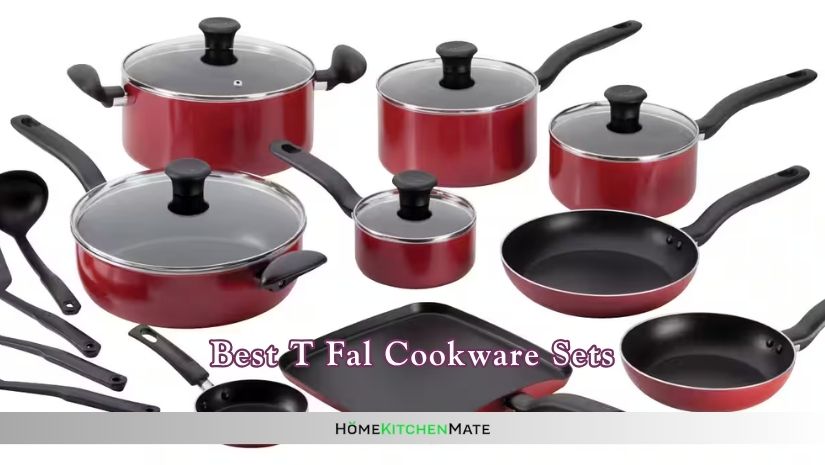
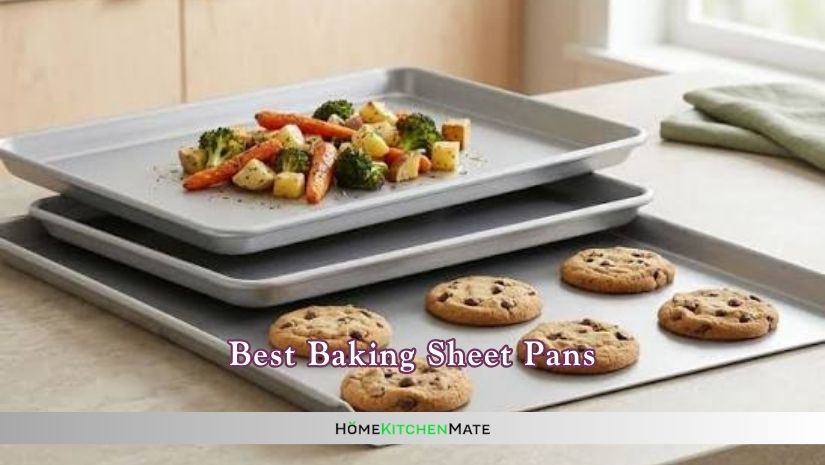
Metal pans heat up quickly and provide even cooking. They come in various types like aluminum, stainless steel, and cast iron. Metal pans are great for roasting, baking, and broiling. Their sturdy build resists warping and can handle high temperatures. Non-stick coatings on some pans make cleanup simple.
Ceramic Dishes
Ceramic dishes offer excellent heat retention and slow cooling. They add a rustic look to the kitchen and work well for casseroles and baked desserts. Ceramic is safe for oven use and retains moisture in food. Avoid sudden temperature changes to prevent cracking. Many ceramic dishes are dishwasher safe.
Silicone Molds
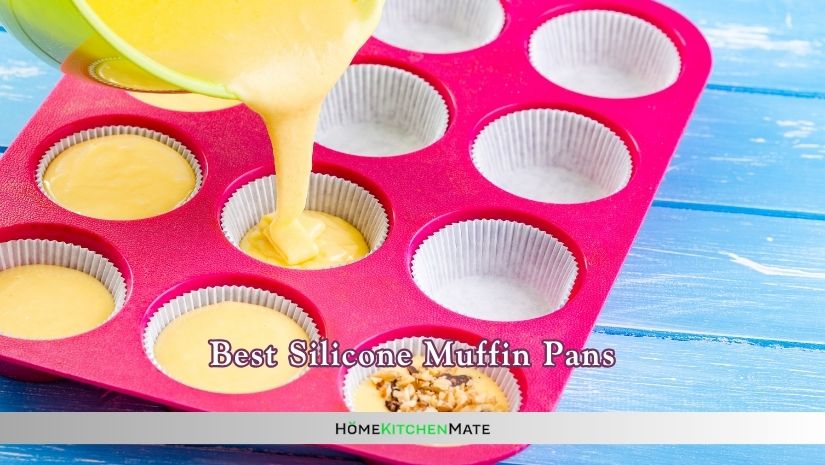
Silicone molds are flexible and non-stick, perfect for baking cupcakes and muffins. They can withstand oven temperatures up to about 450°F (232°C). Silicone is lightweight and easy to store. It does not conduct heat like metal, so food may cook slower. Cleaning silicone molds is quick and effortless.
Frequently Asked Questions
Can All Types Of Glass Go In The Oven?
Not all glass is oven-safe. Only tempered or borosilicate glass can handle oven heat safely.
What Temperature Is Safe For Glass In The Oven?
Most oven-safe glass can handle temperatures up to 450°F (232°C) without breaking.
Can Regular Glass Bakeware Crack In The Oven?
Yes, regular glass may crack or shatter due to sudden heat changes or high temperatures.
How To Know If Glass Is Oven-safe?
Look for labels like “oven-safe” or check the manufacturer’s instructions for heat limits.
Can You Put Glass Lids In The Oven?
Only use glass lids labeled oven-safe. Otherwise, they may crack or break from heat.
What Happens If Glass Breaks In The Oven?
Broken glass can cause injury and damage. Always remove broken pieces carefully and avoid using unsafe glass.
Conclusion
Glass can be safe to use in the oven if it is ovenproof. Regular glass may crack or break from heat. Always check for a label that says “oven safe. ” Avoid sudden temperature changes to keep glass intact. Using the right glassware helps cook food evenly and safely.
Remember, safety comes first in the kitchen. Choose proper glass containers to protect yourself and your food. Oven-safe glass is a smart choice for baking and cooking. Stay careful and enjoy your meals without worry.

Rachel Bennett is a passionate home cook, kitchen enthusiast, and the voice behind Home Kitchen Mate. With years of hands-on experience experimenting in the kitchen, she blends creativity and practicality to make cooking easier and more enjoyable for everyone.