Have you ever wondered if your silicone baking molds or utensils are safe to use in the oven? You’re not alone.
Many people hesitate to put silicone items in the oven because they’re unsure if they can handle the heat or if they’ll release harmful chemicals. The good news is, silicone is widely known for its heat resistance, but there are important details you need to know before you trust your favorite silicone tools with your baking.
Keep reading to discover the truth about silicone in the oven and how to use it safely for your cooking needs.
Silicone Bakeware Basics
Silicone bakeware has become a popular choice in many kitchens, but understanding its basics helps you use it safely and effectively. Knowing what silicone is made of and how it reacts to heat can save your bakeware and your food. Let’s break down the essential facts about silicone bakeware so you can bake with confidence.
Material Properties
Silicone is a synthetic rubber made from silicon, oxygen, carbon, and hydrogen. This unique combination gives it flexibility, non-stick qualities, and durability. Unlike metal or glass, silicone doesn’t conduct heat but instead resists it, which means your baked goods cook evenly without sticking to the surface.
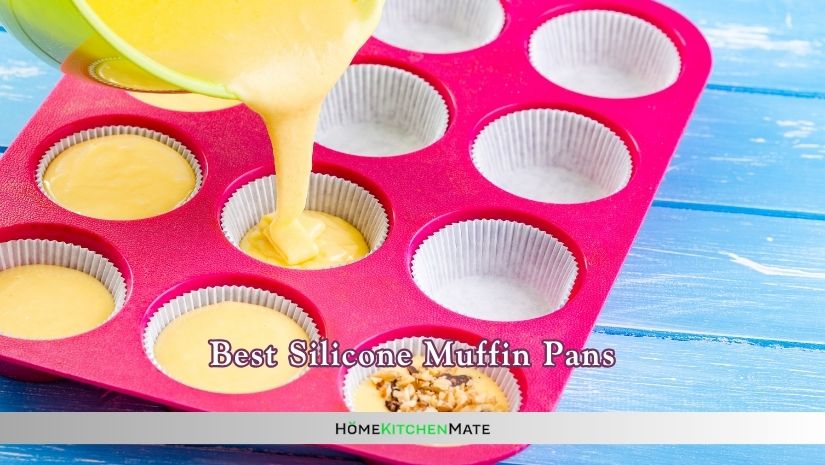
One thing I noticed when I first used silicone molds was how easy it was to pop out muffins without greasing the pans. This property can reduce your use of oils or sprays, making your baking a bit healthier and cleanup much faster.
Heat Resistance Limits
Silicone bakeware can generally withstand temperatures from -40°F to about 450°F (or -40°C to 232°C). This wide range makes it safe for oven use, as well as freezing and microwaving. However, pushing it beyond these limits can cause damage, like melting or warping.
Have you ever tried baking at very high temperatures? It’s important to check your silicone’s heat rating before throwing it in the oven. Overheating not only ruins your bakeware but can also affect your food’s taste and texture.
Safe Oven Use Tips
Using silicone cookware in the oven can be a game-changer for your baking and cooking routines. However, ensuring safety is key to getting the best results without damaging your tools or food. These tips will help you handle silicone safely and confidently in the oven.
Temperature Guidelines
Silicone is heat-resistant, but every product has its limits. Most silicone bakeware is safe up to about 428°F (220°C). Exceeding this temperature can cause the silicone to degrade or emit unpleasant odors.
Check the manufacturer’s instructions for your specific silicone item. If you’re unsure, keeping the oven temperature below 400°F (204°C) is a safer bet. Have you ever noticed a strange smell when baking? That often means the silicone is overheating.
Avoiding Common Mistakes
One common mistake is placing silicone directly on an open flame or heating element. This can damage the silicone and create a fire hazard. Always place your silicone bakeware on a baking sheet or oven rack.
Another tip: don’t use sharp utensils on silicone surfaces. They can create tears or holes that reduce durability. Also, avoid sudden temperature changes, like moving silicone from the freezer directly into a hot oven. This can cause cracking or warping.
Have you ever tried to clean silicone with harsh chemicals? Stick to mild soap and warm water instead. These simple precautions extend the life of your silicone and keep your kitchen safe.
Cleaning And Maintenance
Keeping your silicone bakeware clean and well-maintained ensures it lasts longer and performs better every time you use it. Silicone is durable, but it can still trap odors or stains if not cared for properly. How you wash and store your silicone items can make a big difference in their lifespan and your cooking experience.
Proper Washing Techniques
Wash silicone immediately after use to prevent food residue from hardening. Use warm, soapy water and a soft sponge or cloth to clean the surface gently. Avoid abrasive scrubbers, which can damage the silicone’s texture and reduce its non-stick properties.
If your silicone has stubborn stains or smells, soak it in a mixture of baking soda and warm water for about 30 minutes. This simple trick helps lift odors and discoloration without harsh chemicals. Rinse thoroughly and let it air dry completely before storing.
Storage Recommendations
Store your silicone items flat or loosely rolled to prevent creases or permanent folds. Avoid placing heavy objects on top of silicone bakeware, as it can lose shape over time. Keep silicone away from sharp utensils or surfaces that might puncture or tear it.
Consider using a dedicated drawer or container for your silicone kitchen tools to keep them clean and organized. Do you notice a difference in how your silicone performs when you take care of it properly? Treating your silicone right can save you money and hassle in the long run.
Frequently Asked Questions
Can Silicone Bakeware Go In A Preheated Oven?
Yes, silicone bakeware is safe for use in preheated ovens up to its temperature limit.
What Is The Maximum Oven Temperature For Silicone?
Most silicone bakeware can safely withstand temperatures up to 428°F (220°C).
Does Silicone Release Harmful Chemicals In The Oven?
No, high-quality silicone does not release harmful chemicals when used properly.
How Long Can Silicone Stay In The Oven Safely?
Silicone can stay in the oven as long as the recipe requires, within temperature limits.
Can Silicone Bakeware Handle Broiling Or Direct Heat?
Silicone is not suitable for broiling or direct flame exposure; it may melt or burn.
Is It Safe To Use Silicone Molds For Baking Bread?
Yes, silicone molds are safe and effective for baking bread in the oven.
Conclusion
Silicone bakeware can safely go in the oven most of the time. Always check the product label for temperature limits. Avoid using silicone near open flames or broilers. Silicone heats evenly and cleans up easily after baking. It offers flexibility and durability for your cooking needs.
Keep your silicone tools away from sharp objects to prevent damage. With proper care, silicone makes baking simple and safe. Try it out and enjoy stress-free cooking every time.

Rachel Bennett is a passionate home cook, kitchen enthusiast, and the voice behind Home Kitchen Mate. With years of hands-on experience experimenting in the kitchen, she blends creativity and practicality to make cooking easier and more enjoyable for everyone.