
Are you planning to move your refrigerator but wondering if you can lay it on its side? This question might seem simple, but the answer can save you from costly damage and headaches.
Moving a fridge incorrectly can lead to broken parts or a machine that won’t cool properly. You want to protect your investment and keep your fridge working smoothly. Keep reading to discover the truth about moving your refrigerator on its side and learn the best way to do it safely.
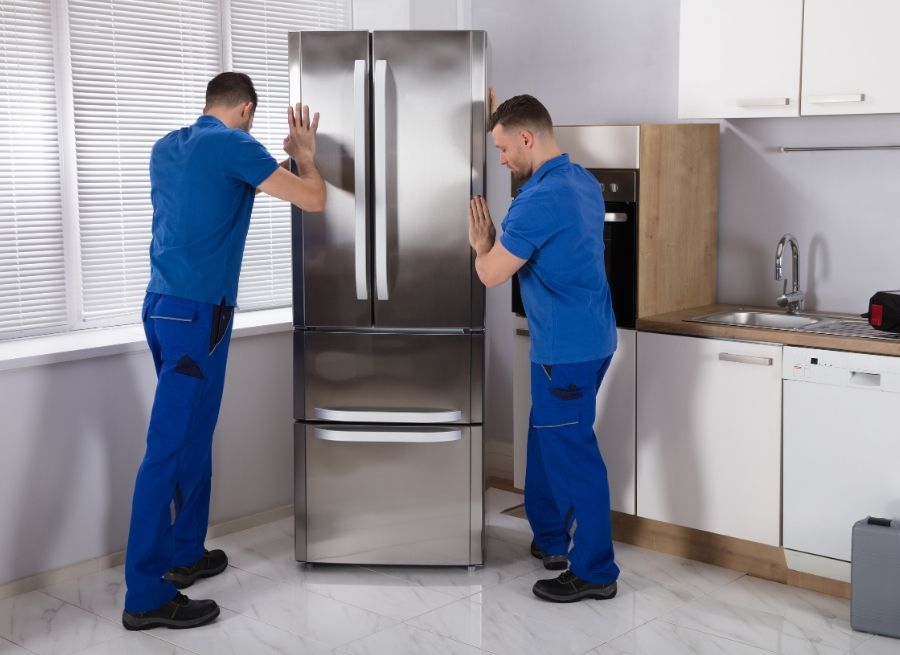
Risks Of Laying A Refrigerator On Its Side
Laying a refrigerator on its side might seem like a convenient way to move it through narrow doorways or tight spaces. However, this practice carries several risks that could damage your appliance or shorten its lifespan. Understanding these risks helps you decide the best way to handle your fridge without costly repairs.
Compressor Oil Leakage
The compressor contains oil that lubricates its moving parts. When a refrigerator is laid on its side, this oil can flow out of the compressor and into the cooling lines. This disrupts the refrigeration process and can cause the compressor to fail.
Have you ever tried starting a fridge after moving it on its side, only to find it doesn’t cool properly? This oil leakage is often the culprit behind that issue.
Damage To Cooling Lines
The cooling lines carry refrigerant throughout the fridge to maintain a cold temperature. Laying the fridge sideways can cause these lines to bend or crack. Even a small crack may lead to refrigerant leaks, which are expensive and complicated to repair.
Longer Wait Time Before Restarting
After moving your refrigerator on its side, you must wait several hours before plugging it back in. This waiting period allows the oil to settle back into the compressor where it belongs. Ignoring this step can cause the compressor to seize up, leading to costly damage.
Potential Internal Component Shifts
Inside your fridge, parts like shelves, drawers, and wiring can shift or become dislodged when the unit is on its side. This may cause rattling noises or malfunctioning components once the fridge is upright again.
Risk Of Electrical Damage
Moisture can enter electrical components during sideways transport, especially if the fridge is not properly sealed. This increases the risk of shorts or failures when you power the fridge back on.
Preparing Your Fridge For Side Transport
Preparing your fridge for side transport is crucial to avoid damage. A refrigerator contains delicate parts and fluids that can shift or leak. Taking proper steps before moving helps keep the appliance safe and working properly. Follow these simple guidelines to get your fridge ready for the trip.
Empty And Defrost The Fridge
Remove all food and shelves from inside the fridge. Defrost the freezer completely to avoid water leaks. Use towels to soak up any melted ice. This prevents spills during transport and reduces weight.
Secure The Doors
Close the fridge and freezer doors tightly. Use strong tape or straps to keep them shut. This stops the doors from opening while moving. It also protects the seals from damage.
Disconnect And Drain Water Lines
If your fridge has a water dispenser or ice maker, disconnect the water line. Drain any remaining water to prevent leaks. Keep the water line loose but secure to avoid damage.
Protect The Exterior
Wrap the fridge with moving blankets or thick towels. Use padding on corners and edges to prevent dents. Secure the wrapping with tape or straps for extra protection.
Let The Fridge Sit Upright After Transport
Once moved, place the fridge upright and wait before plugging it in. This allows fluids and oils to settle back inside. Wait at least 4 hours for safe operation.
Step-by-step Moving Tips From Experts
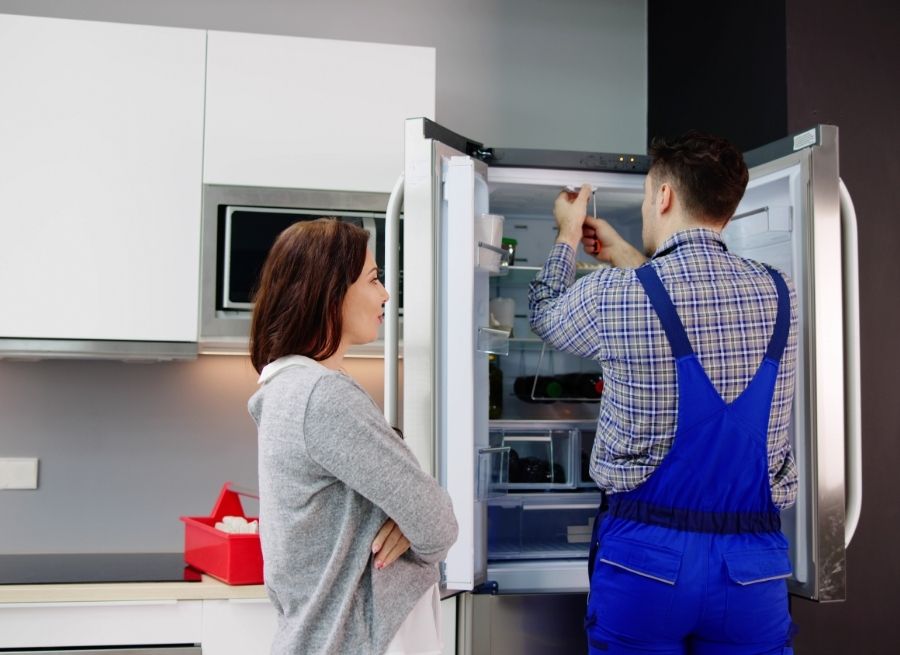
Moving a refrigerator requires care and planning. Experts share simple steps to keep your appliance safe during the move. These tips help avoid damage and ensure your fridge works well afterward. Follow these expert tips for a smooth move.
Prepare The Refrigerator Before Moving
- Unplug the fridge at least 24 hours before moving.
- Empty all food and shelves to reduce weight.
- Secure doors with tape or straps to prevent opening.
- Defrost and dry the freezer to avoid leaks.
Choose The Right Position For Transport
- Keep the fridge upright if possible.
- If laying on its side, place the fridge on the correct side as per the manufacturer.
- Use blankets or padding to protect the surface.
- Secure the fridge tightly in the moving vehicle to prevent shifting.
Handle The Fridge Carefully During The Move
- Use a dolly or hand truck for easier lifting.
- Lift with help to avoid injury or damage.
- Avoid sudden movements or drops while carrying the fridge.
- Keep the fridge steady and balanced on ramps and stairs.
After Moving, Let The Refrigerator Settle
- Leave the fridge upright for at least 2-4 hours before plugging in.
- This allows the oils and fluids to settle inside the compressor.
- Check for any damages or leaks before use.
- Plug in and monitor the fridge for proper cooling.
Frequently Asked Questions
Can A Refrigerator Be Moved On Its Side Safely?
Moving a refrigerator on its side can cause oil to leak inside. This may harm the compressor.
How Long Should A Refrigerator Rest After Being On Its Side?
Let the refrigerator stand upright for at least 24 hours before plugging it in.
What Happens If You Plug In A Fridge Right After Laying It Down?
Plugging in too soon can damage the compressor due to oil not settling back properly.
Is It Better To Move A Fridge Upright Or On Its Side?
Moving a fridge upright is safer and reduces the risk of internal damage.
Can Tilting A Refrigerator Affect Its Cooling Performance?
Yes, tilting can cause oil and coolant to shift, lowering cooling efficiency.
What Precautions Should I Take When Moving A Fridge On Its Side?
Secure doors, protect the surface, and allow resting time before use.
Conclusion
Moving a refrigerator on its side can cause damage. Oil inside the compressor may flow incorrectly. This can lead to poor cooling or complete failure. Always try to keep the fridge upright during moves. If you must lay it down, wait several hours before plugging it in.
This lets the oil settle back properly. Taking these steps helps protect your fridge and keeps it working well. A careful move saves time and money. Remember, safety and patience go a long way with appliances.

Rachel Bennett is a passionate home cook, kitchen enthusiast, and the voice behind Home Kitchen Mate. With years of hands-on experience experimenting in the kitchen, she blends creativity and practicality to make cooking easier and more enjoyable for everyone.