Choosing the right mixer can change the way you cook and bake every day. You might be wondering: should you go for a hand mixer or a stand mixer?
Each has its own benefits, but which one fits your kitchen and lifestyle best? By the end of this article, you’ll know exactly which mixer will make your cooking easier, faster, and more enjoyable. Ready to find your perfect kitchen companion?
Let’s dive in.
Key Features Of Hand Mixers
Hand mixers are popular kitchen tools. They help mix ingredients quickly and easily. Many home cooks choose hand mixers for their simple design and convenience.
Understanding key features of hand mixers helps make the right choice. These features affect how well the mixer works and fits your needs.
Portability And Storage
Hand mixers are small and light. You can carry them easily from one place to another. They do not take much space in your kitchen. Most models fit well in drawers or small cabinets. This makes them ideal for kitchens with limited space.
Power And Speed Settings
Hand mixers come with different power levels. Higher power means faster mixing of thick or heavy doughs. Speed settings allow control over mixing speed. You can choose slow speed for delicate tasks and high speed for quick mixing. This flexibility helps with many recipes.
Attachments And Accessories
Common attachments include beaters and dough hooks. Some models have extra tools like whisks. These attachments increase the mixer’s usefulness. You can use one mixer for cakes, bread, or whipping cream. Easy to change attachments add to convenience.
Ease Of Use And Cleaning
Hand mixers are simple to operate. Usually, one hand controls the speed while the other holds the bowl. Most parts are dishwasher safe. This makes cleaning fast and easy. Lightweight design reduces hand fatigue during use.
Key Features Of Stand Mixers
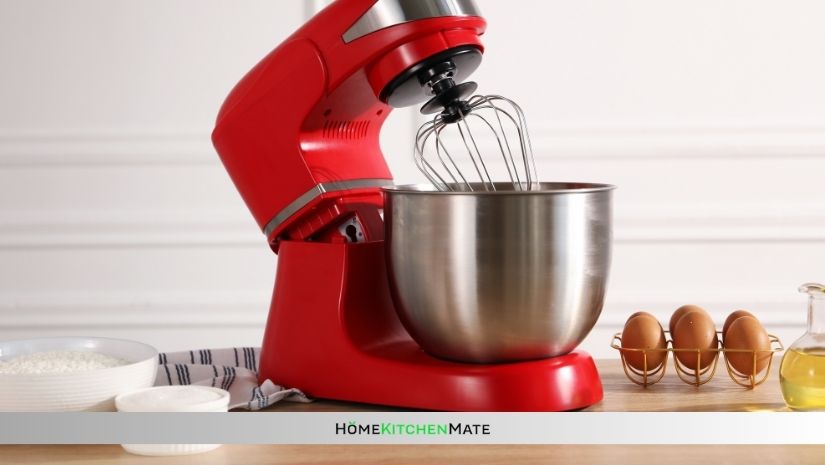
Stand mixers are powerful kitchen tools that help with many cooking tasks. They save time and effort by mixing ingredients quickly and evenly. Knowing the key features of stand mixers helps in choosing the right one for your kitchen needs.
Power And Motor Capacity
Stand mixers come with strong motors. The motor power ranges from 250 watts to over 1000 watts. Higher power means the mixer can handle thick dough or large batches. A strong motor runs smoothly without overheating. It ensures consistent mixing results every time.
Attachment Options
Many stand mixers include several attachments. Common ones are beaters, dough hooks, and whisks. Some models offer extra tools like pasta makers or meat grinders. Attachments increase the mixer’s versatility. They help prepare different recipes with one device.
Durability And Build Quality
Stand mixers are built to last. Most have metal bodies that resist wear and tear. Quality materials ensure stability during use. A sturdy mixer stays firm on the counter. Good build quality means fewer repairs and longer life.
Counter Space And Storage
Stand mixers are larger than hand mixers. They take up more counter space. Some models have compact designs to save room. Consider your kitchen size before buying. Storage options vary; some mixers come with covers or cases.
Performance Comparison
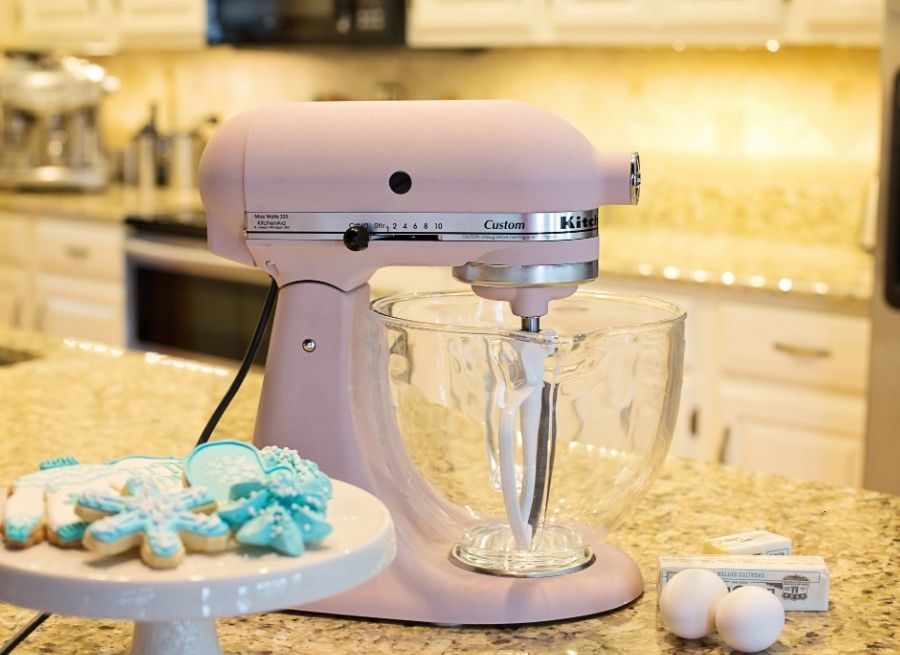
Choosing between a hand mixer and a stand mixer means comparing their performance. Each type offers unique strengths in the kitchen. Understanding these can help you pick the right one.
Mixing Capabilities
Stand mixers handle heavy doughs and large batches with ease. They are perfect for kneading bread or mixing thick batters. Hand mixers work best for lighter tasks like whipping cream or beating eggs. They struggle with dense mixtures but shine in quick jobs.
Handling Different Ingredients
Stand mixers manage a variety of ingredients without overheating or slowing down. They come with attachments for different tasks like whisking or dough hooks. Hand mixers can switch beaters but lack the power for tough ingredients. They are better suited for simple recipes with fewer components.
Speed And Efficiency
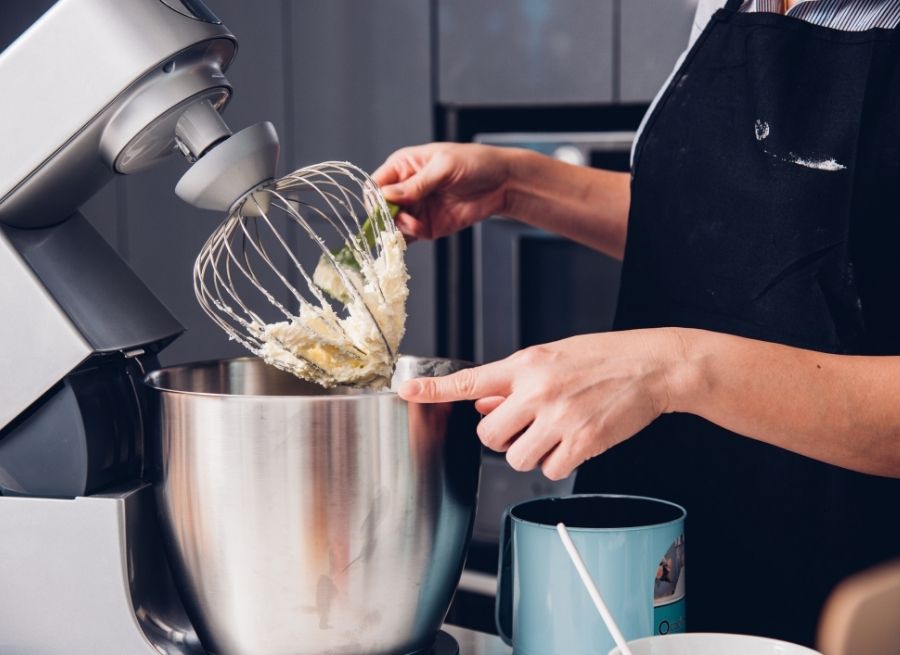
Stand mixers offer consistent speed and reduce manual effort. They mix ingredients evenly and save time. Hand mixers are lightweight and quick for small tasks but require more attention. They may take longer with complicated recipes and larger portions.
Cost And Budget Considerations
Choosing between a hand mixer and a stand mixer often depends on your budget. Understanding the costs involved helps you make the right choice. This section covers initial prices, long-term value, and maintenance costs.
Initial Purchase Price
Hand mixers usually cost less. You can find good models under $50. Stand mixers are more expensive. Prices start around $150 and can go up to $500 or more. The price depends on brand, power, and features. If you need a mixer for simple tasks, a hand mixer fits well. For frequent baking or heavy mixing, a stand mixer may be worth the higher price.
Long-term Value
Stand mixers offer more power and versatility. They can handle thick dough and large batches easily. This makes them valuable for regular bakers. Hand mixers are lighter and less powerful. They work best for small tasks like whipping cream or beating eggs. Think about how often and what you will mix. A stand mixer can last many years if cared for. A hand mixer may wear out faster with heavy use.
Maintenance And Repairs
Hand mixers have fewer parts and are easier to clean. Repairs are rare and usually cheap. Stand mixers need more care. They have many moving parts. Repairs can be costly if something breaks. Regular cleaning and proper use help avoid problems. Consider the time and money you want to spend on maintenance. This can affect your budget over time.
User Experience And Convenience
User experience and convenience play a big role in choosing between a hand mixer and a stand mixer. These tools help with baking and cooking tasks, but their ease of use differs. Comfort, setup, and cleanup impact how often you use them. Noise and versatility also affect your daily kitchen routine. Here is a breakdown to help you understand what fits your needs best.
Setup And Cleanup
Hand mixers are simple to set up. Just plug in and start mixing. They are lightweight and easy to hold. Cleanup is fast because they have fewer parts. Most beaters are dishwasher safe.
Stand mixers need more space and time to set up. Attachments must be fixed before use. Cleanup takes longer because parts are bigger. Bowls and beaters often require hand washing.
Noise Levels
Hand mixers produce moderate noise. They are louder at high speeds but usually manageable. Noise can disturb others if you mix early or late.
Stand mixers are generally quieter. Their motors are more powerful but insulated. This makes them better for long mixing jobs without much noise.
Versatility In Recipes
Hand mixers work well for light to medium tasks. Whipping cream, beating eggs, and mixing batter are easy. They struggle with heavy doughs or large batches.
Stand mixers handle a wide range of recipes. They can knead dough, whip, and mix thick batters. Many models offer extra attachments for pasta or grinding meat.
Best Uses For Hand Mixers
Hand mixers are great for many kitchen tasks. They are light, easy to use, and quick to clean. Small kitchens benefit from their compact size. Here are some of the best uses for hand mixers.
Simple Baking Tasks
Hand mixers handle simple baking well. They mix cake batter, cookie dough, and pancake mix smoothly. You can whip cream or beat eggs without trouble. These tasks do not need heavy power or big bowls.
Small Batch Cooking
For small batch recipes, hand mixers save time and space. They work well with small bowls and less food. You don’t need a large stand mixer for small amounts. This makes them perfect for quick meals or snacks.
Quick Mixes
Hand mixers are ideal for fast mixing jobs. They help blend sauces, dressings, and dips quickly. You can mix ingredients right in the cooking pot or bowl. This saves washing extra dishes and speeds up prep time.
Best Uses For Stand Mixers
Stand mixers are powerful kitchen tools designed for more than basic mixing. They handle tough tasks with ease and save time. Their stability and strength make them ideal for specific cooking needs.
These mixers are perfect for those who bake often or prepare large meals. They also support advanced cooking techniques that hand mixers cannot manage well.
Heavy-duty Baking
Stand mixers easily knead thick doughs like bread and pizza. They mix heavy batters without stopping or overheating. This makes baking large or dense items simpler and less tiring.
Large Batches
The large bowls of stand mixers hold more ingredients. This helps prepare big recipes in one go. Bakers and cooks save time by mixing all at once instead of in parts.
Advanced Cooking Techniques
Stand mixers come with attachments for many tasks. You can whip cream, grind meat, or make pasta. They allow cooks to try complex recipes with less effort.
Making The Right Choice
Choosing between a hand mixer and a stand mixer depends on several factors. Each type has its own benefits and suits different cooking styles. Understanding your kitchen needs helps you pick the right tool. This section guides you through key points to consider before buying.
Assessing Your Kitchen Needs
Think about the recipes you often prepare. A hand mixer works well for light tasks like whipping cream or mixing batter. Stand mixers handle heavy doughs and large batches better. Consider the level of mixing power you require daily. Your cooking habits will decide which mixer fits best.
Space And Storage Factors
Kitchen space matters. Hand mixers are small and easy to store in drawers or cabinets. Stand mixers are bulky and need a dedicated spot on the counter. Evaluate your kitchen size and storage options. Choose a mixer that will not clutter your workspace.
Budget And Frequency Of Use
Hand mixers usually cost less and suit occasional use. Stand mixers are pricier but built for frequent, heavy-duty mixing. Consider how often you bake or cook. Match your budget with how much you will use the mixer. This ensures a smart purchase that lasts.
Frequently Asked Questions
What Are The Main Differences Between Hand And Stand Mixers?
Hand mixers are lightweight and portable, ideal for quick mixing. Stand mixers are powerful, with hands-free operation, suited for heavy-duty tasks and large batches.
Which Mixer Is Better For Baking Beginners?
Hand mixers are simpler and easier for beginners. They offer control and versatility for common baking tasks without taking up much space.
Can A Stand Mixer Replace A Hand Mixer Completely?
Yes, a stand mixer can handle most tasks a hand mixer does. However, hand mixers are more convenient for small, quick jobs.
How Does Price Compare Between Hand And Stand Mixers?
Hand mixers are generally more affordable, ranging from $20 to $60. Stand mixers tend to be pricier, often between $150 and $500.
Conclusion
Choosing between a hand mixer and a stand mixer depends on your needs. Hand mixers are small, light, and easy to store. They work well for simple tasks and quick mixing. Stand mixers are bigger and stronger. They handle thick doughs and large batches better.
They also free up your hands while mixing. Think about your kitchen space and how often you bake. Both tools can help create tasty treats. Pick the one that fits your cooking style and budget best. Simple and smart choices make cooking more fun.

Rachel Bennett is a passionate home cook, kitchen enthusiast, and the voice behind Home Kitchen Mate. With years of hands-on experience experimenting in the kitchen, she blends creativity and practicality to make cooking easier and more enjoyable for everyone.